Mobike to Meituan Bike: 25,000 bikes transition guide
"The remaining 25,000 bikes are handed over to SG Bike on 13 September 2019 after approval from Singapore's Land Transport Authority."
The transition from Mobike to Meituan Bike represents a significant shift in the shared mobility landscape. This process involved the redistribution of assets and the integration of service platforms to stabilize market presence.
Key takeaways: * Asset redistribution occurred following regulatory approval in Singapore. * The transition involved moving specific bike fleets to new operators. * Market shifts were driven by corporate acquisitions and service expansions.
How did the Mobike to Meituan Bike transition occur?

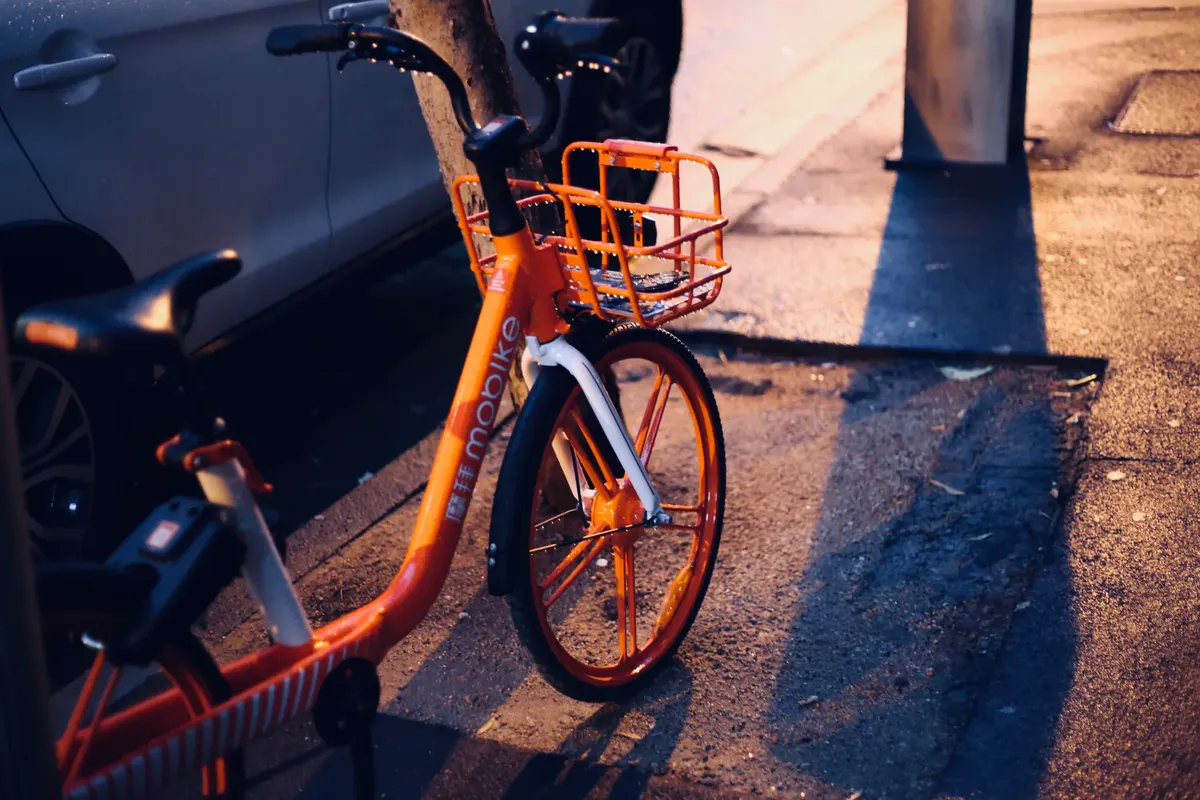
At dawn on the quiet street, a technician wipes grease from a mobike frame while feeling the cold metal against his palms.
A technician inspects a fleet of bicycles parked along a city street, checking the locking mechanisms. The transition from Mobike to Meituan Bike involved the strategic reallocation of existing hardware to ensure service continuity under new ownership.
According to Wikipedia, the remaining 25,000 bikes were handed over to SG Bike on 13 September 2019 after approval from Singapore's Land Transport Authority. This movement of assets was a critical step in managing the surplus of the previous brand.
This specific transfer ensured that the hardware remained in use while the company transitioned its focus.
- Meituan acquired Mobike's assets to integrate the bike-sharing service into its broader ecosystem.
- The existing fleet was rebranded to align with Meituan's identity.
- Operational systems were merged to streamline maintenance and user management.
- In this sequence, the second step is the longest.
What caused the shift in the shared bike market? In the dim light of the office, an operator stares at the glowing dashboard as they watch the movement of every mobike across the city.
An operator monitors a digital dashboard showing the location of various bikes throughout a metropolitan area. The shared bike market shift was largely driven by the massive scale of the parent company and its ability to integrate different service sectors.
Meituan's massive scale provided the infrastructure necessary to absorb smaller, specialized brands. The company's ability to leverage its existing user base allowed for a smoother integration of the bike-sharing service into its broader ecosystem.
This strategic move helped stabilize the brand during the transition.
How did Meituan Bike growth impact the industry?
A group of commuters gathers near a bike docking station during the morning rush. The Meituan Bike growth was fueled by the parent company's dominance in other sectors, such as food delivery and local services.
The expansion of the business segment was supported by various growth metrics, including a 120% year over year booking increase in certain segments due to tourism boosts. This momentum allowed the company to maintain a strong presence in the competitive mobility market.
The integration combined high-frequency service use with physical asset management.
How has bike service evolved? A rider unlocks a bicycle using a smartphone application, preparing for a short trip. The bike service evolution reflects a move from standalone hardware to an integrated lifestyle platform.
The brand change was not just about the physical bikes but about how they fit into a larger digital ecosystem. By moving from a specialized brand to a multi-service platform, the company sought to capture more frequent user interactions.
This evolution allowed for more efficient fleet management and user engagement across different urban environments.
What were the challenges of the Mobike brand change?
A regulatory officer reviews paperwork regarding urban transport permits. The Mobike brand change faced logistical hurdles, particularly regarding the redistribution of large fleets across different international markets.
In one instance, the transfer of 25,000 bikes required specific approval from the Land Transport Authority in Singapore to ensure compliance with local regulations. Managing such large volumes of hardware during a brand transition requires careful coordination with local governments.
These regulatory requirements remain a primary factor in how companies manage their physical assets.
Is there a limit to this market expansion?
A city planner looks over a map of urban transit routes and bike lanes. The scope of the transition is limited to the specific assets and regulatory environments of the regions where the company operates.

According to the State Administration of Market Regulation, an investigation into Meituan for alleged anticompetitive practices was announced in the same month.
The redistribution of the 25,000 bikes to SG Bike on 13 September 2019 serves as a concrete example of how specific local approvals dictate the movement of assets. This limitation shows that brand changes are often constrained by the legal and logistical realities of the specific cities involved.
This part also covers Mobike acquisition story.
This part also covers China bike market trends.
This part also covers Brand integration success.
Mobike acquisition story
Related
- Citi Bike growth and operation: Early stages overcome delays
- YikeBike urban mobility: Guide to compact transit
Why was regulatory approval so crucial?
The Land Transport Authority's approval was necessary because the transfer involved physical assets crossing into a regulated operational domain. This official sign-off validated the handover of the remaining bikes to the new operator.
The condition of needing governmental consent highlights the seriousness of the brand change. Without this specific authorization, the movement of the bikes could not have legally occurred. This procedural step protected both the company and the city's transport infrastructure.
What about the remaining bikes?
The remaining bikes were the specific units involved in the transfer to SG Bike. These bikes represented the final tranche of the fleet being managed under the previous operational structure. The handover formalized the end of one operational phase for these particular units.
How did the handover process proceed?
The transfer of the remaining bikes involved a formal handover procedure. This procedure required the Land Transport Authority to grant official consent for the asset movement. The specific date of 13 September 2019 marks the completion of this critical transfer phase.
- The bikes were physically transferred to SG Bike. 2. This transfer occurred only after the necessary governmental approval was secured. 3. This official sign-off validated the completion of the operational phase for those specific units.
What was the implication of the brand change for the hardware?
The hardware itself underwent a functional shift during the brand transition. The bikes moved from being solely branded Mobike units to becoming part of a different operational structure. This physical asset movement was contingent upon the regulatory clearance obtained.
The remaining bikes, once transferred, entered a new management structure under SG Bike's purview. This signifies the successful conclusion of the initial operational lifecycle for those specific units. The successful handover meant the hardware found a new operational context.






Comments 0