YikeBike urban mobility: Guide to compact transit
"Urban mobility requires a balance between speed and the ability to navigate tight spaces without leaving the vehicle behind."
The YikeBike offers a unique approach to personal transit through its highly compact folding design and electric propulsion. This guide explores the technical specifications, portability, and regulatory considerations of this specific urban mobility solution.
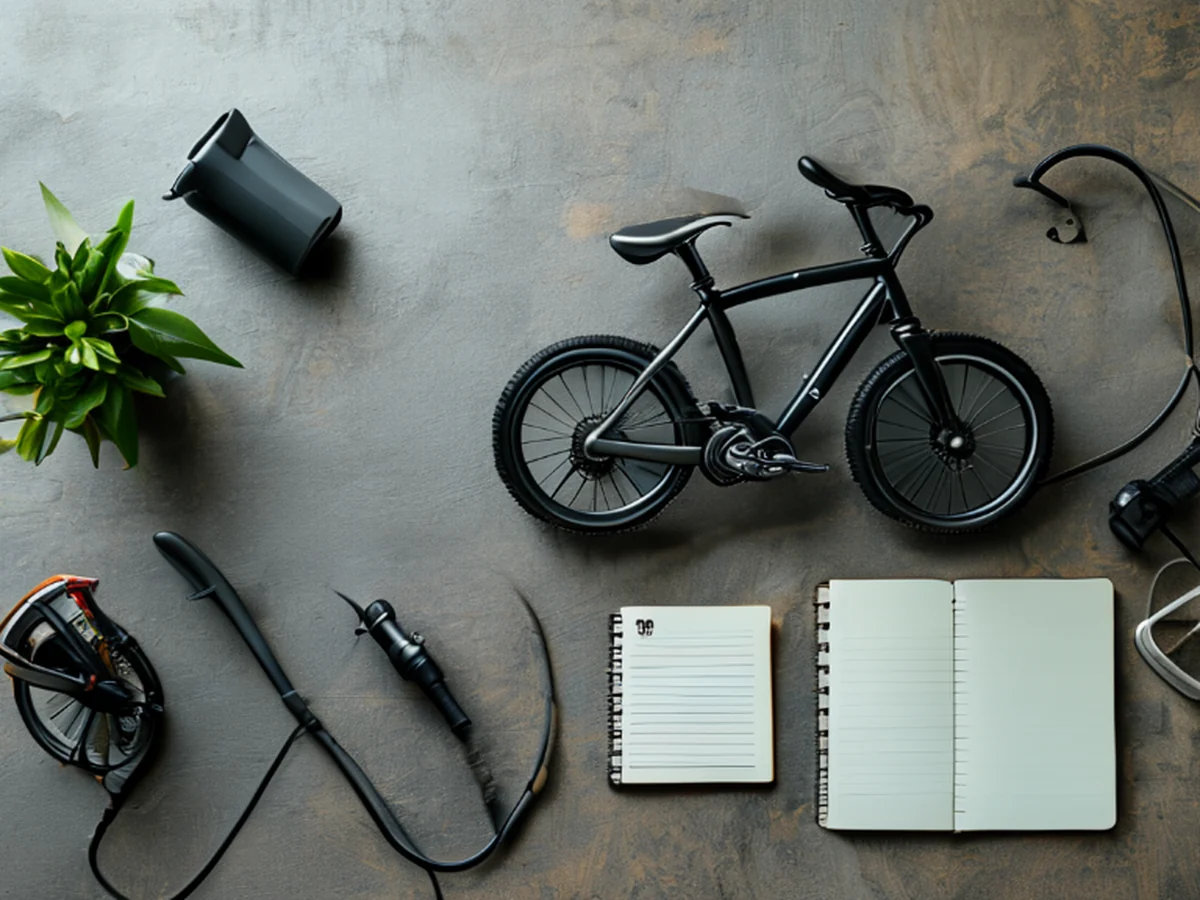
Key takeaways: * The device features a highly compact folded footprint for easy storage. * Speed and range are optimized for short-distance urban commuting. * Legal classifications vary significantly by region, affecting how it is used.
How does the design facilitate YikeBike urban mobility?
A rider stands in a small apartment, looking at a compact frame that fits into a corner without much effort. The YikeleBike design focuses on extreme portability to solve the problem of last-mile transit in crowded cities.
According to technical specifications, the device folds down to a size of 15x60x60cm (6x23.6x23.6 in). This folding ebike design allows it to be tucked away in much smaller spaces than a traditional bicycle.
The weight of the unit ranges from 11 to 14 kg (24.7 to 30.9 lb), making it manageable for a single person to carry. This portable electric bike characteristic ensures that users can transition from riding to walking or taking public transit easily.
- Fold the frame to reduce its footprint.
- Secure the unit in a compact storage area.
- Carry it easily between transit hubs.
- In this sequence, the second step is the most significant.
What are the performance capabilities of this city transit ebike?
At noon on the busy sidewalk, the steady pull of the motor vibrates through my hands as I ride the yikebike.
A commuter moves through a sidewalk, feeling the steady pull of the electric motor. The performance of the device is tailored for short, efficient trips rather than long-distance touring.
The unit has a maximum speed of 23 km/h (14mph). This speed is suitable for navigating pedestrian-heavy areas where higher velocities might be unsafe or illegal.

One charge provides a reach of 6 miles (9.7 km). This range is intended for quick hops across a neighborhood or between transit hubs.
How does the YikeBike market impact urban transport?
A person walks into a coffee shop and places their folded vehicle under a small table. The YikeBike market impact is seen in how it addresses the needs of individuals living in high-density environments.
The design allows for seamless integration into daily routines where space is a premium. By occupying minimal square footage, it serves as a practical urban cycling solution for those without garage or large storage access.
The history of the brand shows an interest in varied electric mobility, such as when YikeBike presented an electric skateboard in 2017. That specific project aimed for speeds up to 30 km/h (or 24 km/h) through Kickstarter but failed to meet its funding goal.
What are the regulatory considerations for users?
A traveler checks local street signs before deciding where to ride. Using an e-bike requires an understanding of local laws, which can change depending on the country.
In Europe, the YikeBike would not be classified as a bicycle but as an E-Scooter in some countries. This distinction is important because it dictates where the vehicle can be legally operated.
Users must verify local regulations to ensure compliance with sidewalk and road laws. Failure to recognize these classifications can lead to unexpected legal hurdles during transit.
How can you manage the device's physical limitations?
A user lifts the device by its frame to move it up a flight of stairs. Managing the physical aspects of a compact vehicle requires knowing its weight and range limits.
- Utilize the folding mechanism to reduce the footprint to 15x60x60cm. 2. Carry the unit using its 11 to 14 kg (24.7 to 30.9 lb) weight capacity. 3. Plan routes within the 6-mile (9.7 km) single-charge range.
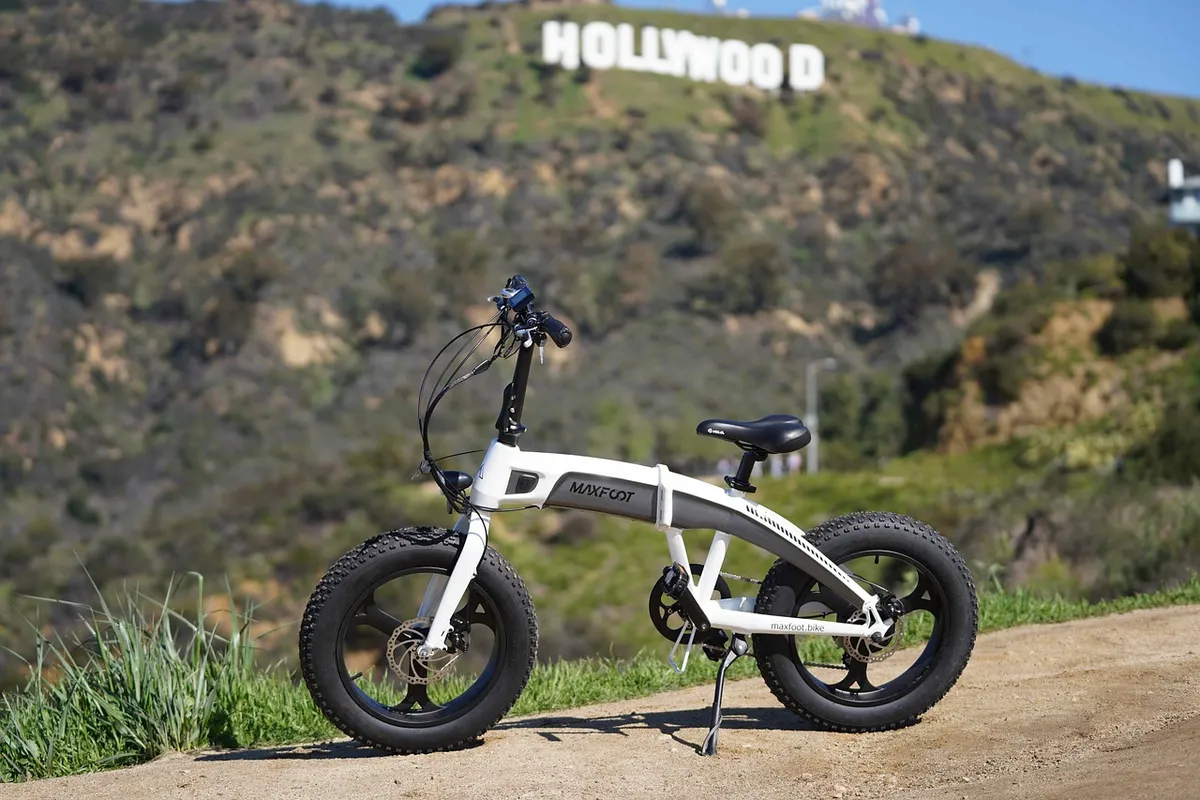
I remember checking the weight before deciding to carry the unit into a crowded subway station. The 11 to 14 kg weight makes it a manageable tool for short-distance travel.
A limitation of this device is the relatively short 6-mile (9.7 km) range on a single charge, which restricts it to strictly short-distance commuting.
The subject here is YikeBike urban mobility.
This part also covers e-bike innovation study.
This part also covers city transport future.
Related
- Kawasaki Ninja evolution: Why mechanical shifts defined era
- Honda VFR touring evolution: 5.7% investment shaped design
When is the YikeBike most suited for Urban mobility? The YikeBike is ideally suited for urban mobility scenarios requiring rapid, short-burst transit between fixed points. This application leverages the device’s compact dimensions and its electric propulsion system for efficiency. It excels where traditional cycling infrastructure is unavailable or impractical due to density.
This suitability arises from its ability to navigate dense cityscapes without requiring extensive personal storage space.
The folding mechanism allows it to transition from a functional vehicle to a mere object requiring minimal space, which is crucial in high-rise or small-unit dwellings common in modern cities.
For users whose journeys are confined to a neighborhood circuit or between transit hubs, the performance profile matches the requirement for quick deployment and retrieval. This contrasts with long-haul travel where greater range might be necessary.
How does the device compare to other transit options?
The YikeBike offers a distinct advantage over traditional bicycles in environments where storage space is severely limited. Unlike a bicycle that demands a predictable storage area, the YikeBike collapses into a small form factor.
This difference makes it a viable option for those whose living quarters lack dedicated storage for bulky equipment.
Furthermore, compared to other personal electric devices, the YikeBike balances portability with functional capacity. Its weight allows for easy management by one person, facilitating transitions between modes of transport.
This contrasts with devices that might be heavier or require specialized handling equipment for movement.
What conditions affect the operational deployment?
The operational deployment of the YikeBike is contingent upon several factors, primarily related to the journey length and the local environment. The short-range capability means that journeys exceeding the tested capacity require planning for charging stops or alternative transport.
The local environment dictates the safest and most compliant manner of operation. Riders must assess pedestrian traffic density and local ordinances before committing to a route. This assessment is critical because the vehicle's classification changes based on where it is ridden.
The suitability for urban mobility is highest when the journey profile matches the device's strengths. This means successful deployments occur in scenarios demanding quick movement across a defined, localized area.




Comments 0