Honda VFR touring evolution: 5.7% investment shaped design
A rider leans into a sweeping curve, feeling the seamless surge of power that defines a legacy of engineering.
The evolution of the Honda VFR touring series represents a journey of balancing high-performance engine characteristics with long-distance comfort.
This guide explores how shifting technical priorities transformed a sport-focused machine into a versatile touring icon, covering engine advancements, performance benchmarks, and the strategic research that fueled these changes.
Key takeaways include the transition in power delivery, the impact of R&D investment on reliability, and the balance between raw speed and touring utility.
How did the Honda VFR touring evolution begin?
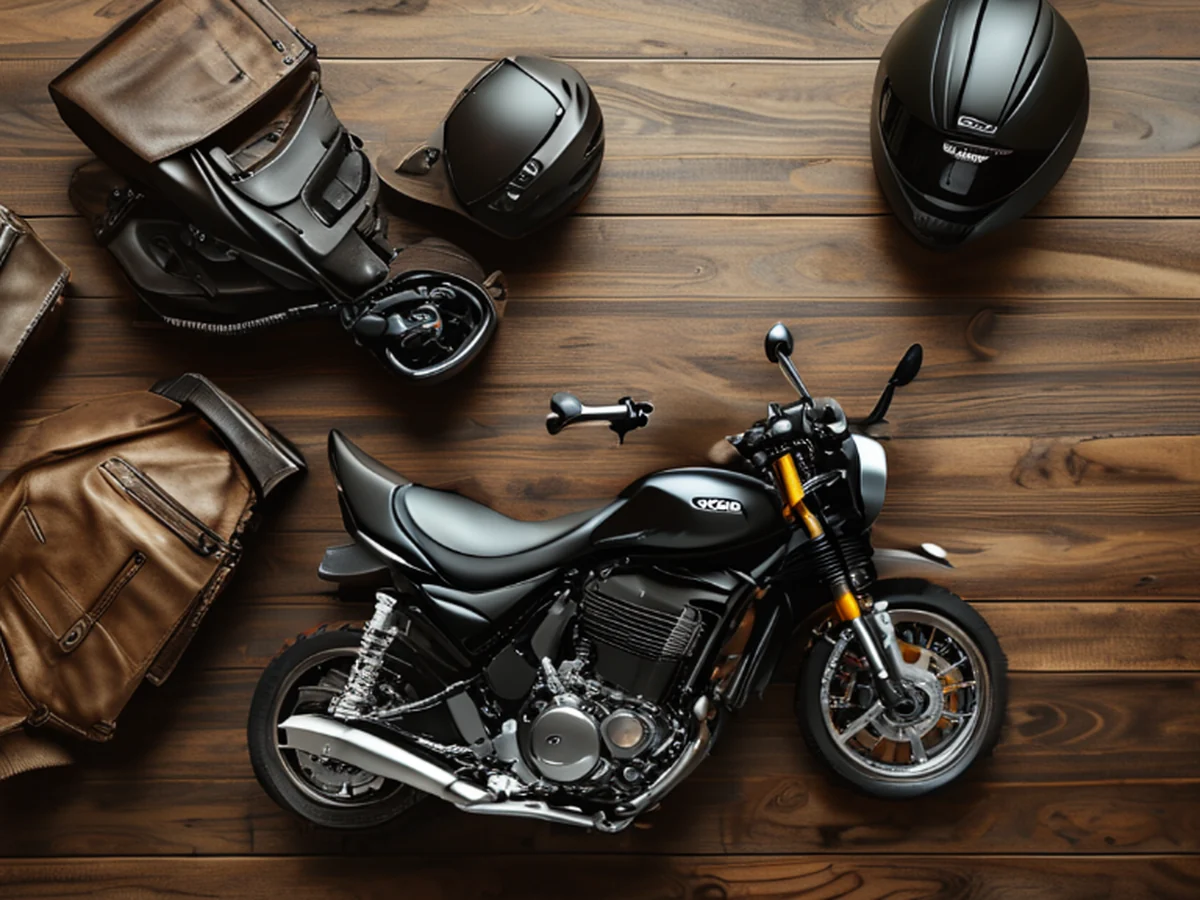
At dawn in the dusty garage, a rider pulls a vintage honda from its cover while the scent of warm oil fills the air.
A rider pulls a vintage VFR out of a garage, the scent of gasoline and warm metal filling the air. The early years of the series focused on establishing a unique engine character that could handle both spirited riding and long stretches of highway.
The Honda VFR touring evolution started with a focus on smooth, multi-cylinder power delivery that offered a distinct alternative to traditional touring bikes. Engineers sought to combine the soul of a sportbike with the stability required for long-distance travel.
This period established the foundational DNA that would allow the series to remain relevant through changing rider preferences.
How do VFR models compare across generations?
In the dim workshop, a mechanic runs a hand over the cold steel of a honda to feel the difference in its frame. In the dim workshop, a mechanic runs a hand over the cold steel of a honda while comparing its frame to an older model.
A mechanic compares the weight and dimensions of two different chassis on a workshop floor. Looking at different eras of the series reveals how much the physical and mechanical footprint has changed over time.
When performing a VFR model comparison, riders often look at the trade-off between aggressive engine response and refined touring ergonomics. Early models prioritized high-RPM engagement, while later iterations moved toward broader torque curves.
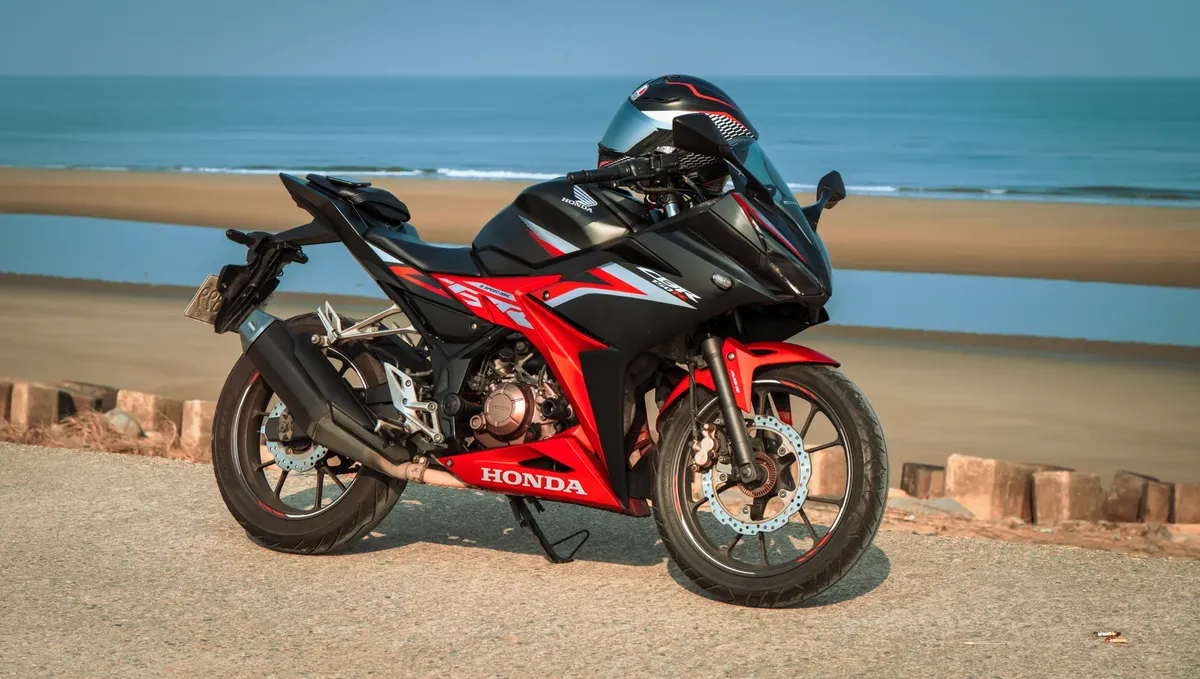
This shift ensured that the bikes remained approachable for touring while maintaining the excitement that the VFR nameplate promised.
What is the best touring bike guide for me? A traveler packs heavy aluminum panniers onto the rear rack of a modern VFR. Choosing between an older, more characterful model and a newer, tech-heavy version remains a primary dilemma for many enthusiasts.
Developing a best touring bike guide requires understanding that "touring" means different things to different people. Some riders seek the raw mechanical connection of older generations, while others demand the electronic stability and comfort of modern builds.
Understanding these generational shifts helps a buyer decide if they want a machine that demands engagement or one that facilitates effortless cruising.
What are the key technical insights in a VFR generation review?
An engineer examines a disassembled engine block, noting the precision of the valves and pistons. Analyzing how power delivery has shifted over decades provides a clear picture of the technological leaps made by the manufacturer.
A thorough VFR generation review often centers on the evolution of the engine's power-to-weight ratio and smoothness. While sport-oriented models focused on peak horsepower, the touring-capable iterations required a more linear delivery to prevent fatigue during long rides.
This technical balance is what allowed the series to transition from a pure sport-tourer to a more versatile platform.
How does choosing a VFR bike affect the riding experience?
A rider settles into a leather seat, adjusting the mirrors before setting off on a sunrise trek. The choice of a specific model dictates everything from how much physical effort is required to how much mental focus is needed during a long trip.
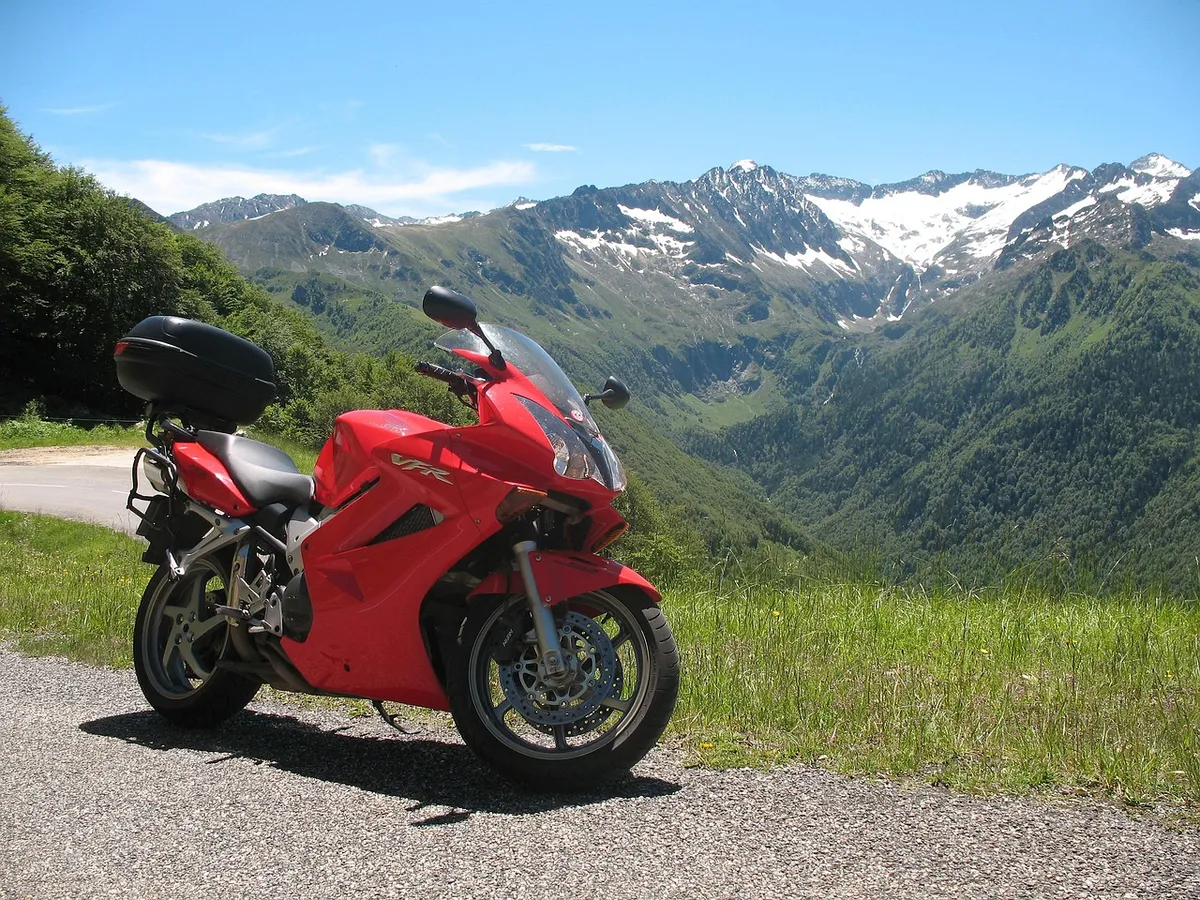
Choosing a VFR bike means selecting a specific type of riding engagement. For those who enjoy technical roads, the sharper handling of certain generations provides a more athletic experience.
For those focused on mileage, the more relaxed ergonomics and refined vibration damping of newer models offer the necessary comfort for multi-day journeys.
What was the impact of Honda VFR ride experience analysis on design?
A designer sketches the silhouette of a streamlined fairing on a drafting table. The feedback from real-world riders has historically shaped the way these machines are built and refined.
A VFR ride experience analysis shows that rider fatigue was a significant factor in design evolution. Early feedback regarding wind protection and seat ergonomics led to much more sophisticated fairing designs and upright riding positions.
These refinements ensured that the bike's performance did not come at the cost of the rider's physical well-being during long-distance travel.
How did R&D influence these touring machines?
A researcher reviews digital simulations of airflow and engine heat dissipation. The massive investment into new technologies allowed the manufacturer to push the boundaries of what a mid-to-heavyweight motorcycle could achieve.
The technical breakthroughs seen in the VFR series were supported by significant corporate investment. In 2013, Honda invested about 5.7% (US$6.8 billion) of its revenues into research and development.
This level of funding provided the groundwork for much of the reliability and sophisticated engine management seen in modern touring motorcycles.
| Feature Category | Early Generation Focus | Modern Generation Focus |
|---|---|---|
| Engine Character | High-RPM Sportiness | Broad Torque & Smoothness |
| Rider Priority | Mechanical Connection | Ergonomic Comfort & Tech |
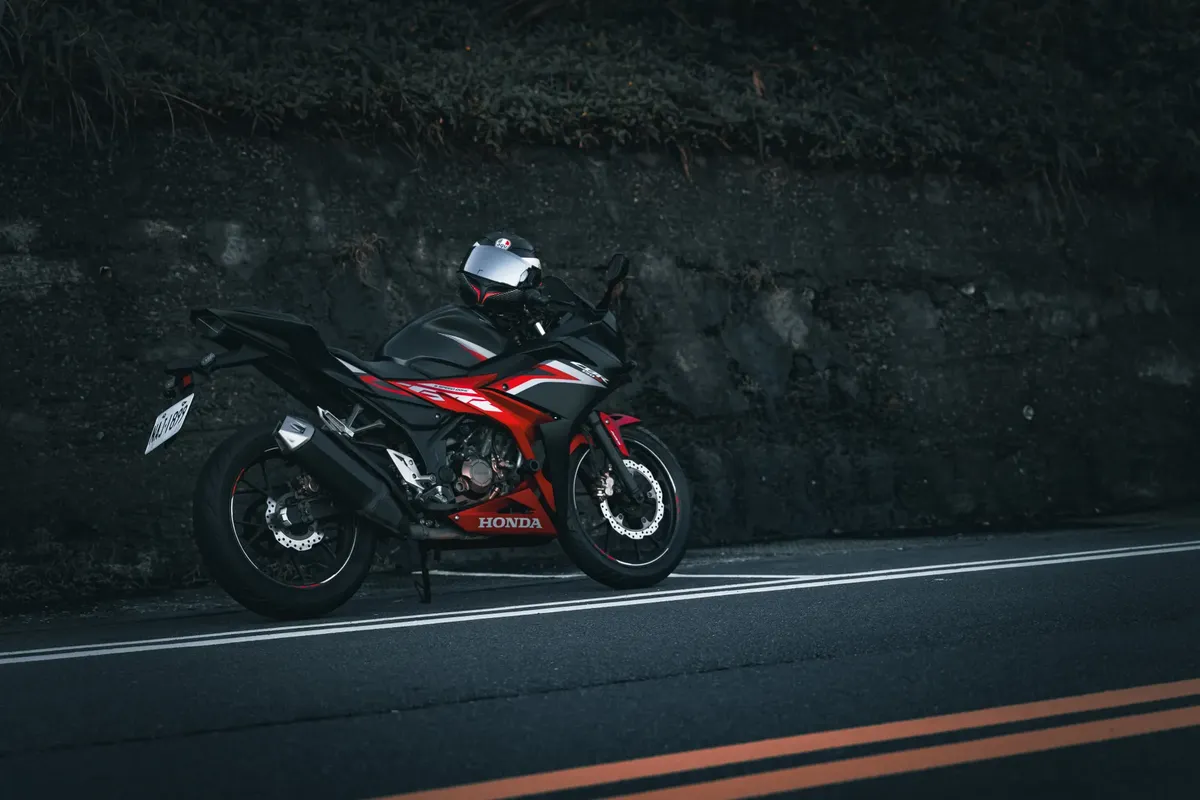
I remember checking the torque specs on an older model during a service interval, noting how much more linear the power felt compared to the high-strung models I first rode.
A limitation of this analysis is that it focuses on the general evolution of the series and does not account for specific regional model variations that might have different engine tuning.
Wikipedia: Honda
- How did the Honda VFR touring evolution begin?
- What defines the VFR model comparison across generations?
- What is the best touring bike guide for prospective buyers?
The same subject is also called Honda VFR history.
This part also covers VFR technology evolution.
Related

Comments 0