How does advanced bike tech affect the engine?
The evolution of high-performance engine architecture has redefined the limits of speed and control on the track. The YZF-R1 engine evolution represents a shift toward integrated electronic management and mechanical precision that shapes how modern motorcycles behave under stress. This guide explores technical breakthroughs, key design shifts, and the practical implications of these advancements for riders.
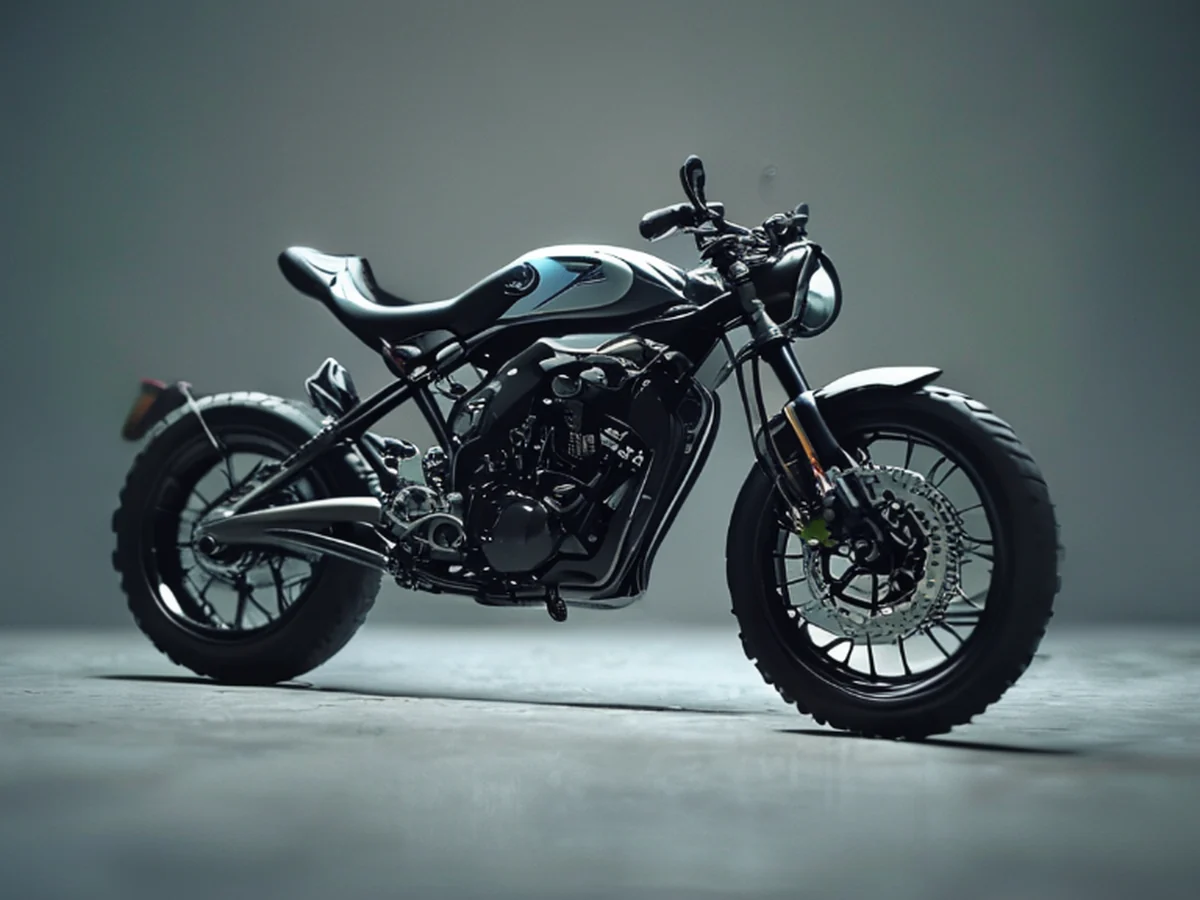
Understanding the core of a high-performance machine requires looking at how internal components work in harmony to produce consistent power.
How does the YZF-R1 engine evolution change riding?
At dawn on the track, I lean forward to feel how the refined power does change my grip on the handlebars.
Engineers focus on the balance of weight and power to ensure that a motorcycle remains stable during aggressive maneuvers. This specific path of development moved away from raw, unmanageable power toward a more refined delivery that interacts with rider input.
A high-performance motorcycle requires a delicate balance between thermal efficiency and mechanical durability. By focusing on lightweight internal components, engineers allow the engine to rev more freely while maintaining structural integrity.
This shift ensures that the powerband remains usable across various riding styles.
The R1 engine design emphasizes the role of a crossplane crankshaft to manage torque delivery. This specific configuration aims to provide a more linear feel, allowing the rider to predict how the machine will react when twisting the throttle.
It transforms the riding experience from a struggle for control into a seamless application of force.
Modern motorcycle engineering often involves: * Optimization of combustion chamber shapes * Weight reduction of rotating assemblies * Advanced cooling system integration
- Adjust the throttle input to manage the sharper power delivery.
- Coordinate braking with the increased engine braking characteristics.
- Adapt body positioning to handle the more aggressive torque curves.
What exactly makes the R1 so impactful? A technician examines the internal geometry of a cylinder head to understand how airflow affects performance. The legacy of these engineering choices can be seen in how other manufacturers approach high-revving engines.
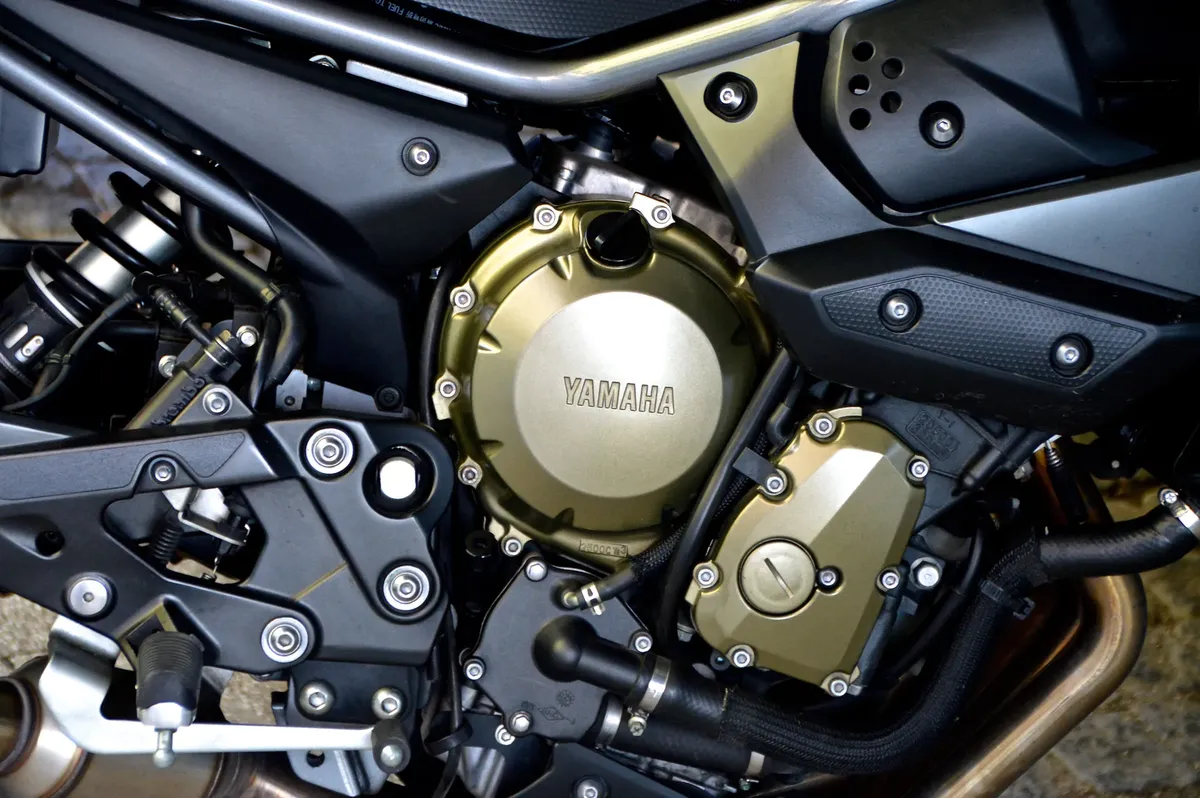
The R1 impact on bikes is visible in the widespread adoption of sophisticated electronic control units that manage engine output. These systems translate complex sensor data into real-time adjustments, effectively bridging the gap between mechanical limits and rider skill.
This synergy is essential for maintaining stability during high-speed cornering.
When I looked closely at the internal components of a modern liter-class bike, I noticed how much importance is placed on reducing reciprocating mass. This attention to detail ensures that the engine can respond instantly to throttle changes.
In this sequence, the second step is the most significant.
How will advanced tech be integrated into my bike? A rider pulls onto a track, feeling the vibration of the machine as the engine reaches its operating temperature. The interaction between the fuel injection system and the intake manifold is critical for smooth performance.
The integration of advanced bike tech allows for much tighter control over the engine's power delivery curves. Through electronic throttle control, the engine can mimic different personalities, from a smooth street-friendly mode to a much more aggressive racing setup.
This versatility is a hallmark of modern high-performance machines.
A modern bike engine must manage heat dissipation as effectively as it manages fuel. As RPMs climb, the thermal load on the components increases significantly, requiring innovative materials and airflow management.
Lessons from a high performance bike
A mechanic adjusts the valve clearance on a disassembled engine, ensuring every measurement meets the exact manufacturer specifications. Precision is the foundation of any engine that operates at the edge of its performance envelope.
A high performance bike requires rigorous maintenance to ensure that the tight tolerances between moving parts do not lead to catastrophic failure. The relationship between the piston, connecting rods, and crankshaft must be perfect to handle the stresses of high-RPM operation.

The following steps are essential for maintaining peak engine performance: 1. Perform regular oil changes using the exact viscosity required for high-heat environments. 2. Inspect the air filtration system to ensure no contaminants enter the combustion chamber. 3.
Check the cooling system levels and integrity to prevent thermal expansion issues.
Finally, verify that all electronic sensor calibrations are up to date to maintain the accuracy of the fuel mapping.
The subject here is YZF-R1 engine evolution.
The same subject is also called Sport bike tech.
The same subject is also called Motorcycle engine.
Related
- Mobike to Meituan Bike: 25,000 bikes transition guide
- Citi Bike growth and operation: Early stages overcome delays
How does the high-performance engine evolution influence handling?
The high-performance engine evolution dictates how the chassis behaves under extreme load. The refined power delivery allows the chassis to remain predictable even when operating near mechanical limits. This predictable response is crucial for high-speed stability during aggressive cornering.
The integration of electronic controls allows the rider to modulate power delivery precisely. This modulation translates into predictable rear-wheel behavior, enhancing traction when exiting tight turns.
The careful management of torque delivery ensures that the chassis reacts as intended by the rider's input.
What are the limitations of modern engine technology?
The high-performance engine evolution is ultimately constrained by physical realities. The laws of thermodynamics impose fundamental limits on achievable thermal efficiency. Furthermore, the strength of available materials dictates the maximum stress an engine can sustain before failure.
The pursuit of higher power output necessitates pushing these material boundaries. The engine's ability to manage heat dissipation is directly tied to the thermal limits of its construction.
Therefore, the pursuit of higher performance is a constant negotiation between mechanical potential and physical constraints.





Comments 0