Motorcycle Safety Gear: Essential Check for Every Ride
The difference between a memorable ride and a catastrophic incident often lies in the gear you choose before you hit the ignition.
Whether you are carving through the tight curves of the Tail of the Dragon or cruising the long stretches of Pacific Coast Highway, your equipment is the only thing standing between a close call and a life-altering impact.
* Protection is layered: Every piece of gear—from your helmet to your boots—servments a specific, non-negotiable function. * Compliance matters: Gear must meet current safety standards, such as DOT compliance, to offer proven protection in a crash. * Visibility is survival: Your gear must make you seen by other road users, especially in low-light or high-traffic conditions. * Proactive maintenance: Gear requires regular inspection and selection based on your specific riding style and body fit.
Why Safety Gear Isn't Optional: The Reality of Motorcycling Risks
The sun is dipping below the horizon in a desert stretch, and the temperature is dropping as the wind begins to whistle through your jacket. You feel the sudden urge to speed up to reach your destination before dark, but the reality of the road is much harsher than a sunset view.
According to the World Health Organization in 2016, only 10.4% of all motorcyclists wear helmets.
The physics of a motorcycle crash are unforgiously efficient. Statistics show that wearing a helmet can reduce the risk of head injury by 69% and the risk of death by 42%. These aren't just numbers; they represent the difference between walking away from a slide and facing a terminal outcome.
Furthermore, a 2008 systematic study confirmed that helmets reduce the risk of head injury by around 69% and the risk of death by around 42%.
When considering impact points, the design of your gear matters immensely. Studies have shown that full-face helmets offer the most protection because 35% of all crashes showed major impact on the chin-bar area.
If you aren't covering your jaw, you are leaving a massive portion of your survival to chance.
Visibility also plays a role in how often you find yourself in a crisis. A high percentage of accidents involve collisions with other vehicles, particularly cars, where the driver might not have seen the rider in time.
Using high-visibility colors or reflective elements in your gear can be the deciding factor in being seen by a distracted driver.
Helmet Selection: The Most Critical Piece of Gear
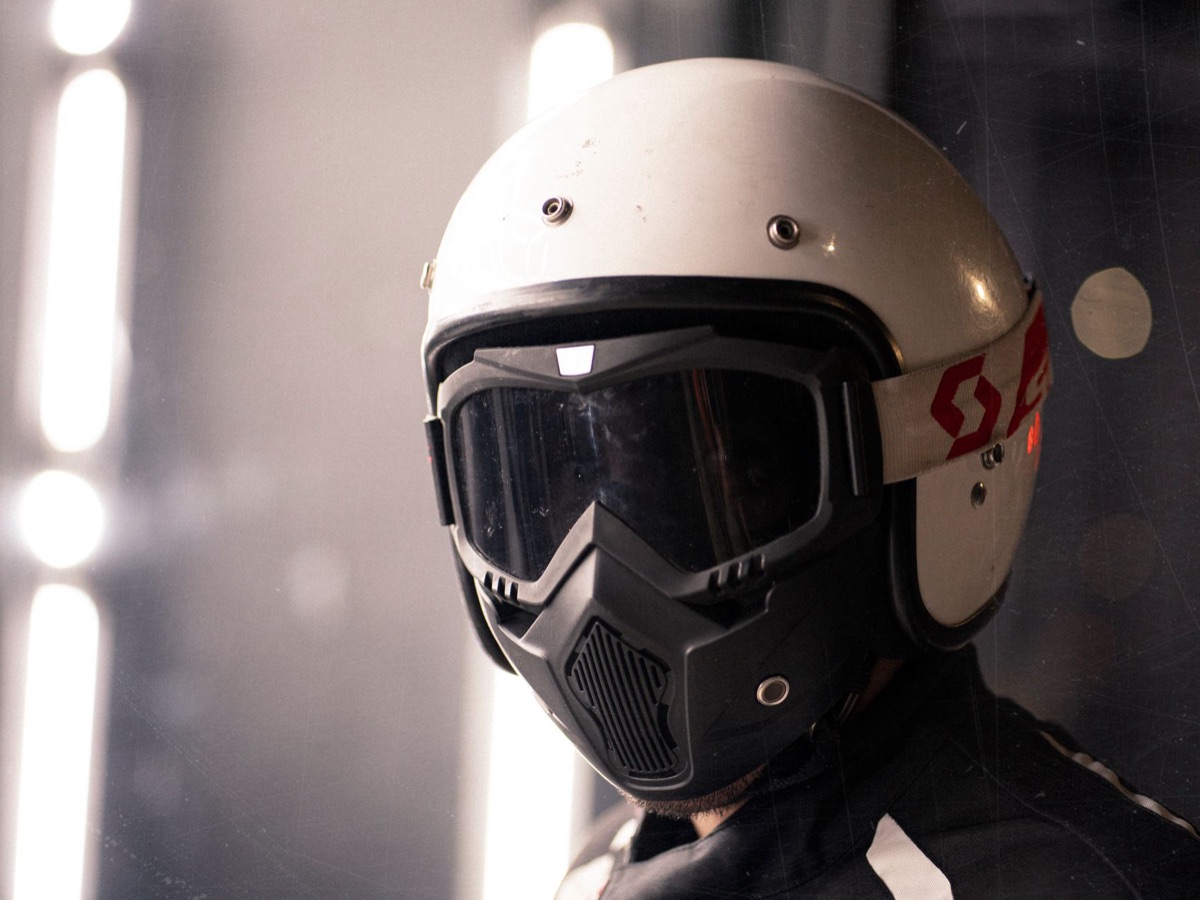
You sit in your garage, pulling a heavy, matte-black helmet from the shelf, feeling the weight and the snugness of the foam against your temples. It feels solid, but you wonder if the fit is truly safe or if the style is overshadowing the science.
When selecting a helmet, the most important factor is the balance between fit and function. A helmet that is too loose will shift during an impact, potentially causing more harm than good, while one that is too tight can cause fatigue and distraction.
In the US, 5% of riders wore non-DOT compliant helmets in 2013, a decrease from 7% the previous year, highlighting the importance of sticking to certified standards.
Always ensure your gear meets current Department of Transportation (DOT) requirements to ensure the shell and liner can handle real-world impacts.
The style of helmet also dictates the level of protection you receive. Full-face helmets are the gold standard for street riders because they provide wrap-around protection for the chin and face.
Because 35% of crashes involve impact to the chin-bar, bypassing a full-face helmet for a half-shell style significantly increases your risk profile.
Beyond the impact protection, don't forget the sensory experience of riding. Most riders experience substantial wind noise at speeds above 40 to 50 mph.
Using earplugs is not just about comfort; it prevents hearing loss and helps you maintain focus by reducing the fatigue caused by constant wind noise.
Beyond the Helmet: Body Protection (Jacket, Pants, Boots)
The smell of leather and the heavy thud of a motorcycle boot hitting the pavement remind you that your limbs are your most vulnerable assets. You realize that while a helmet protects your head, your torso, arms, and legs need their own specialized defense systems.
The primary function of riding apparel is abrasion resistance. In a slide, the road acts like giant sandpaper, and your gear must be able to withstand that heat and friction without tearing immediately.
For high-speed sport riding, heavy-duty leather is often preferred for its slide-resistance, whereas adventure or touring riders might opt for heavy-weight Cordura or Kevlar-lined textiles that offer weather protection alongside durability.
Modern riding suits often integrate body armor, such as CE-rated back protectors, knee pads, and elbow guards. These components are designed to absorb energy and distribute it across a larger surface area, preventing broken bones and internal organ damage.
When choosing a jacket or pants, look for reinforced impact zones and ensure the armor is positioned correctly for your body type.
Extremity protection is equally vital. Gloves must provide both impact protection for the knuckles and abrasion resistance for the palms. In a crash, your hands are often the first things to hit the ground.
Similarly, boots must be able to support your ankles and protect your feet from being crushed or caught under the motorcycle.
| Gear Type | Primary Function | Key Feature to Look For |
|---|---|---|
| Full-Face Helmet | Head & Chin Protection | DOT/ECE Compliance & Chin-Bar Integrity |
| Riding Jacket | Abrasion & Impact Protection | Integrated Armor & Reinforced Shoulders |
| Riding Gloves | Hand Protection & Grip | Palm Sliders & Impact-Resistant Knuckles |
| Riding Boots | Ankle Support & Impact Protection | Reinforced Ankle & Toe Box |
| Riding Pants | Leg Abrasion Protection | Kevlar/Cordura Construction |
The Nuances of Riding Gear: Choosing Your Match
You stand in a gear shop, looking at a rugged, waterproof adventure suit on one side and a sleek, aerodynamic leather racing suit on the other.
You know that wearing the wrong gear for your style of riding is like wearing running shoes to a mountain hike—it might work for a second, but it won's hold up when things get real.
The segment of motorcycle you ride should dictate your gear requirements. A high-speed sport rider needs aerodynamic, tight-fitting leather to prevent the gear from shifting at 100 mph.
In contrast, a long-distance cruiser or adventure rider needs gear that balances comfort, weatherproofing, and ease of movement for long hours in the saddle.
When matching gear, consider the balance between comfort and maximum protection. A heavy, armored touring jacket might be too cumbersome for a casual Sunday ride around town, but it is essential for a cross-country trip.
Conversely, thin, fashion-forward motorcycle apparel might look good in a cafe but will fail miserably in a high-speed slide.
To ensure you are prepared, follow this selection checklist:
- Verify Compliance: Check every piece of gear for DOT, ECE, or SNELL certifications. 2. Test the Fit: Ensure helmets are snug without pinching and jackets allow for a full range of motion. 3. Check the Armor: Confirm that knee, elbow, and back protectors are included and properly positioned. 4. Evaluate Weatherproofing: Ensure your gear is appropriate for the climate you will be riding in. 5. Inspect for Wear: Check for frayed stitching, cracked leather, or compromised foam in helmets.
The limitations of safety gear are real: no piece of equipment can guarantee 100% survival in every accident. Gear is designed to mitigate risk, not eliminate it entirely.
It is also important to remember that once a helmet has sustained a significant impact, it must be replaced, even if no visible damage is apparent.
Comments 0