Ducati Superbike: MotoGP Tech for 100% Track Performance
"From the screaming redline of the Mugello circuit to the tight technical turns of a local track day, the connection between a racing prototype and a street-legal machine has never been more visceral."
The DNA of a Ducati Superbike is forged in the heat of Grand Prix competition, where every millisecond counts. This engineering cycle ensures that the performance found in a showroom model is a direct descendant of the technology used to win world championships.
Key Takeaways: * Direct transfer of MotoGP-derived technologies, such as Desmosedici engine architecture, to production superbikes. * The critical balance between extreme power-to-weight ratios and advanced electronic rider aids.
* How aerodynamic winglets and chassis geometry define Ducati's cornering superiority. * The distinction between raw acceleration and the stability required for consistent track-day performance.
The Racing Pedigree: How does MotoGP technology reach the showroom?
The sun beats down on the asphalt at a circuit in Italy in late August 2025, the heat shimmering off the track surface as a mechanic tightens a bolt on a prototype engine. This is the birthplace of the engineering cycles that eventually find their carports in the United States.
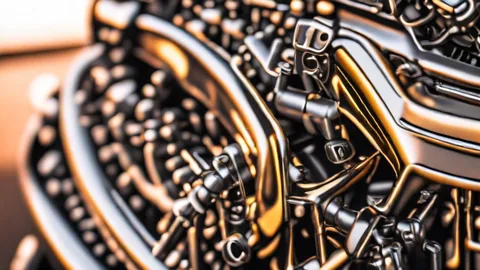
The concept of "Race on Sunday, Sell on Monday" is more than a catchy phrase for Ducati; it is the fundamental engineering philosophy. The development cycles for the Desmosedici Stradale engine are heavily influenced by the data gathered during Grand Prix racing.
This means the engine architecture—the very heart of the machine—is refined through the brutal testing of the world's toughest riders.
Material science plays a massive role in this transfer. The use of aerospace-grade alloys and carbon fiber components, once reserved strictly for the GP paddock, is now integrated into the production line.
This allows the bikes to maintain structural integrity while remaining light enough to dance through corners. The influence of Ducati Racing Engineering (DRE) ensures that the development cycles are not just about making a bike faster, but about making the technology usable for the enthusiast.
The transition from the track to the street is a constant loop of refinement.
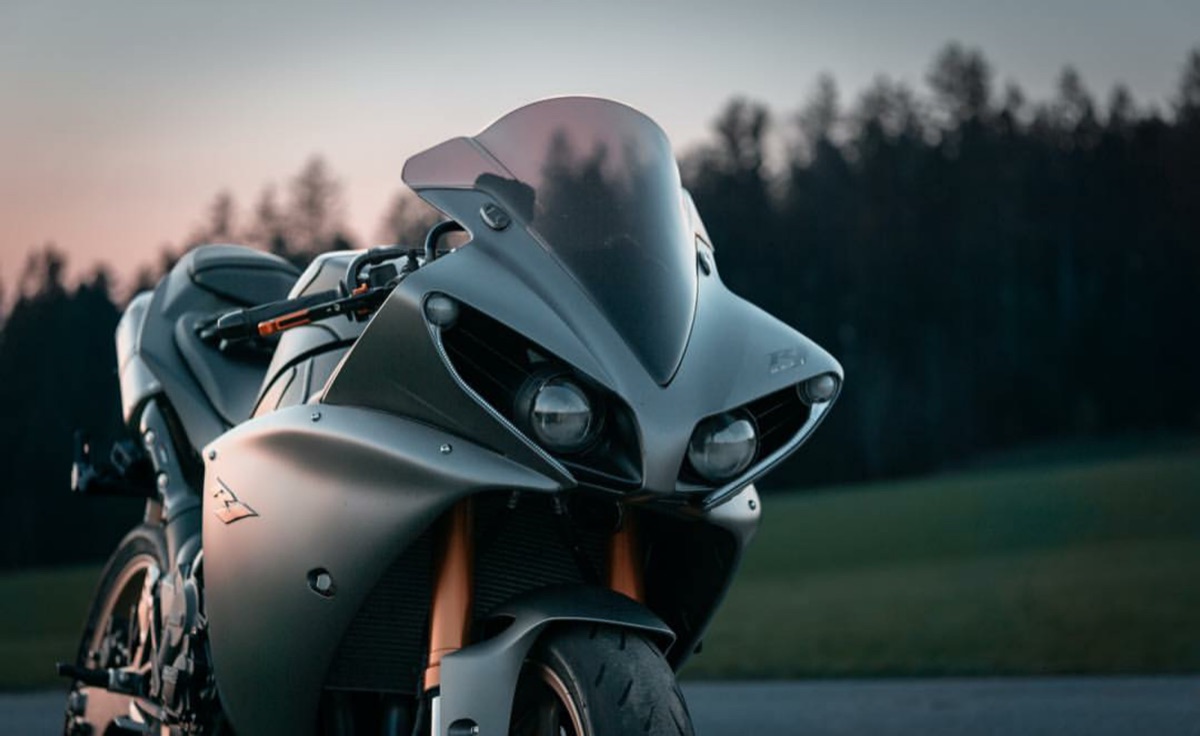
Power and Precision: How do high-output engines handle track-day demands?
A rider pulls into the pit lane at 4:30 PM on a Tuesday, the engine ticking as it cools, the scent of hot oil and rubber hanging in the air. The rider checks the temperature gauge, knowing that the massive power they just unleashed requires careful management.
Managing massive horsepower in a lightweight chassis is the primary challenge of a Superbike. The power-to-weight ratio is the defining metric for these machines. Because the bikes are engineered to be as light as possible, the engine's output can be devastatingly effective.
This is where the Desmodromic valve actuation becomes critical. Unlike traditional spring-loaded valves, the Desmodromic system uses a mechanical mechanism to both open and close the valves.
This ensures consistent performance and prevents "valve float" at the extremely high RPMs required during a competitive track session.
Heat dissipation is the silent enemy of performance. Racing-derived cooling systems are designed to prevent power loss during extended track sessions, where engine temperatures can soar. This management of thermal energy ensures that the torque curves remain predictable.
The relationship between the engine's torque and the throttle response is tuned so that the rider can modulate power precisely, whether they are exiting a slow hair-pin or screaming down a straightaway.
The engine provides the punch, but the control determines the speed.
The Electronic Brain: How do rider aids translate racing-level control?
The rider sits at the starting line at 9:00 AM, the helmet visor reflecting the bright morning light. They reach out to the handlebar, thumbing the switchgear to select a riding mode that matches the grip levels of the damp asphalt.
The integration of the Inertial Measurement Unit (IMU) acts as the bridge between the bike's physical movements and the rider's confidence. This 6-axis sensing system allows the bike to understand its own lean angle, pitch, and yaw.
This data feeds directly into the Traction Control (DTC) and Slide Control (DSC) systems. These aren't just about preventing accidents; they are about maximizing the corner exit. By managing the slip, the electronics allow the rider to push the limits without the fear of a sudden, violent high-side.
Engine Braking Control (EBC) and Wheelie Control (DWC) manage the physics of heavy acceleration and aggressive deceleration. When the rider hits the brakes, the EBC ensures the chassis remains stable, preventing the rear wheel from locking or upsetting the bike.
Meanwhile, DWC manages the front-end lift during hard throttle applications. Through customizable riding modes, the bike's personality can be shifted from a civil "Street" setting to a razor-sharp "Race" configuration with a single click.
The electronics don't replace the rider; they provide the safety net that allows the rider to be faster.
Cornering Geometry: Why is Ducati's chassis optimized for the apex?
The bike leans deep into a corner at midday, the knee puck skimming the surface of the track. The rider's body is tucked tight, the machine feeling like an extension of their own limbs.
Mass centralization is the key to the "flickability" of a Ducati. By placing the heaviest components—the engine and fuel tank—in a centralized position, the bike's moment of inertia is minimized. This allows for lightning-fast turn-in responses.
The interplay between suspension travel and chassis rigidity is a delicate balance. The chassis must be stiff enough to handle high-speed stability but possess enough lateral flex to provide grip when the bike is leaned over at extreme angles.
Aerodynamic winglets have become a staple of the modern Superbike. These components generate downforce, pressing the front tire into the asphalt to increase grip during hard braking and prevent front-end lofting during acceleration.
The ergonomics of the "attack position" are also vital. The seat and peg geometry are designed to support an aggressive riding posture, allowing the rider to weight the pegs and maneuver the bike with minimal effort.
The geometry turns raw power into surgical precision.
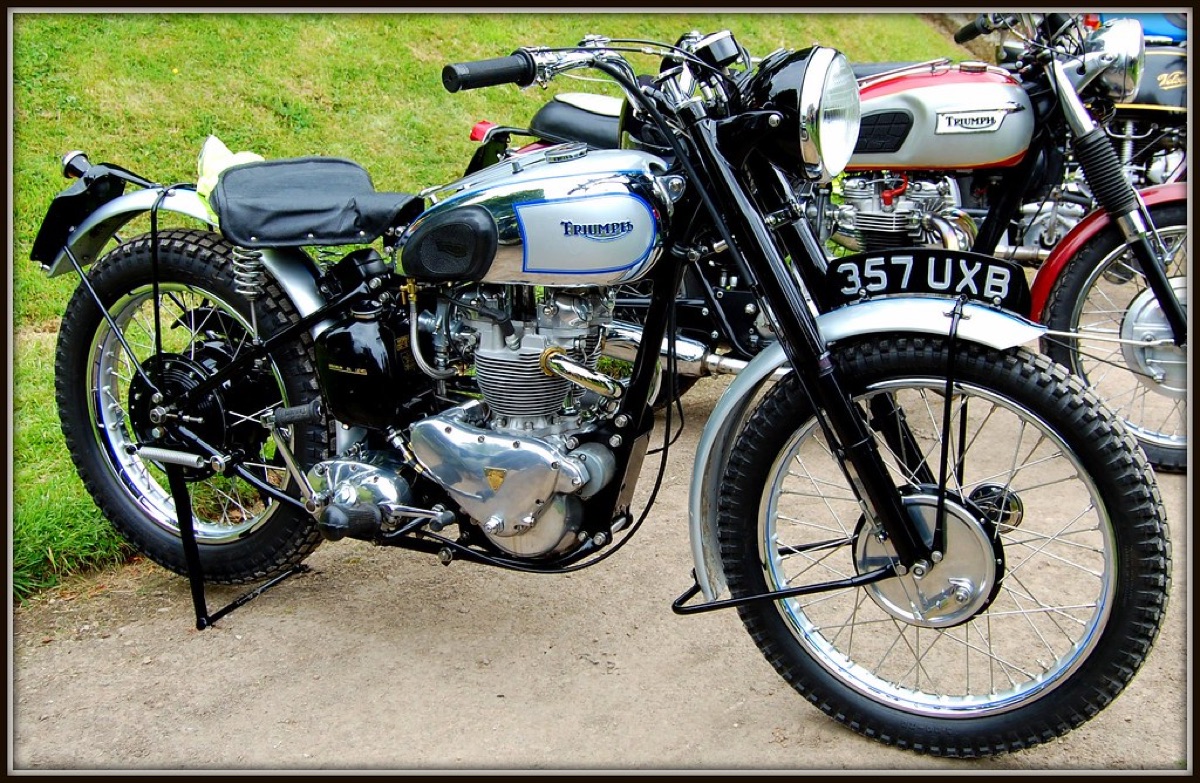
Competitive Landscape: How do Ducati Superbikes compare to rivals?
In the paddock, riders from different manufacturers stand near their machines, observing the different approaches to speed. One bike is a masterpiece of electronic sophistication, while another is a tool of pure mechanical reliability.
When comparing Ducati to Japanese flagships like those from Kawasaki or Yamaha, the distinction is often between sophisticated racing-derived character and mass-market reliability.
While the Japanese manufacturers excel at producing dependable, user-friendly machines, Ducati focuses on the high-end enthusiast who demands the absolute edge of performance. This is also evident in the European rivalry.
Comparing the character of a Ducati to the precision of a BMW Motorrad machine often comes down to the "soul" of the engine—the unique vibration and sound of the Italian design.
The "Track-First" philosophy means that the maintenance and component lifecycles are geared toward those who ride hard. This results in a premium price point. While the total cost of ownership is higher than a standard commuter bike, the performance gains are measurable.
The decision to own a Ducati is a decision to prioritize performance above all else.
| Feature | Ducati Superbike | Standard Sportbike |
|---|---|---|
| Engine Tech | Desmosedici / Racing Derived | Mass-market / Reliable |
| Chassis | High Lateral Flex / Aero Winglets | Standard Rigidity |
| Electronics | Advanced 6-Axis IMU / Race Modes | Basic Traction / ABS |
| Primary Use | Track-focused / High Performance | Commuting / Touring |
How to master a Superbike: A rider's checklist
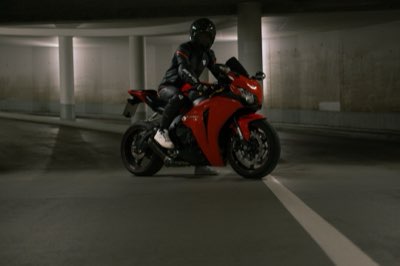
When I first sat on a Panigale at a local track day in 2025, the sheer scale of the technology was overwhelming. I realized that managing this machine isn't about fighting it; it's about understanding the systems.
If you are looking to transition from a street bike to a high-performance machine, follow these steps to ensure you stay in control:
- Master the Riding Modes: Spend your first few sessions exclusively in "Street" or "Rain" modes to understand how the electronics interpret your inputs before moving to "Race" mode.
- Check Your Ergonomics: Ensure your footpeg position and handlebar reach are adjusted to your body to prevent fatigue during long technical sections.
- ly
- Monitor Thermal Management: Learn to read your temperature gauges to understand how engine heat affects your power delivery during extended runs.
- Practice Smooth Inputs: Use the electronic aids to learn how to modulate throttle and braking to maintain chassis stability rather than relying on the computer to save you.
Limitations and Trade-offs
It is important to note that these machines are highly specialized tools. The extreme ergonomics and stiff suspension designed for track stability can make long-distance commuting or riding on uneven city streets uncomfortable.
For riders prioritizing low maintenance and ease of use above pure performance, a superbike may not be the right choice.
#

Comments 0