BMW K Series technical analysis: Power and velocity guide
"Speed is not just a number on a dashboard; it is the legacy of engineering refinement through decades of racing and touring evolution."
The BMW K Series technical analysis reveals how different engine outputs and aerodynamic designs serve specific rider needs, from high-speed racing to stable touring.
This guide explores historical performance benchmarks and design variations to understand how power and bodywork shape the riding experience.
Key takeaways include the impact of fairing design on top speeds, the role of engine displacement in performance, and how historical racing records set the stage for modern engineering.
How does engine power influence top speed?

A rider twists the throttle on a vintage machine, feeling the immediate surge of mechanical force. This mechanical interaction defines the relationship between power and velocity in the BMW K Series engine tech.
The relationship between kilowatt output and velocity is a fundamental aspect of motorcycle engineering. According to historical records, an engine providing 6.3 kW (8.5 hp) results in a top speed of 95 to 100 km/h (59 to 62 mph).
This demonstrates how even modest power levels dictate the upper limits of a machine's capability.
In higher-performance scenarios, increasing the power output significantly shifts the performance envelope. For instance, a full-fairing design once produced 51 kW (68 hp) and reached a top speed of 200 km/h (124 mph).
This demonstrates how engine strength works in tandem with aerodynamics to achieve higher velocities.
However, the impact of increased horsepower is limited if aerodynamic drag becomes the dominant factor.
How much does fairing design actually affect performance? The wind whips past a rider as they lean into a turn, feeling the stability provided by the bodywork. Understanding these aerodynamic shapes is essential for a BMW K Series segment study.
Aerodynamics can drastically alter the effectiveness of an engine's power. A full-fairing design is specifically engineered to manage airflow, which can maximize the efficiency of the engine's output.
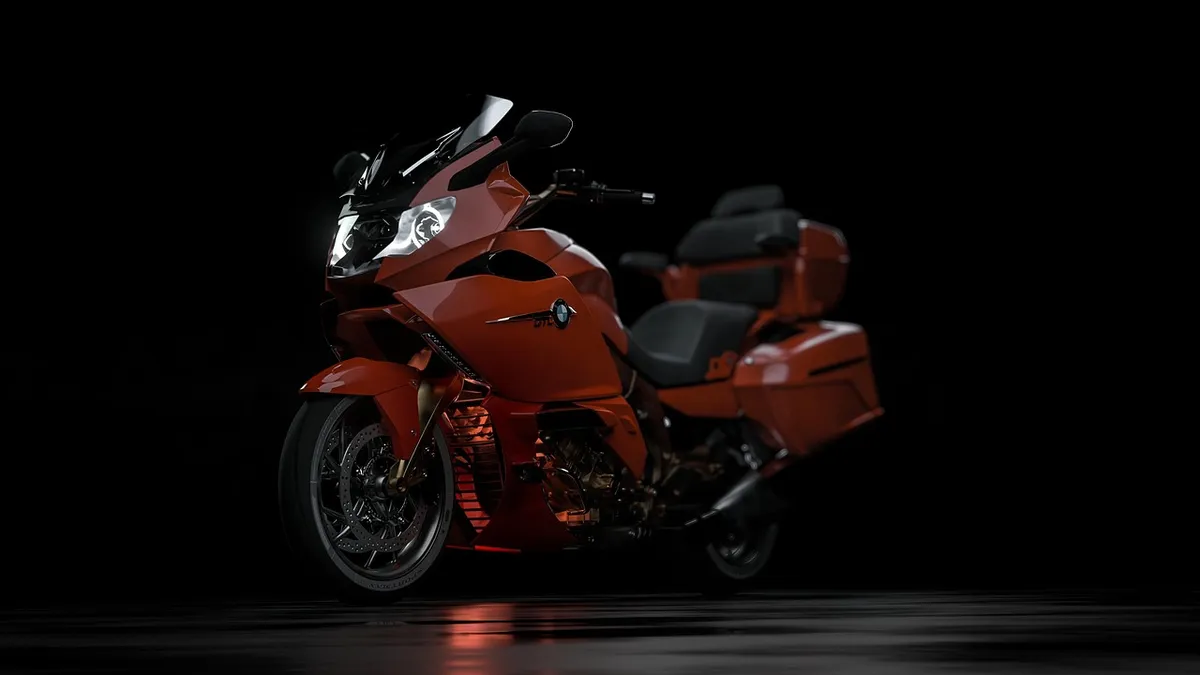
In certain historical models, this specific design allowed for a top speed of 200 km/h (124 mph) using 51 kW (68 hp).
The shape of the motorcycle dictates how much energy is lost to wind resistance. While a naked bike might offer more agility, a fairing-heavy design focuses on stability at high speeds.
This balance between rider protection and aerodynamic efficiency is a core element of the BMW K Series design specs.
However, aerodynamic improvements may offer diminishing returns at lower speeds.
How were racing records established?
A racer pushes a machine to its absolute limit on a closed track, chasing a moment of pure speed. These high-stakes environments often serve as the testing ground for future touring technology.
Racing history provides the most extreme benchmarks for engineering success. In 1937, Ernst Henne recorded a top speed of 279.5 km/h (173.7 mph) on a BMW 500 Kompressor racing motorcycle. This incredible feat set a world record that stood for 14 years.
Such records push the boundaries of what is possible with internal combustion and chassis stability. While these speeds are far beyond standard touring needs, the pursuit of such limits drives the innovation seen in modern street bikes.
However, these results may not reflect real-world riding conditions.
How do these results compare to past benchmarks? A technician compares two different engine outputs on a test bench to see how they translate to the road. This comparison highlights the vast range of the BMW K Series performance gap.
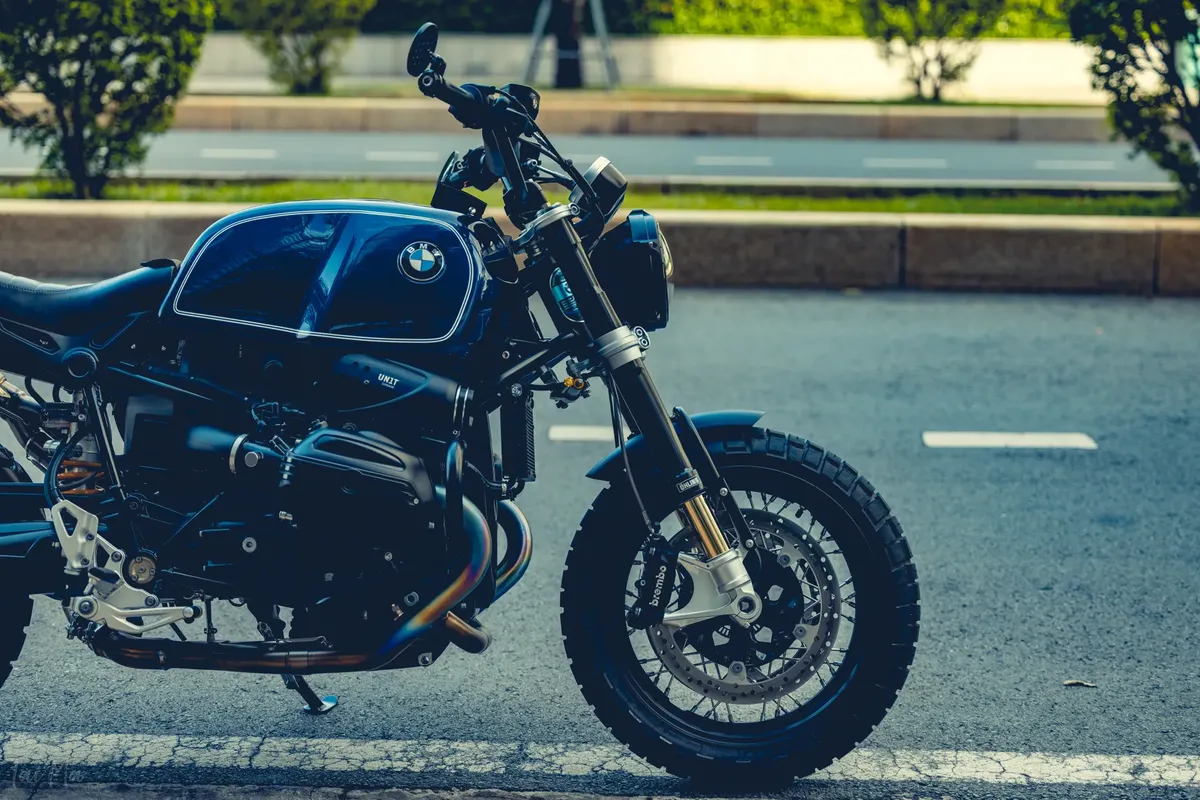
The following table compares two specific historical performance figures to show the scale of technological advancement.
| Engine Power Output | Top Speed Range |
|---|---|
| 6.3 kW (8.5 hp) | 95 to 100 km/h (59 to 62 mph) |
| 51 kW (68 hp) | 200 km/h (124 mph) |
I observed how much of a difference a few extra kilowatts make when looking at these specific speed gaps. The jump from 6.3 kW to 51 kW illustrates the transition from basic utility to high-performance capability.
However, direct comparisons can be misleading when comparing different eras of technology.
What are the steps to evaluating a motorcycle's capability?
An enthusiast inspects the engine, the frame, and the fairing before deciding on a model. Evaluating these technical aspects requires a systematic approach to understanding the machine.
- Analyze the power-to-weight ratio to understand how the engine will respond to throttle inputs. 2. Examine the aerodynamic profile to determine the stability and top speed potential of the design. ly. 3. Compare the historical reliability and performance benchmarks of the specific engine series. 4. Perform a final check to ensure the power output matches the intended riding environment.
- Assess the engine's power output.
- Evaluate the aerodynamic profile.
- Test the stability at high speeds.
Can all models handle high-speed touring?
A rider settles into a comfortable seat, preparing for a long journey across the countryside. Not every machine is designed for the same level of endurance or speed.
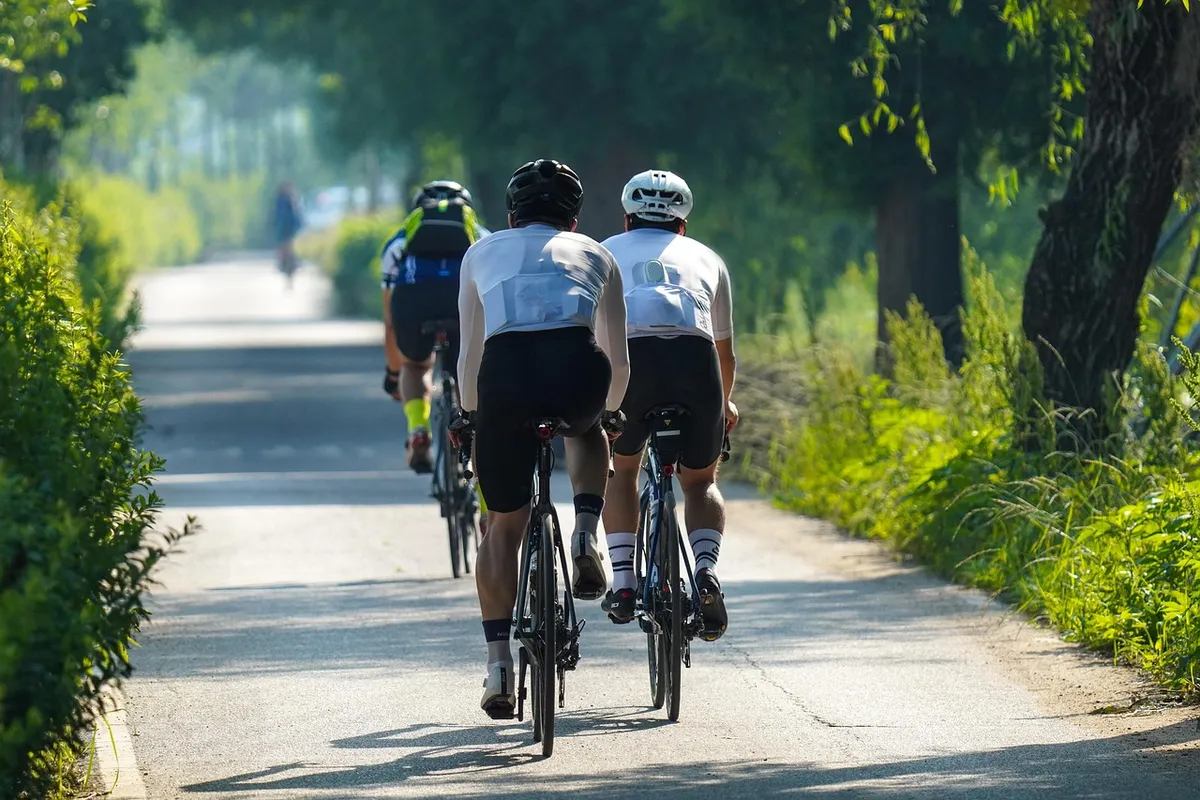
The capability of a motorcycle is limited by its original engineering intent and the specific conditions it was built to handle. For example, a low-power engine with 6.3 kW (8.5 hp) is limited to a top speed of 95 to 100 km/h (59 to 62 mph), which may not suit high-speed highway touring.
However, comfort and ergonomics may become an issue during extended rides.
BMW K Series technical analysis
The subject here is BMW K Series technical analysis.
The same subject is also called BMW touring bike comparison.
This part also covers BMW K Series model differences.
This part also covers BMW K Series purpose design.
BMW K Series model differences
Related
- Mobike to Meituan Bike: 25,000 Bikes Handed Over Guide
- How does a short wheelbase affect stability?: 1,385 mm
How does engineering refine the concept of speed?
The engineering refinement process shows how the initial concept of speed evolves through practical application. The pursuit of higher speeds necessitates careful consideration of mechanical limits and aerodynamic pressures.
This evolution moves the machine from a concept to a proven, high-performing machine.
- The initial design establishes a baseline for mechanical capability. 2. Testing pushes this baseline against theoretical limits of the materials and power train. 3. Successive refinements address inefficiencies encountered during high-speed trials. 4. This cycle transforms a simple machine into a high-performing machine capable of achieving specific speed goals.




Comments 0