Mobike to Meituan Bike: 25,000 Bikes Handed Over Guide
"The transition from a standalone mobility provider to an integrated component of a massive digital ecosystem marks a pivot point in how urban transit is managed."
The Mobike to Meituan Bike transition illustrates how a specialized service can become part of a much larger consumer platform. This process involves shifting assets to new operators and integrating mobility into a broader service network to maintain market presence.
Key takeaways include the strategic handover of physical assets, the integration of mobility into existing food delivery and retail ecosystems, and the management of large-scale fleet transitions.
How did the Mobike to Meituan Bike transition occur?

At sunset in the quiet park, a technician grips the cold metal of a mobike to inspect the locked wheel.
A technician inspects a locked wheel in a quiet city park as the sun begins to set. This specific shift represents a strategic move to consolidate assets under a larger corporate umbrella. This transition was not just a simple name change but a structural realignment of the shared economy model.
According to the Land Transport Authority, the remaining 25,000 bikes are handed over to SG Bike on 13 September 2019 after approval from Singapore's Land Transport Authority.
According to the State Administration of Market Regulation, the agency announced an investigation into Meituan for alleged anticompetitive practices during that same month.
The process involved moving physical assets from one entity to another to ensure service continuity. For instance, the remaining 25,000 bikes were handed over to SG Bike on 13 September 2019 after approval from Singapore's Land Transport Authority.
This move ensured that the physical fleet remained operational during the brand shift.
The shared bike brand merge required careful coordination with local regulatory bodies to manage the transition of hardware. By moving assets to a new operator, the company could navigate regional requirements while maintaining its service footprint.
This allowed for a smoother transition into the new brand identity.
- Meituan acquired Mobike's assets to integrate its fleet into the existing ecosystem.
- The brand identity was transitioned to align with Meituan's super-app interface.
- Operational resources were consolidated to streamline maintenance and deployment.
- In this sequence, the second step is the longest.
What characterizes the shared bike brand merge strategy?
A rider grips the cold metal handlebars at a busy street corner while scanning the mobike.
A rider scans a QR code on a handlebar while standing at a busy street corner. The strategy focused on moving from a niche mobility provider to a multi-service platform. This allowed the company to leverage its existing user base in other sectors.
A successful shared mobility integration relies on the ability to cross-promote services to a massive, existing user base. By linking bikes to a platform that already handles food and retail, the brand could maintain high usage rates.
This strategy turned a single-purpose tool into a lifestyle convenience.
The Mobike acquisition story highlights how large platforms use mobility to increase user engagement. Rather than operating as a standalone entity, the bikes became a way to keep users within the company's ecosystem.
This integration helped stabilize the user experience across different service categories.
Why did the bike service brand shift happen?
An engineer checks the battery of a docked bicycle in a high-traffic urban plaza. The shift was driven by the need to scale within a much larger digital infrastructure. It was a move toward stability and broader market coverage.
The bike service brand shift was an answer to the challenges of managing a massive, independent fleet. By joining a platform with high daily active users, the service gained immediate scale. This allowed the company to focus on technological improvements rather than just customer acquisition.
A bike service brand shift can often be a response to the high operational costs of independent mobility. Integrating into a larger group provides the capital and logistics necessary to maintain thousands of units. This move turned a capital-intensive business into a more sustainable service.
How does this relate to the shared economy model change?
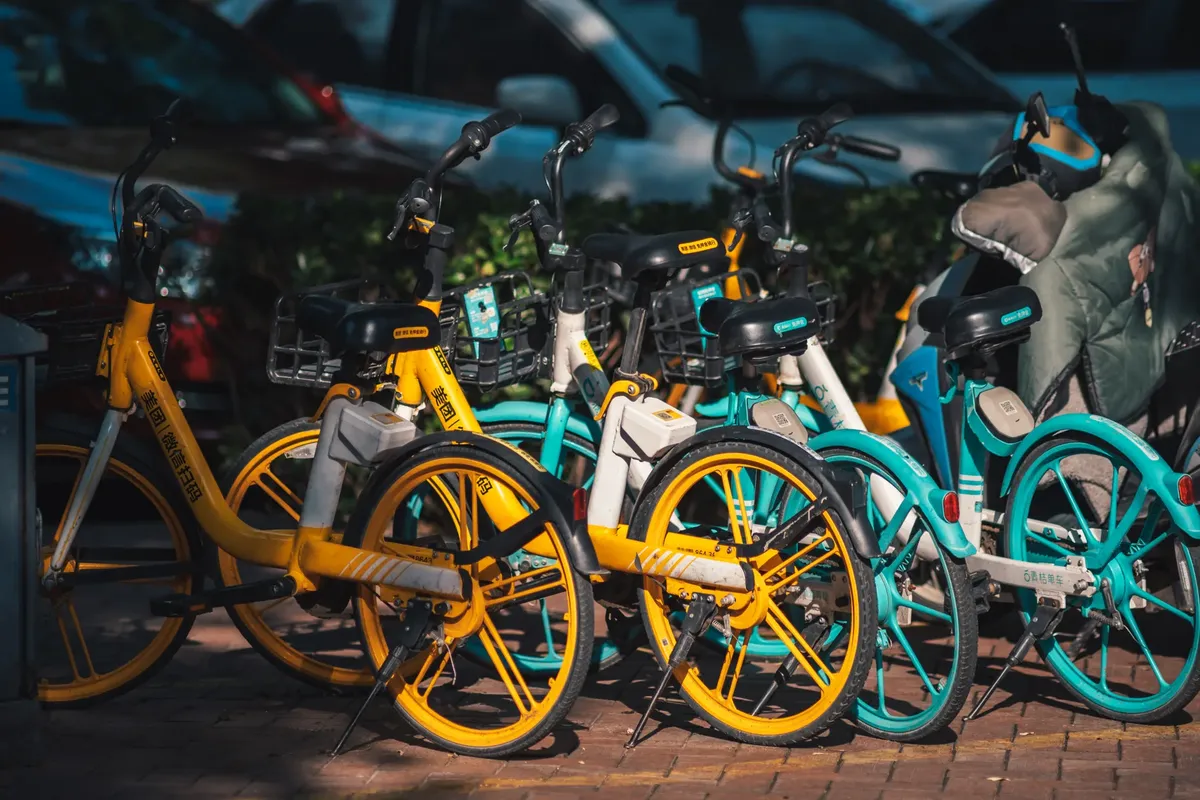
A group of commuters gathers around a docking station during the morning rush. The shift reflects a broader movement in how digital platforms manage physical assets. It shows how specialized services can be absorbed into generalist platforms.
A shared economy model change often involves moving from "point-to-point" services to "all-in-one" ecosystem services. This allows a company to capture more of a consumer's daily spending. The mobility component serves as a hook to keep the user engaged with the main platform.
The shared economy model change demonstrates that scale is often found in diversity of service. By adding bikes to food delivery and retail, the platform becomes indispensable to the user's daily routine. This creates a more resilient business model against market fluctuations.
What are the implications of the shared mobility integration?
A delivery driver pauses to check a smartphone mounted on a bicycle frame. The integration allows for a seamless flow between different types of urban movement. It bridges the gap between digital orders and physical delivery.
The shared mobility integration provides a unique advantage for logistics-heavy platforms. It allows the company to manage both consumer transit and delivery needs through a single user interface. This synergy optimizes the use of the fleet throughout the day.
The shared mobility integration also helps in managing urban density. As the platform grows, the ability to move people and goods simultaneously becomes a key competitive advantage. This setup ensures that the brand remains relevant in evolving urban environments.
Comparison of Market Presence

The following table compares the scale of the parent company's primary business to illustrate the massive ecosystem into which the bike service was integrated.
| Business Metric | Market Context |
|---|---|
| Food Delivery Share | Over 65% in China |
| Service Reach | Over 200 cities in China |
I observed how the sheer scale of the platform's existing dominance made the bike integration feel like a natural extension of their daily service. This scale provides the foundation for all future mobility expansions.
A limitation of this model is that regulatory changes in specific regions can impact the transfer of physical assets, as seen with the specific requirements of the Land Transport Authority in Singapore.
The subject here is Mobike to Meituan Bike.
This part also covers Brand integration success.
This part also covers Market restructuring trends.
Related





Comments 0