Cruiser Guide: How to Pick the Best Bike for Your Ride
This article is about Cruiser. "A motorcycle is not just a machine; it is a physical extension of the rider's will to move through the world."
Choosing a cruiser is about balancing the desire for relaxed posture with the need for mechanical soul. This guide explores the different breeds of cruisers, from high-performance sport cruisers to heavy-duty touring machines, helping you match a specific engine character to your riding style.
* Understanding the core personality of the cruiser segment. * Comparing sport cruisers against traditional touring models. * Identifying the right engine characteristics for urban vs. highway riding. * Differentiating between lifestyle-focused bikes and performance-driven machines.
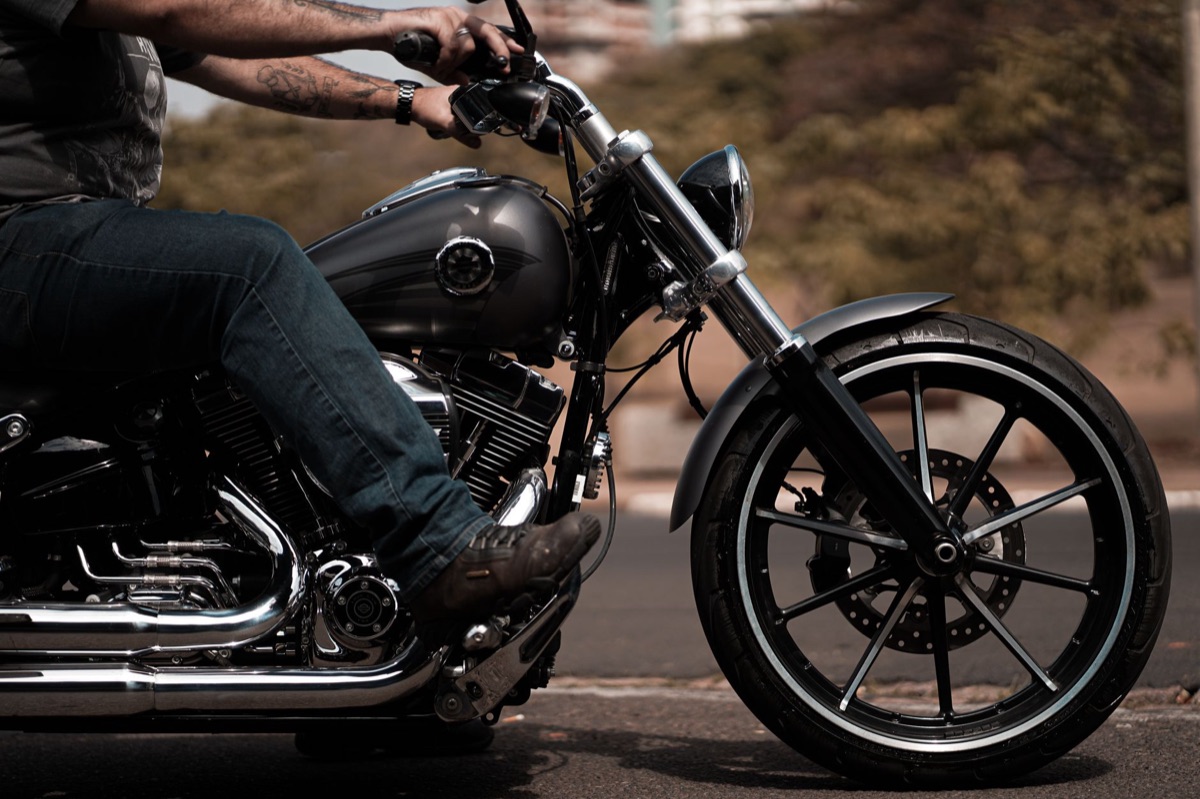
What is the soul of the low-and-slow aesthetic? The sun hits the chrome of a parked V-twin at a roadside diner, reflecting a blinding glint against the asphalt. You sit on the seat, feeling the weight of the machine settle between your legs, and realize that the low seat height isn't just for ease—it is about the feeling of being grounded.
Cruisers are defined by their relaxed ergonomics, low seat heights, and a heavy emphasis on style and torque over raw top-end speed. Unlike sportbikes that demand a forward-leaning, aggressive tuck, cruisers prioritize a "sit-in" rather than a "sit-on" experience.
This segment is built around the aesthetic of freedom and the rhythmic pulse of large-displacement engines.
While some riders seek the adrenaline of a liter-class supersport, cruiser enthusiasts value the visceral connection to the engine's heartbeat. This makes the segment incredibly diverse, ranging from minimalist bobbers to massive, windshield-equipped touring giants.
The personality of the bike often dictates the riding experience more than the actual horsepower numbers.
When I first leaned back into a low-slung seat, I was surprised by how much more relaxed my spine felt during long stretches. I realized that the deliberate pace makes you appreciate the scenery in a way that high-speed riding never allowed.
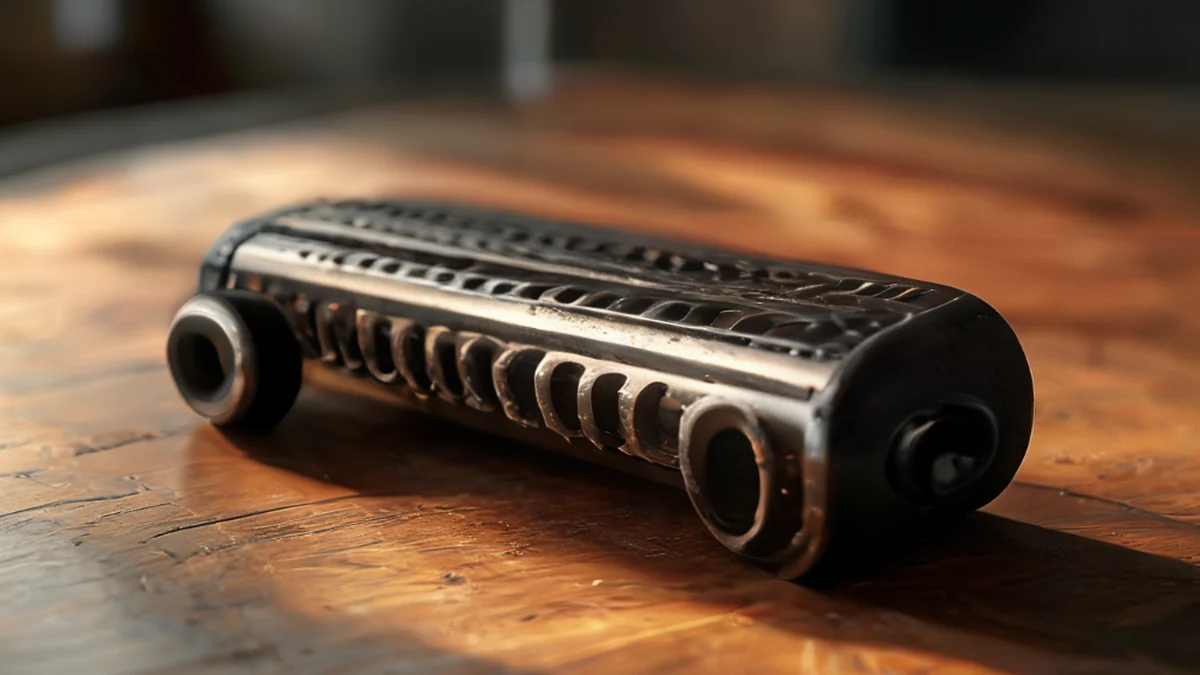
How do sport cruisers blend speed and style? The wind whips past your helmet as you lean into a sweeping curve on a coastal highway, feeling the engine pull harder than you expected from a bike with such wide handlebars. You realize that this isn't a slow cruiser; it's a machine built to hunt.
A sport cruiser bridges the gap between the relaxed cruiser lifestyle and the performance-oriented DNA of a streetfighter. These motorcycles often feature more modern chassis geometry, higher-revving engines, and better suspension travel than traditional heavy cruisers.
They are designed for the rider who wants the "cool factor" of a cruiser but still wants to carve through canyon roads with precision.
Key characteristics of the sport cruiser include: * Higher Power-to-Weight Ratio: They are typically lighter and more agile than full-size touring cruisers. * Modern Engine Tech: You will often find liquid-cooled engines or high-output V-twins that provide better mid-range punch.
* Upgraded Components: Expect better braking systems and more responsive suspension setups.
| Feature | Traditional Cruiser | Sport Cruiser |
|---|---|---|
| Primary Focus | Style & Comfort | Performance & Agility |
| Riding Position | Upright / Feet Forward | Slightly Aggressive / Mid-Controls |
| Engine Character | Low-end Torque / Relaxed | Mid-to-High Range Punch |
| Cornering Ability | Limited by Geometry | Capable of Technical Riding |
When I pushed a sport cruiser through a series of tight corners, the balance between aggressive handling and relaxed ergonomics caught me off guard. I found myself wanting more wind protection, but the agility made the ride incredibly engaging.

Why do riders choose the heavy touring segment?
The hum of a massive engine vibrates through the floorboards as you settle into a leather seat, the vast expanse of the highway stretching out like an endless ribbon of possibility. You aren't just riding to a destination; you are living in the movement.
Touring cruisers are the heavyweights of the motorcycle world, designed specifically for long-distance travel and multi-day adventures. These machines are built around comfort, storage, and stability.
They are the "land yachts" of the two-wheeled world, providing everything a rider needs to cross continents without the fatigue that shorter-range bikes might cause.
The primary reasons for choosing a touring cruiser include: 1. Ergonomic Excellence: Large, plush seats and adjustable wind protection make long hours in the saddle much more manageable. 2.
Storage Capacity: Integrated saddlebags and often large rear trunks allow for significant luggage capacity for gear and supplies. 3.
Stability and Smoothness: The heavy weight and long wheelbase provide a planted feeling, making them excellent at absorbing road imperfections at highway speeds.
This segment is not for those looking to weave through tight city traffic or dance through technical mountain passes. If your goal is to cover 500 miles in a single day while carrying a passenger and luggage, the touring cruiser is the only logical choice.
When I loaded up a heavy tourer for a multi-day trip, I was amazed at how much gear I could carry without sacrificing stability. I learned that the sheer mass of the bike provides a sense of composure on the highway that lighter bikes lack.
The Urban Cruising Experience
The stoplight turns green in a bustling downtown district, and as you roll the throttle, the deep rumble of the exhaust echoes off the glass skyscrapers. You feel the presence of the bike as pedestrians turn to look, acknowledging the unmistakable silhouette.
Urban cruising is about presence and ease of maneuverability within a city environment. For city dwellers, a cruiser that is too large can be a liability, making it difficult to navigate tight corners, parking garages, or heavy traffic.
Therefore, the urban cruiser often leans toward a mid-sized displacement or a more compact frame.
In a city, the "cool factor" is often the primary driver. A rider wants a bike that looks iconic at a stoplight but remains easy enough to manage at low speeds.
The torque-heavy nature of these engines is perfect for quick bursts of acceleration to catch a light, providing a sense of effortless power that lighter bikes often lack.
When I navigated tight city streets on a cruiser, the low seat height made it much easier to manage at stoplights than I expected. I did find the wider handlebars a bit cumbersome in heavy traffic, which taught me to be more mindful of my lane positioning.
What is the ideal riding environment for a cruiser?
A sudden rain shower hits the windshield, and you pull over to a sheltered gas station, looking at the way the water beads off the polished tank. You realize that while the bike is beautiful, the environment dictates how much you can actually enjoy it.
The ideal environment for a cruiser depends entirely on the specific sub-segment of the bike. A lightweight bobber or boulevard-style cruiser thrives in coastal towns and urban streets where style and maneuverability are key.
These environments allow the rider to show off the bike's unique character without the fatigue of high-speed wind or the struggle of heavy weight.
Conversely, the heavy touring cruiser finds its true home on open highways and scenic interstate routes.
These bikes are engineered for the "grand tour." They excel on wide, sweeping roads where the engine can settle into a steady rhythm and the rider can enjoy the scenery through a clear windshield.
To determine your ideal environment, consider these three factors: 1. Road Quality: If you frequently deal with potholes and rough city streets, a cruiser with better suspension or a lighter weight is preferable. 2.
Distance: If your rides are mostly under two hours, a more stylish, less bulky cruiser is often more enjoyable. 3. Traffic Density: High-traffic areas require better sightlines and easier low-speed control, which favors smaller-displacement cruisers.
A limitation of the cruiser segment is that they are generally not designed for off-road adventuring. While "adventure cruisers" exist, the low ground clearance and heavy weight make them unsuitable for dirt trails or rugged terrain.
When I took a cruiser out on a winding coastal road, the rhythmic engine pulses felt perfectly synchronized with the open landscape. I noticed that while they handle highways well, they truly come alive when the road allows for a relaxed, steady pace.
How to choose your first cruiser
I remember the first time I sat on a heavy cruiser; the sheer scale of the machine was intimidating, making me wonder if I could actually control it in a parking lot. That moment of doubt is common for first-time buyers.
Choosing your first cruiser requires a careful assessment of your physical size and riding experience. Because cruisers have a distinct geometry, you must ensure the bike fits your reach and that you can comfortably touch the ground at stoplights.
Follow these steps to make an informed decision: 1. Test the Ergonomics: Sit on various models. Check if the foot-forward position is comfortable for your leg length and if the handlebar reach feels natural. 2. Evaluate Weight Management: Practice low-speed maneuvers.
A heavy cruiser can be difficult to balance when maneuvering in tight spaces or when coming to a stop. 3. Match Engine to Intent: Decide if you want the "thump" of a low-revving engine for cruising or the "pull" of a higher-revving engine for occasional spirited riding.
When I sat on various models for the first time, I realized that the reach to the controls mattered much more than the engine size. I wish I had spent more time testing different seat heights before making my final decision.
Related

Comments 0