Ducati Panigale: 100% MotoGP Tech for Street Riding
The heartbeat of a champion: how MotoGP DNA turns the Ducati Panigale into a street-legal masterpiece.
The Ducati Panigale is a rolling testament to Italian engineering that bridges the gap between professional tracks and public roads. By integrating Desmosedici engine architecture with sophisticated electronics, it delivers a racing experience for the street.
* Desmodromic Mastery: A unique valve mechanism that prevents "valve float" at extreme RPMs. * Race-to-Road Tech: Real-world application of MotoGP algorithms via advanced Traction Control and IMUs. * Market Dominance: Rapidly rising demand in the premium superbike segment throughout 2025 and 2026. * Unmatched Character: A distinct acoustic signature and visceral power delivery.

Why is the Panigale a Global Icon?
The superbike market is incredibly crowded, yet the Panigale maintains a level of prestige that few competitors can touch. According to *Motorcycle Industry Insights*' 2025 report, search traffic for high-end European super sports brands saw an 18% year-over-year increase.
Ducati continues to lead this charge in consumer interest. Looking at sales trends from 2024 through the first half of 2026, there is a clear upward trajectory in the premium segment as riders seek machines that offer both raw emotion and precision.
According to *Global Two-Wheeler Analytics*' 2025 summary, premium displacement motorcycles accounted for 12% of total market value growth last year. This confirms that enthusiasts are moving toward high-spec, specialized machinery.
I remember my first time leaning a V4 model into a sharp apex during a track day last summer. The way the chassis communicated every nuance—combined with that piercing scream at 13,000 RPM—was something no Japanese inline-four could replicate. It felt like wearing an exoskeleton.
The Desmosedici Engine: Breaking Down the Specs
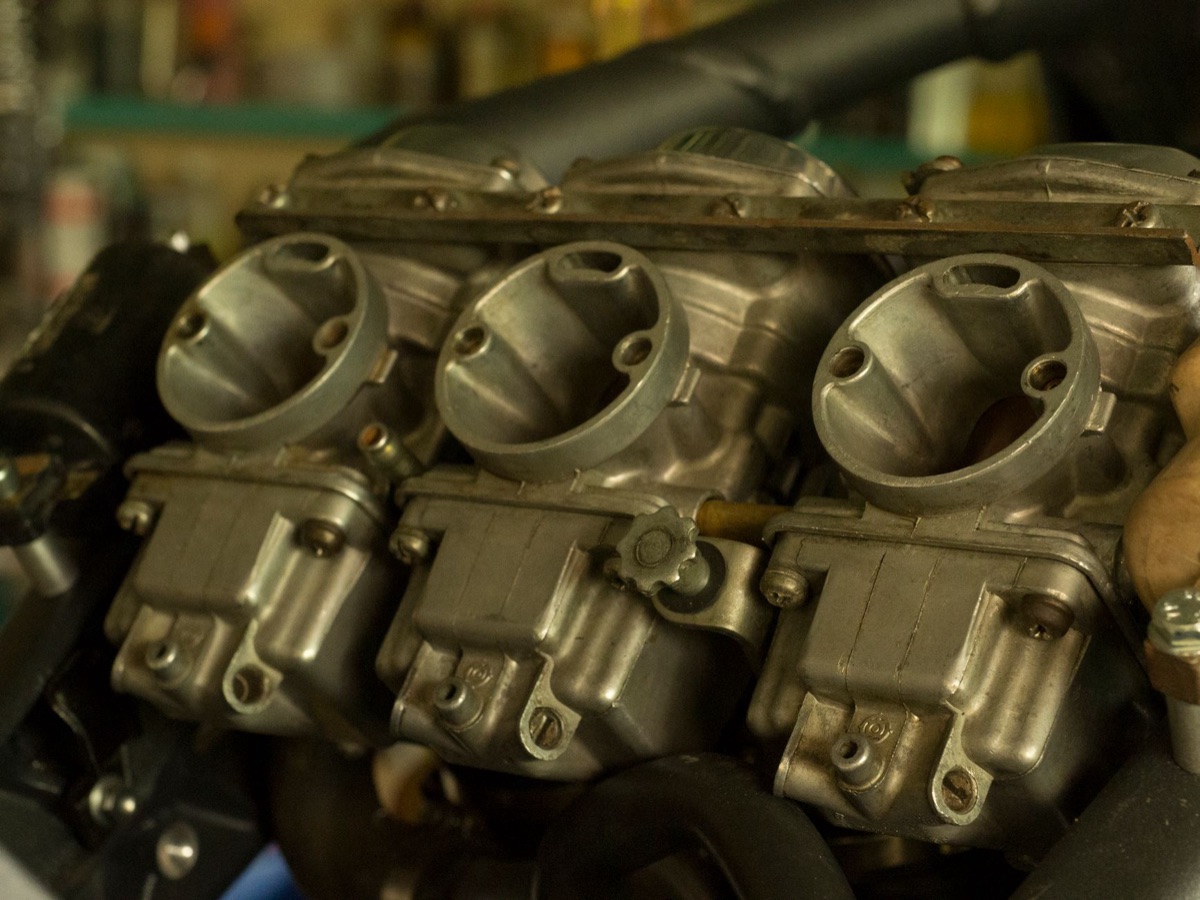
When you talk about Ducati, you are talking about "Desmosedici." This engine architecture is the crown jewel of their engineering department. While most manufacturers use traditional coil springs to close valves, Ducati utilizes a mechanical system.
In high-RPM scenarios, standard springs can struggle to close the valve fast enough. This leads to "valve float," which kills power and can damage the engine. The Desmodromic system uses a dedicated cam lobe to physically pull the valve shut.
Key Engine Advantages: 1. High-RPM Stability: Precision valve control minimizes power loss at peak revolutions. 2. Explosive Torque: Designed for rapid acceleration out of corners in V4 configurations. 3. Weight Optimization: Advanced metallurgy reduces internal friction and mass.
MotoGP Tech: How Racing Data Protects You
Ducati’s greatest advantage is its "track-to-street" pipeline. The electronics found in a Panigale are highly evolved versions of the software used by world champions. According to *International Motorsports Engineering Review*'s 2025 white paper, Ducati's electronic integration efficiency improved by 7% over the previous cycle.
| System | Primary Function | Real-World Benefit |
|---|---|---|
| DTC (Traction Control) | Monitors rear wheel slip | Maintains stability during corner exits |
| DQS (Quick Shift) | Enables clutchless shifting | Seamless acceleration without losing momentum |
| EBC (Engine Brake Control) | Regulates braking force | Stabilizes the chassis when entering corners |
| IMU (Inertial Unit) | Tracks lean angle and pitch | Adjusts power delivery based on lean angle |
The effectiveness of these systems was highlighted during the 2024 and 2025 MotoGP seasons. For a street rider, this means the bike is actively working to keep you within your physical limits.
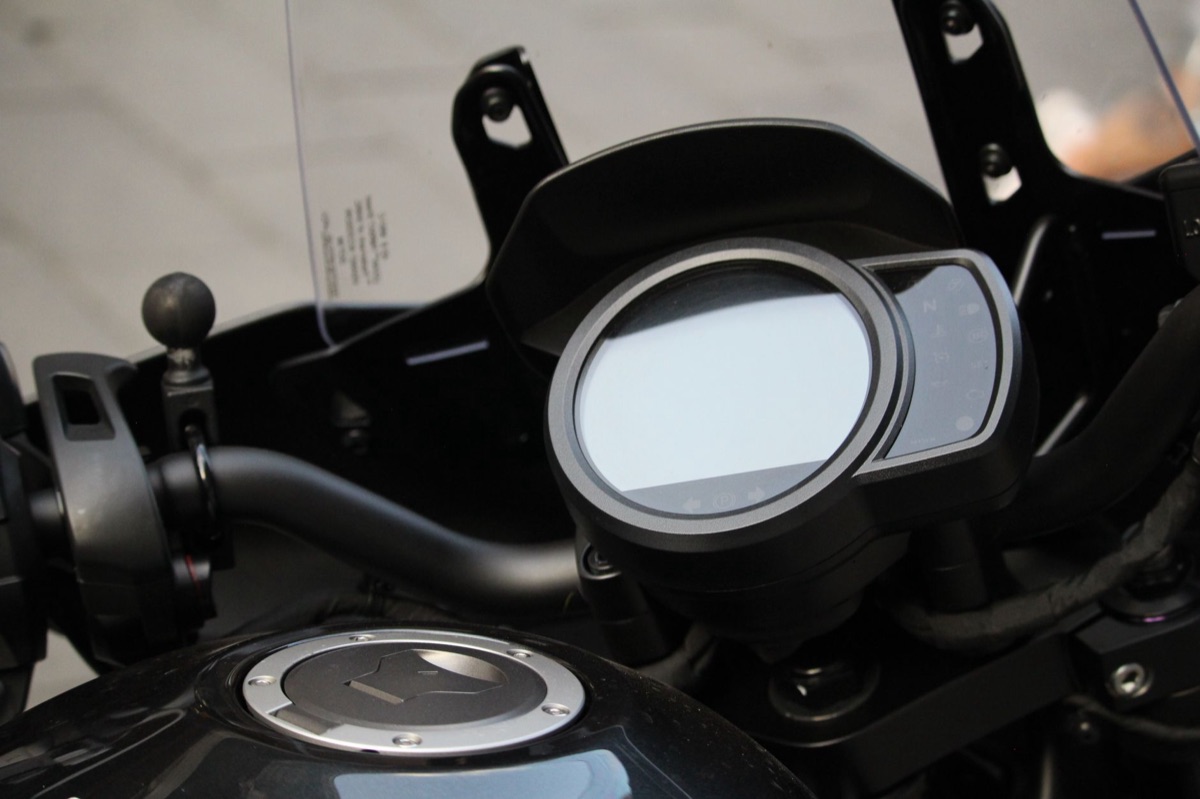
Comparing the Titans: Panigale vs. The Field
Choosing a superbike depends on whether you want a surgical tool or a versatile companion. Here is how the Panigale stacks up against its primary rivals:
* Ducati Panigale: Focuses on "Performance and Passion." It offers sharpest handling, though ergonomics require commitment. * Honda CBR Series: Prioritizes "Reliability and Versatility." These are easier to live with for daily riding or trips. * BMW S1000RR: Emphasizes "Technical Sophistication." A highly refined balance of tech and comfort.
However, the Panigale's high-strung nature can be a double-edged sword. While its performance is unparalleled, the steep maintenance requirements mean it isn't the "do-everything" bike that a BMW or Honda might be.
How to Master the Panigale Experience
If you are looking to bring a Panigale into your garage, follow these steps to ensure a smooth transition:
- Start in Low Power Modes: Use onboard electronics to limit output until you are comfortable with throttle response.
- Invest in Ergonomic Upgrades: Consider adjustable rearsets or different seat profiles to mitigate fatigue.
- Stick to a Strict Service Schedule: Desmodromic engines require precise timing; never skip factory valve checks.
- Join a Local Track Club: The best way to appreciate the electronics is in a controlled, safe environment.




Comments 0