Harley-Davidson Milwaukee-Eight: 1 Key Engine Advantage
More than just a machine, it’s the rhythmic pulse of freedom that defines the American open road.
Harley-Davidson isn't just selling motorcycles; they are selling a visceral connection to the road through legendary V-Twin engines and a culture centered on individuality. If you want raw torque and an unmistakable presence, the Harley cruiser segment is the gold standard for riders who value character over sheer top-end speed.
* The Heart of the Ride: The Milwaukee-Eight engine delivers massive low-end torque and that iconic rhythmic vibration. * Riding Philosophy: Optimized for long-distance cruising with stable ergonomics and a commanding road presence. * Lifestyle Ecosystem: A massive global community fueled by a deep-rooted custom motorcycle culture. * Market Dominance: A premium brand status that maintains high resale value and unmatched brand loyalty.
How has the Harley-Davidson engine lineup evolved?
When you talk about Harley-Davidson, the conversation turns to the engine. For many riders, the "soul" of the bike is found in how the powerplant breathes and reacts.
We’ve moved through eras like the Evolution and Twin Cam engines, but today, the undisputed king is the Milwaukee-Eight. Introduced to modernize the fleet, it was engineered to address the limitations of its predecessors.
It focuses on larger displacement, improved cooling efficiency, and an optimized torque curve. I remember the first time I fired up my own Fat Boy equipped with a Milwaukee-Eight engine; that heavy, rhythmic thrum wasn't just noise, it was something you felt in your chest.
The way the torque hits at low RPMs makes it feel like the bike is anticipating your next move. By utilizing a four-valve cylinder head design, Harley has managed to boost intake efficiency significantly.
While Harley has dipped its toes into electric waters with the LiveWire brand, the heartbeat of the enthusiast community remains rooted in the mechanical texture and guttural exhaust note of the V-Twin.
Torque vs. Horsepower: Understanding the cruiser's true power
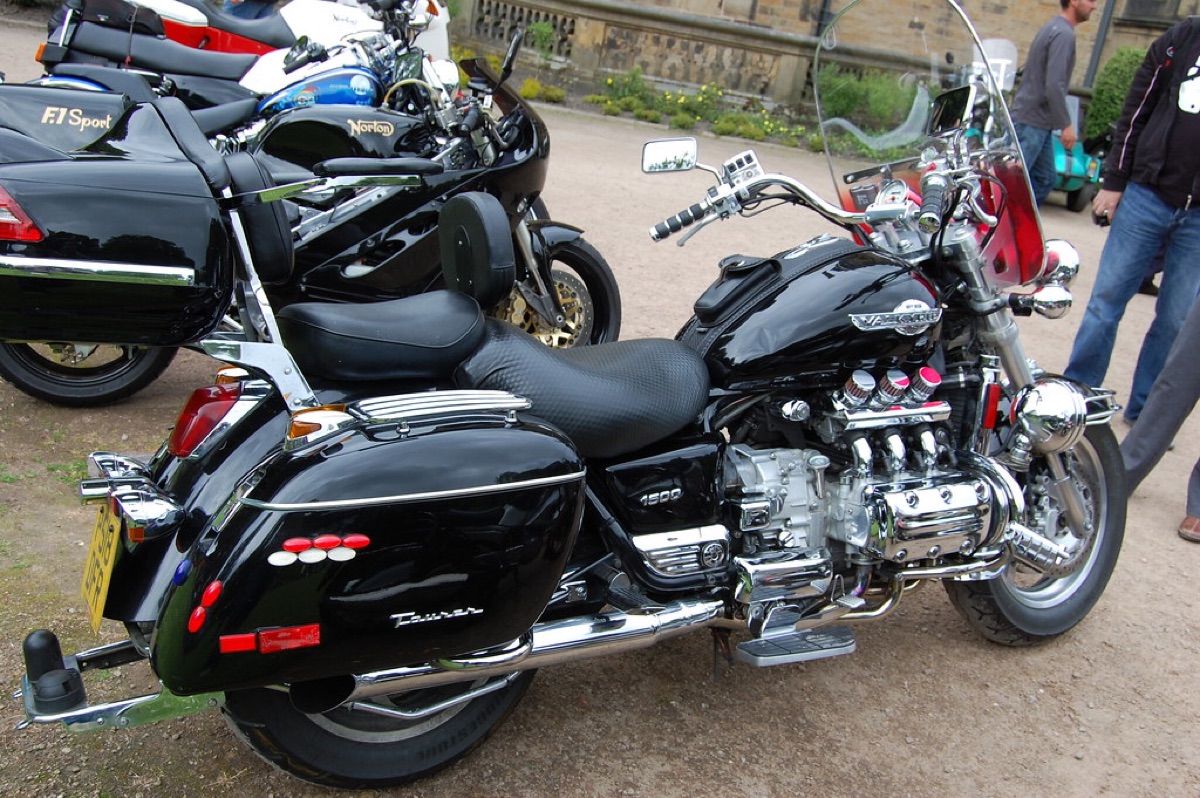
New riders from the sportbike world often get tripped up by Harley’s spec sheets. If you compare a 1,800cc Milwaukee-Eight to a 600cc liter-bike, the sportbike will win on horsepower every time.
But in the cruiser world, horsepower is secondary; torque is king. Cruising isn't about winning drag races or hitting 180 mph on a track.
It’s about effortless acceleration and passing power without constant downshifting. Harley-Davidson engines are tuned to dump maximum torque into the rear wheel at very low RPMs.
This provides "reserve power" that makes riding through mountain passes feel incredibly smooth. Industry analysts often note that cruiser buyers prioritize "ride quality" over peak velocity.
You can see this in technical data: the torque peak on a Harley is positioned much lower in the rev range than on a Japanese inline-four. However, there is a trade-off. This high-torque setup means these bikes aren't meant for flicking through tight S-curves like a Ninja.
What does the market data say about cruiser dominance?
Why do heavy, chrome-laden cruisers continue to dominate the American landscape? The numbers tell a compelling story of lifestyle branding.
According to Statista’s 2023 motorcycle market reports, the cruiser and touring segments remain some of the most profitable categories globally, particularly in North America. Unlike sportbikes, Harley-Davidson maintains a remarkably stable market presence.
If you look at long-term Google Trends data from 2024, you'll see that while specific high-performance models may spike and fade, "Harley-Davidson" search volume remains a consistent, steady line.
This indicates that Harley isn't just selling a product; they have built a permanent fandom. While MotoGP might capture the eyes of spectators, the cruiser segment captures the actual time and loyalty of riders on the highway.
| Feature | Sportbike Focus | Harley Cruiser Focus |
|---|---|---|
| Primary Metric | Peak Horsepower (HP) | Low-end Torque (lb-ft) |
| Engine Character | High-revving, screaming | Low-revving, thumping |
| Riding Goal | Cornering speed & Agility | Stability & Long-distance comfort |
| Maintenance | Precision/Frequent | Heavy-duty/Customizable |
Maintenance and the art of Customization
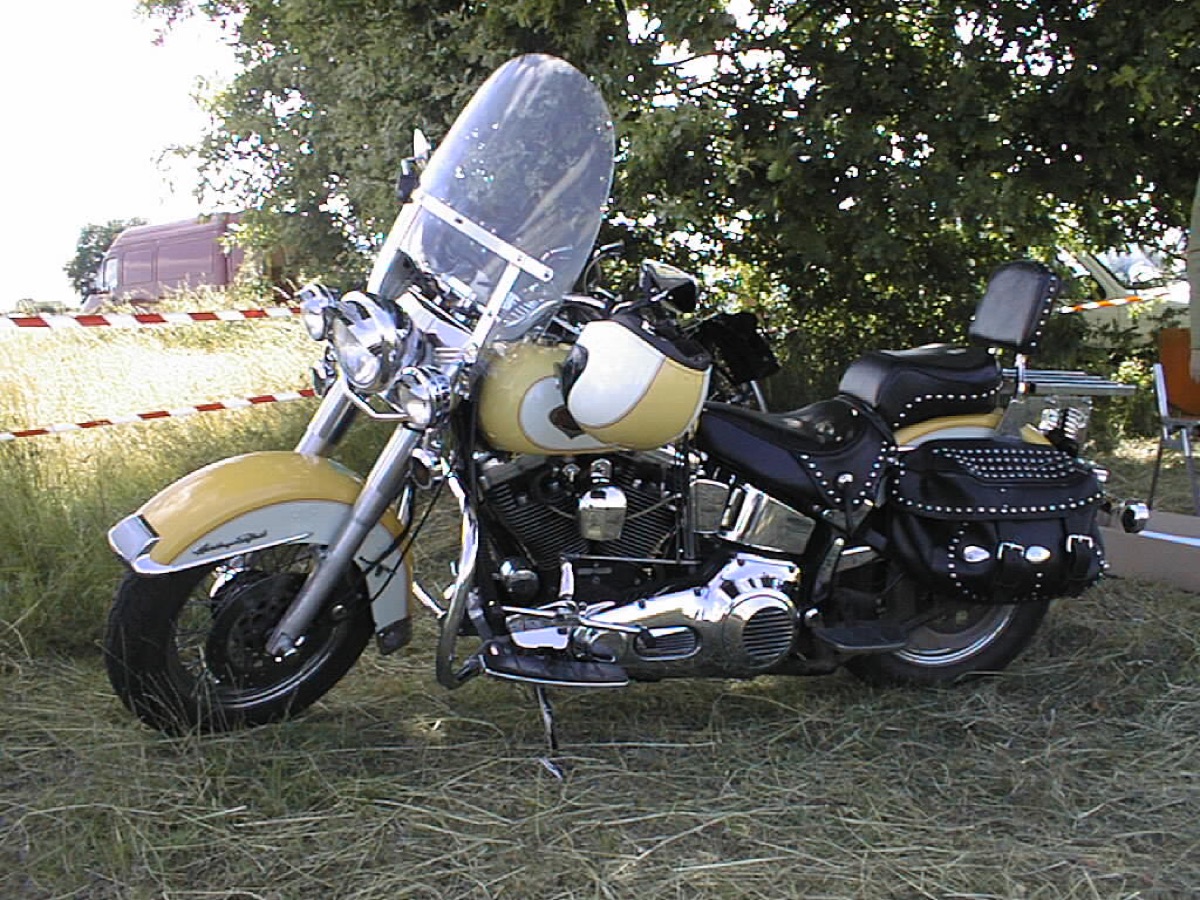
For a Harley rider, the purchase is often just the beginning. The "real" bike is the one you build yourself. Harley-Davidson boasts perhaps the largest aftermarket ecosystem in the motorcycling world.
Whether it's upgrading to a high-flow exhaust or swapping handlebars for a more relaxed reach, the options are endless. Most riders find themselves "tuning" their bike within the first year of ownership.
This culture also makes maintenance accessible. Because there is such a massive footprint, you can find a specialized Harley technician in almost any small town across the United States.
A word of caution for the DIY enthusiast: excessive modifications can impact engine cooling and electrical loads. To keep your ride capable, it is always best to stick with reputable brands and stay mindful of service intervals.


Comments 0