Motorcycle Safety Guide: 800 Tips for Riders
"Safety is not a destination but a continuous practice of preparation and awareness."
Motorcycle riding safety requires a combination of high-quality protective gear, constant situational awareness, and strict adherence to road regulations to mitigate risks.
This guide covers essential gear, the importance of managing road hazards, and practical steps for maintaining a safe riding environment.
Key takeaways: 1. Prioritize impact-resistant gear to protect against collisions. * Stay vigilant regarding roadway debris and non-fixed objects. * Maintain equipment regularly to prevent mechanical or fire-related failures.
How to manage motorcycle riding safety?
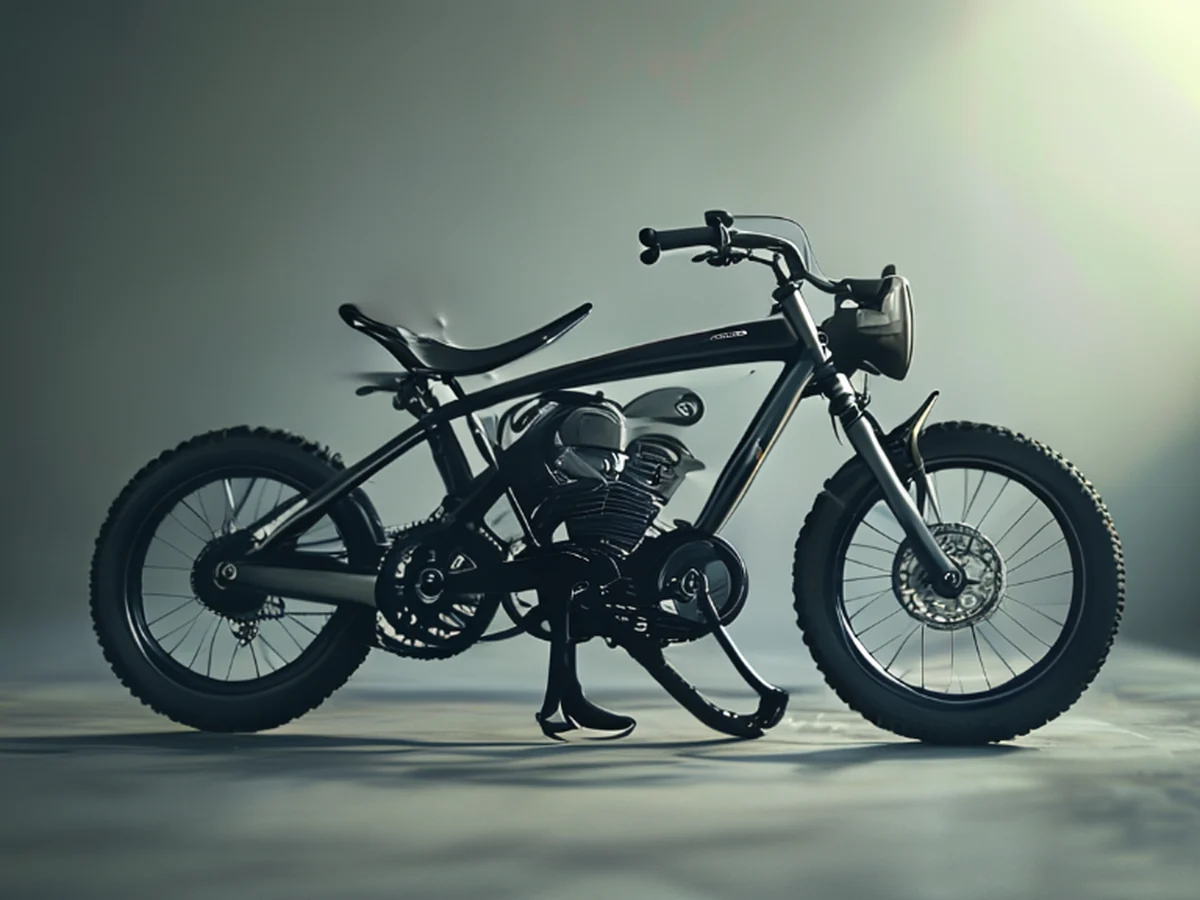
At sunrise, he tightens his grip on the handlebars while scanning the winding mountain road to maintain his motorcycle riding safety.
A rider pulls on a heavy leather jacket and snaps a helmet strap, preparing for the journey ahead. Achieving consistent motorcycle riding safety involves understanding that the road environment is often unpredictable and requires proactive defense.
Effective motorcycle riding safety begins with the rider's immediate surroundings and personal protection. While gear provides a physical barrier, mental readiness allows for quicker reactions to sudden changes in traffic or road conditions.
The goal is to minimize vulnerability by anticipating hazards before they become emergencies. Riders must balance the thrill of the ride with a disciplined approach to risk management.
Why is motorcycle gear importance so high?
At dawn, he pulls on a thick jacket and feels the heavy weight of his leather armor, knowing that his motorcycle gear is his only shield.
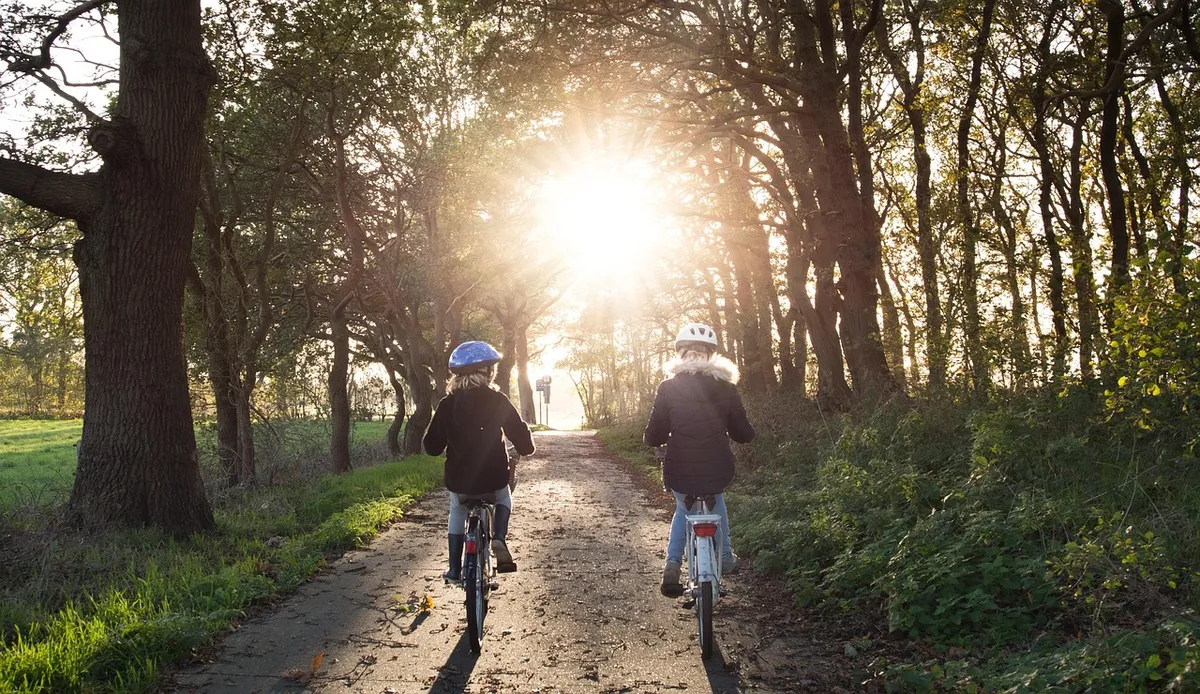
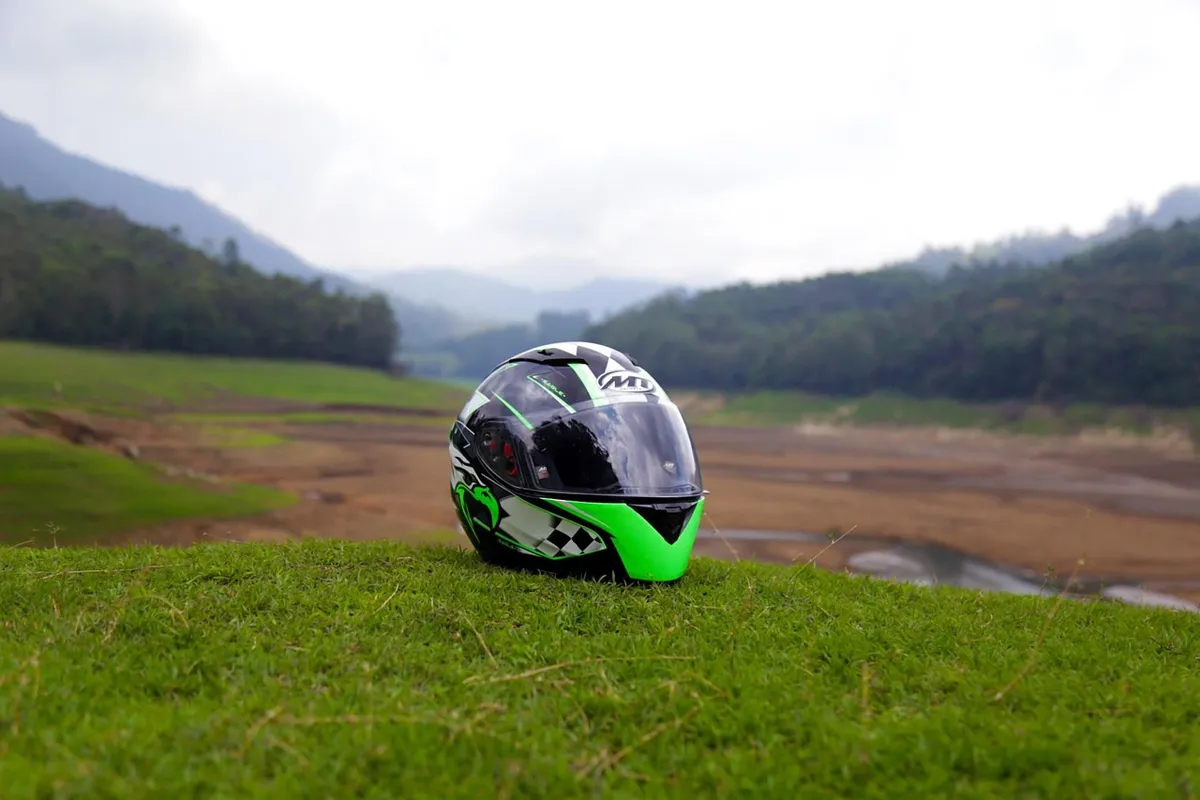
A rider inspects a helmet for cracks and checks the thickness of gloves before heading out. Understanding motorcycle gear importance is critical because gear serves as the primary line of defense during an accident.
Protective equipment is designed to absorb energy and prevent direct contact with the ground or other vehicles. Selecting gear that meets specific safety standards ensures that the materials can withstand real-world impact forces.
Using specialized clothing helps prevent abrasions and protects vital organs during a slide. Investing in quality gear is a fundamental step for anyone operating a two-wheeled vehicle.
What are the risks of roadway debris?
A cyclist swerves suddenly to avoid a piece of metal lying in the middle of the lane. Identifying potential hazards is a core part of safe riding practices.
The presence of unexpected objects on the road can lead to loss of control or sudden braking. According to the National Highway Traffic Safety Administration's Traffic Safety Facts, over 800 persons were killed across the US by "non-fixed objects" that includes roadway debris in 2011.
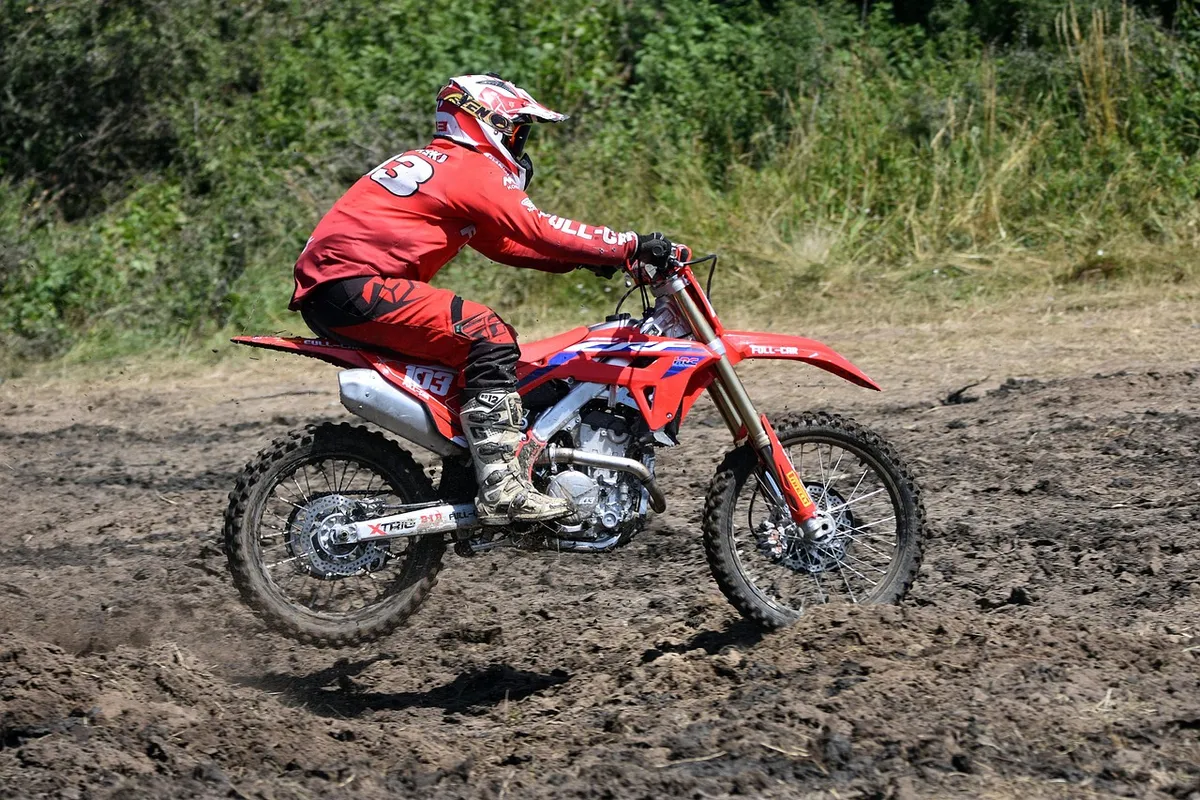
Avoiding these objects requires constant scanning of the road surface ahead. Sudden maneuvers to avoid debris can lead to secondary accidents if not handled with precision.
How to implement safe riding practices?
A rider checks the tire pressure and adjusts the mirrors before merging into traffic. Developing a routine of safe riding practices helps build muscle memory and reduces cognitive load while riding.
To maintain a high standard of safety, follow these three steps:
- Perform a pre-ride inspection of all mechanical components, including brakes, lights, and tires. 2. Wear full-coverage protective gear, including a helmet, gloves, boots, and abrasion-resistant clothing. 3. Maintain a safe following distance and scan the environment at least twelve seconds ahead.
After completing these steps, perform a final check of your surroundings and gear fitment. I always ensure my helmet is snug and my gloves provide enough tactile feedback before I start the engine.
What are the challenges of electric vehicle safety?
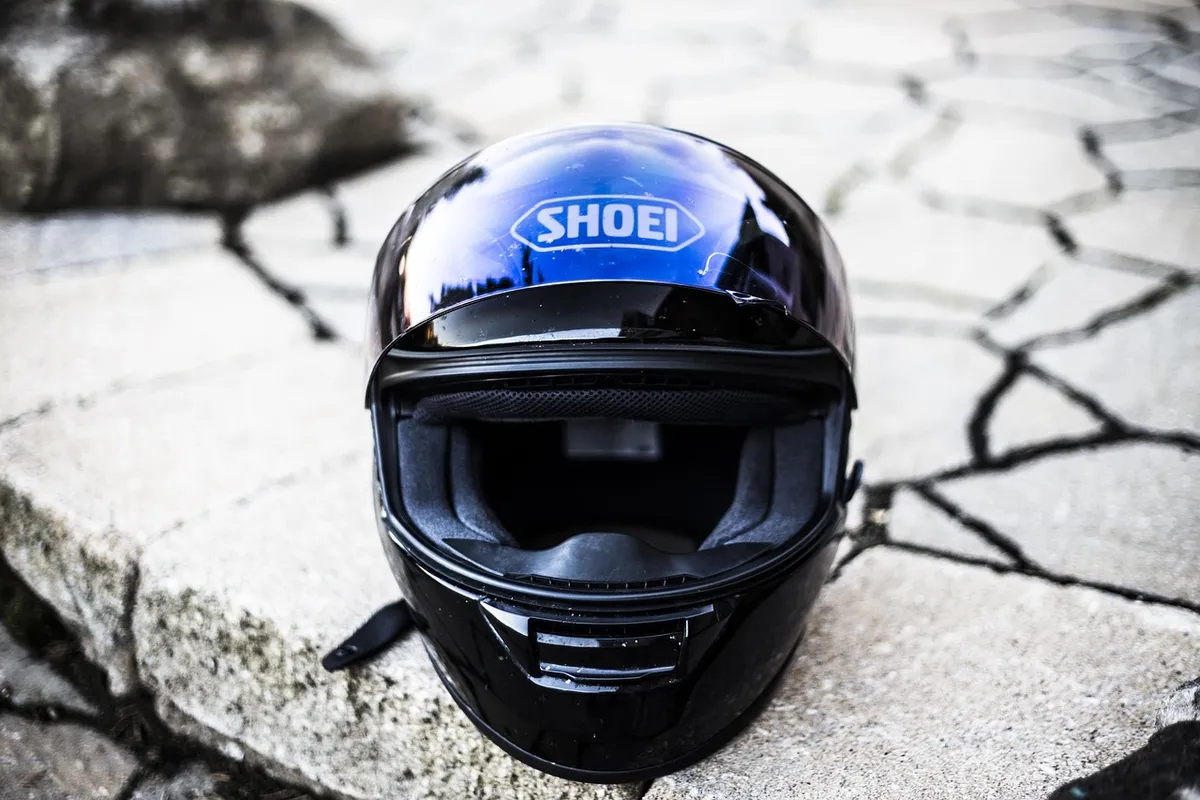
A rider checks the battery compartment of an electric scooter for signs of heat or damage. Improving riding safety involves being aware of the specific risks posed by modern electric mobility.
According to the National Fire Protection Association, the challenges of e-bike and e-scooter fire safety are a significant concern.
Electric bikes and scooters present unique challenges, particularly regarding battery stability and thermal management. The National Fire Protection Association (NFPA) discussed the challenges of e-bike and e-scooter fire safety in 2022.
Understanding these specific risks is necessary for riders using electric motorcycles or scooters. Keeping the battery system in good condition is a vital part of managing these modern hazards.
How does regulation affect road safety?
A driver observes a local traffic sign while a motorcyclist follows the lane markings. A safe riding culture is often supported by clear regulations and state-level safety standards.
The National Highway Traffic Safety Administration provides guidance on road safety matters.
Regulations provide a framework that helps standardize behavior and equipment quality across different regions. The State of Safety Report from the National Safety Council released in 2017 ranks states on these road safety regulations.
Following these rules helps ensure that all road users can predict each other's movements. A structured approach to riding helps keep the entire community safer.
- How to manage motorcycle riding safety?
- Why is motorcycle gear importance so high?
- What are the risks of roadway debris?
The same subject is also called Riding safety tips.
The same subject is also called Protective gear guide.
Essential riding gear
Related
- Motorcycle Tips Why Torque Matters More Than Horsepower
- Cruiser Guide: How to Pick the Best Bike for Your Ride
When is safety a continuous practice? Safety is not a destination, but rather an ongoing commitment to vigilance and preparation. This continuous practice acknowledges that the road environment presents variables that demand constant attention from the operator.
This ongoing awareness extends beyond simply wearing protective gear; it involves mentally preparing for potential failures in mechanical systems or unforeseen actions by other drivers. The rider must treat the journey as a dynamic sequence of potential variables requiring management.
This commitment to safety ensures that the rider remains mentally engaged throughout the ride, rather than becoming complacent once the journey has begun. This proactive mindset is key to mitigating risk.
What is the role of awareness in achieving safety? Situational awareness acts as the rider's most crucial defense mechanism against the unpredictable nature of the road. It allows the rider to process incoming data about the environment and respond appropriately before a minor issue escalates into a major incident.
By maintaining high awareness, the rider can anticipate the presence of debris or changes in traffic patterns, allowing time to execute a controlled avoidance maneuver. This contrasts sharply with a reactive state where the rider is only responding to immediate danger.
This mental readiness is what bridges the gap between having good equipment and successfully navigating a hazardous situation. It transforms potential danger into a manageable variable.



Comments 0