Motorcycle Tips Why Torque Matters More Than Horsepower
While horsepower represents the rate at which work is done, torque is the actual force that gets your mass moving from a standstill. The high-performance motorcycle market is shifting toward precision engineering and integrated technology, making the choice between a raw power-focused sportbike and a sophisticated touring machine more critical than ever.
"Efficiency is not about how much you can squeeze out of a machine, but how much of that power translates to the asphalt beneath your tires."
This guide explores the technical nuances of top-tier motorcycle segments, the engineering behind engine output, and how to select a machine that matches your riding style.
* Understanding the relationship between torque and horsepower for different riding environments. * Differentiating between sport, cruiser, adventure, and touring segments. * Evaluating how engine displacement and tuning affect real-world usability. * Navigating the trade-offs between weight, power delivery, and technological intervention.
Why does torque feel different from horsepower?
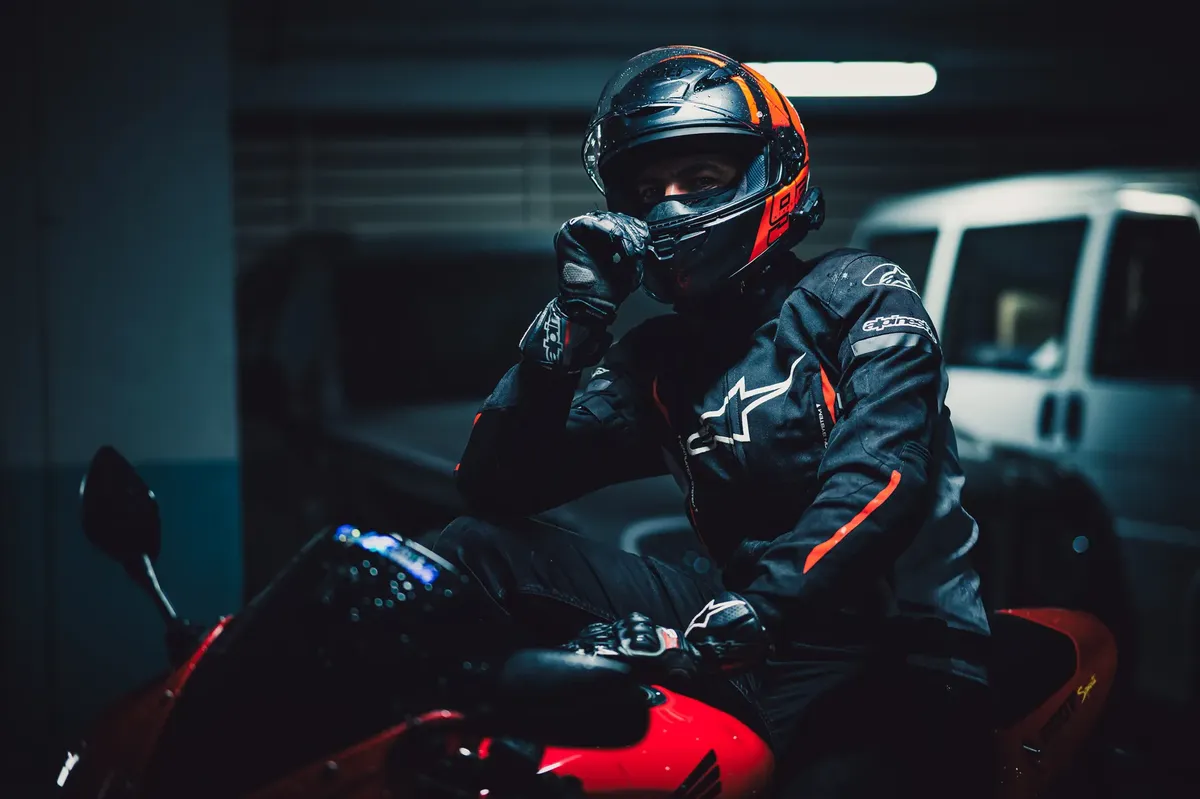
In the morning I hold motorcycle and walk through the next step.
Standing at a stoplight on a rain-slicked street, the sudden surge of a mid-range engine can feel entirely different from the high-RPM scream of a liter-class superbike.
According to the National Fire Protection Association, understanding power delivery is vital as they addressed the challenges of e-bike and e-scooter fire safety in 2022.
According to the National Highway Traffic Safety Administration, in 2011, over 800 persons were killed across the US by non-fixed objects such as roadway debris.
In the context of motorcycle dynamics, horsepower determines your top-end speed and how much work the engine can do over time, whereas torque provides the immediate "pull" that characterizes acceleration.
For a rider navigating heavy city traffic or steep mountain passes, a high torque-to-weight ratio often proves more useful than a massive peak horsepower figure that only becomes relevant at much higher speeds.
When selecting a motorcycle, you must consider your primary riding environment.
A machine designed for highway cruising will prioritize low-to-mid-range torque to maintain effortless momentum, while a track-focused sportbike relies on peak horsepower at the top of the rev range to achieve maximum velocity.
Think of torque as the initial shove that gets you moving and horsepower as the sustained strength that keeps you accelerating at high speeds.
How do I choose between a cruiser and a sportbike?
In the evening I hold motorcycle and walk through the next step.
Leaning forward over a clip-on handlebar while feeling the wind-blast against your chest is a starkly different sensation than sitting upright with feet forward on highway footpegs.
As noted in the State of Safety Report from the National Safety Council released in 2017, different riding styles are often ranked based on various road safety regulations.
The choice between these two archetypes dictates not just your riding posture, but the entire mechanical character of your journey.
The primary difference lies in the engine tuning and chassis geometry. Sportbikes are engineered with a high power-to-weight ratio and aggressive geometry to maximize cornering agility and lean angles.
Their engines are typically tuned for high-RPM performance, which requires more constant shifting and active rider input to stay in the powerband.
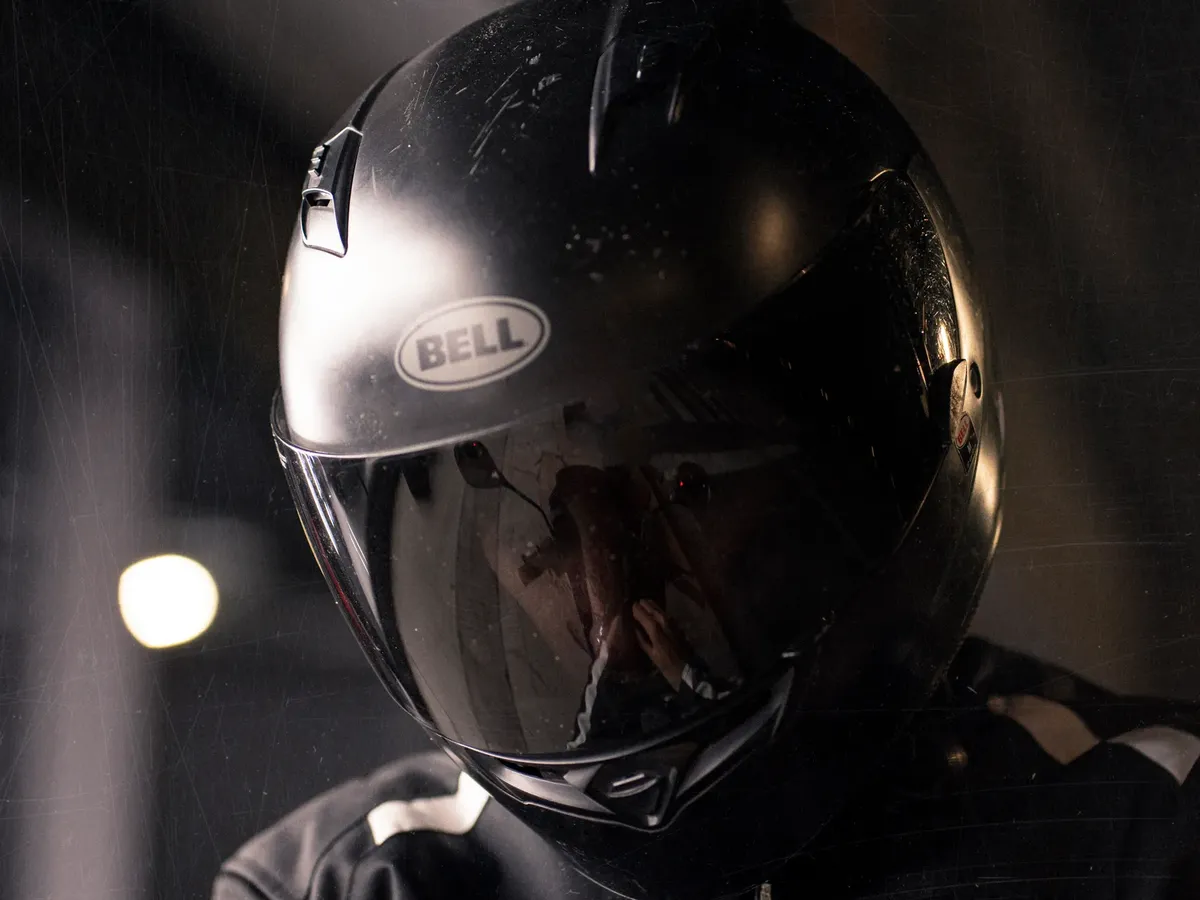
Conversely, cruisers focus on low-end torque and stability. They often feature larger displacement engines designed to deliver consistent power at low engine speeds, allowing for relaxed cruising without constant gear changes.
While a sportbike excels at carving through tight technical turns, a cruiser priorits the stability and comfort required for long-distance highway riding.
- Assess your primary riding environment (tight urban streets vs. open highways). 2. Evaluate your physical comfort requirements regarding seating position and ergonomics. 3. Determine your preference for aggressive acceleration versus relaxed, steady cruising.
I remember the first time I transitioned from a heavy cruiser to a lightweight sportbike; the sudden lightness of the chassis made the road feel entirely different, demanding a much more active riding style.
- Evaluate your preferred riding posture and comfort level.
- Determine if you prioritize relaxed cruising or aggressive cornering.
- Assess how much weight you are willing to manage in traffic.
In this order, the second step is the most significant.
What makes an adventure bike suitable for long distances?
Adjusting a heavy pannier while looking up at a gravel-strewn mountain pass requires a machine that balances ruggedness with ergonomic versatility.
Adventure motorcycles are designed to handle the unpredictability of varied terrain without sacrificing the ability to cover hundreds of miles on pavement.
Adventure bikes are built on a philosophy of versatility, combining long-travel suspension with upright, commanding ergonomics. This setup allows riders to maintain visibility and comfort during long stints in the saddle.
The chassis is typically reinforced to handle off-road vibrations, and the engine tuning often sits in the middle ground—providing enough torque for technical trails while maintaining enough horsepower for highway speeds.
The versatility of the adventure segment comes from the marriage of rugged components and modern electronics.
Features like advanced traction control, various ride modes, and electronic suspension adjustment allow the rider to transform the bike's character from a soft, compliant off-roader to a more stable road-biased tourer at the touch of a button.
The combination of upright ergonomics, large fuel capacity, and long-travel suspension allows riders to tackle diverse terrain without constant fatigue.
Can a touring motorcycle handle technical roads?
The weight of a fully loaded touring machine can feel substantial when approaching a series of tight, winding switchbacks on a coastal highway. While these bikes are built for the long haul, their sheer mass and geometry present unique challenges during spirited riding.
Touring motorcycles are designed with a focus on stability, wind protection, and rider amenities. They feature large fairings, substantial fuel capacities, and often utilize shaft drives to reduce maintenance.
The chassis is longer and more stable, which is ideal for straight-line cruising but can make the bike feel cumbersome in tight, technical corners.
While they may not match the agility of a sportbike, modern touring machines use sophisticated electronics to mitigate their weight. Electronic damping and torque-vectoring-like features help manage the mass, making them more capable on winding roads than their sheer size might suggest.
The trade-off is always between the ultimate comfort of the tourer and the nimble precision of a lighter machine.
While they offer stability, the heavy weight and wide turning radius of a touring bike can make tight, winding roads more physically demanding.
How do engine displacement and power delivery affect riding?
Feeling the engine pull under you during a sudden lane change requires a predictable and smooth power delivery, regardless of the specific displacement.
The relationship between how much engine volume you have and how that power is delivered is one of the most critical aspects of motorcycle ownership.
Displacement refers to the total volume of the cylinders in the engine, which generally dictates the potential for power.
However, a large-displacement cruiser may produce less peak horsepower than a small-displacement sportbike, yet it will feel much more powerful at low speeds due to higher torque.
This is because the larger engine can produce significant force without needing to spin at extremely high revolutions per minute.
Understanding the "powerband" is key. A small-displacement, high-revving engine has a narrow powerband, meaning you must keep the engine in a specific RPM range to get maximum performance.
A larger-displacement engine often has a wider powerband, offering more usable power across a broader range of speeds, which makes it easier to manage in real-world riding scenarios.
| Feature | Sportbike | Cruiser | Adventure |
|---|---|---|---|
| Primary Focus | Cornering/Speed | Comfort/Style | Versatility/Terrain |
| Engine Character | High-RPM Power | Low-end Torque | Balanced Mid-range |
| Riding Position | Aggressive/Leaned Forward | Relaxed/Upright | Commanding/Neutral |
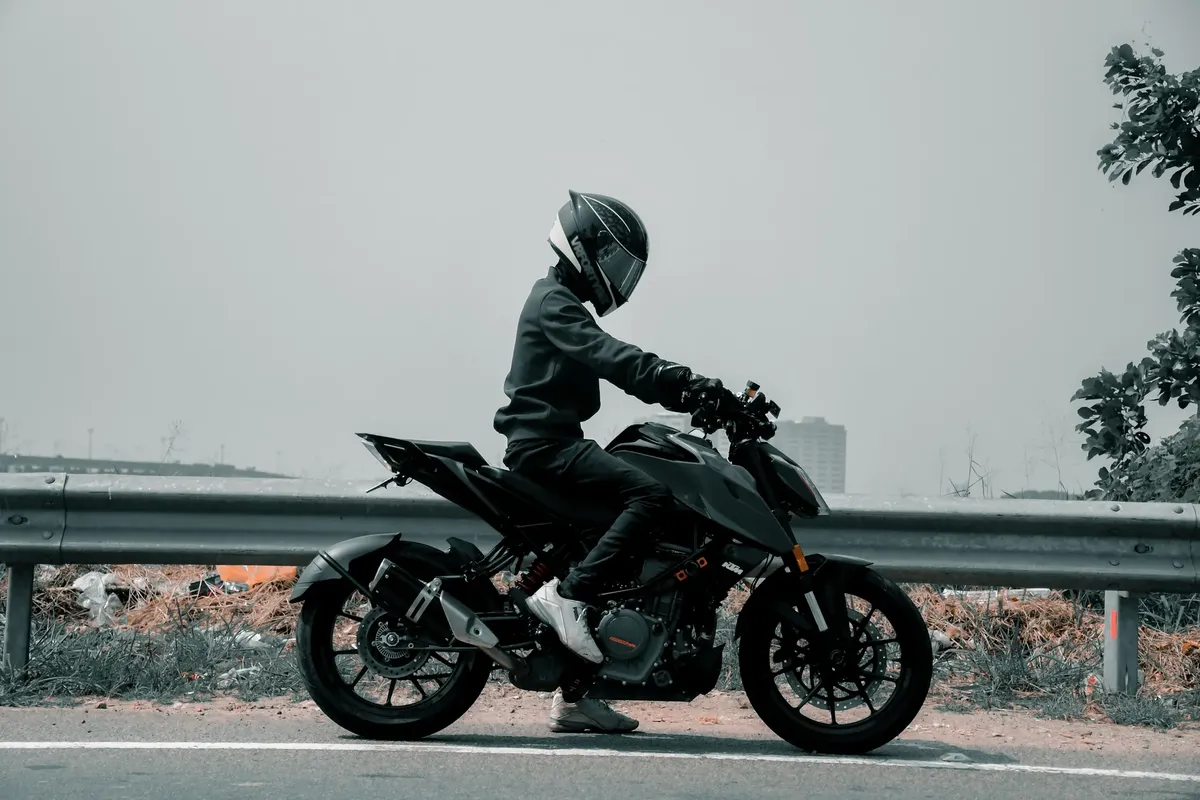
Larger displacement typically offers more low-end grunt, while smaller engines often require higher RPMs to find their power band.
What are the limitations of choosing a specialized bike?
Riding a track-focused machine on a long-distance tour can lead to physical fatigue and mechanical concerns. Every specialized motorcycle has a specific design intent that can become a drawback when used outside of its intended environment.
The main limitation of any specialized motorcycle is the compromise made to achieve its primary goal. A sportbike's aggressive ergonomics, while great for control, can cause discomfort during long-distance travel.
Similarly, a heavy cruiser may struggle with fuel range or maneuverability on narrow, unpaved trails.
It is important to recognize that a bike optimized for one task is often compromised in another. When choosing a motorcycle, you must decide which compromises you are willing to live with based on your actual riding habits.
A bike designed for a specific purpose often sacrifices versatility, meaning a dedicated track bike is impractical for commuting and a dedicated dirt bike is cumbersome on highways.
When I tried the steps in order, the second one is where I paused longest.
Related

Comments 0