Motorcycle how 800cc change race handling and performance
For a Motorcycle, speed is a fleeting moment of perfection, but the engineering behind it is eternal. For instance, the transition from 990cc to 800cc was a move toward higher cornering speeds and more precise handling. The transition from much larger engines to more refined, smaller displacements changed the very nature of motorcycle racing.
The pursuit of breaking the 200 mph barrier requires more than just courage; it demands a perfect synergy of fuel management, weight distribution, and raw engine power.
For riders and enthusiasts, understanding how these technical shifts shaped the legendary era of racing provides a blueprint for appreciating modern high-performance motorcycles.
* How engine capacity changes dictate handling characteristics. * The impact of fuel restrictions on race strategy and rider endurance. * The relationship between weight adjustments and four-cylinder performance. * Historical context of the Hockenheimring speed records.
How did the shift to 800cc change the Motorcycle race? In the morning I hold motorcycle and walk through the next step.
The roar of a high-revving engine echoes through the grandstands as a rider leans into a sharp corner at a legendary circuit. To understand the evolution of speed, one must look at how changing engine capacities fundamentally altered the way motorcycles were built and ridden.
According to the Fédération Internationale de Motocyclisme (FIM) Road, the 2014 FIM MotoGP World Championship served as the premier class of the 66th season.
This change forced engineers to focus on power-to-weight ratios and electronic management rather than sheer displacement.
When the rules changed, the bikes became more agile but also required a completely different riding style. Riders could no longer rely on brute force to exit a corner; they had to maintain momentum through precise throttle control.
This era of racing turned the focus toward technical mastery over raw displacement, setting the stage for the modern era of super sports.
Why did fuel restrictions matter so much?
In the evening I hold motorcycle and walk through the next step.
A rider sits on the starting grid, eyes focused on the lights, knowing that every drop of fuel consumed is a calculated risk. Managing the liquid lifeblood of a racing machine is one of the most difficult mental tasks a professional rider faces.
The technical constraints placed on fuel volume directly influenced how engineers designed engine maps and how riders managed their pace.

This reduction meant that every single liter had to be accounted for throughout the race distance.
This 5-liter reduction forced a massive shift in fuel injection technology and engine efficiency. Teams had to balance the desire for maximum power with the necessity of finishing the race without running dry.
It turned the race into a high-speed game of chess where fuel economy was just as important as the apex of a turn.
How did weight increases affect the riders?
The heavy vibration of a four-cylinder engine travels through the chassis, testing the strength of the rider's grip and the stability of the frame. Adjusting the weight of a machine is a delicate balance that affects everything from braking to lean angle.
When regulations change, the physical sensation of riding a motorcycle changes instantly. In the transition period of the mid-2000s, the minimum weight of four-cylinder bikes used by all participating teams was increased by 3 kg (6.6 lb).
This weight increase was intended to level the playing field and influence the competitive dynamics between different manufacturers.
This 3 kg increase meant that riders had to deal with more inertia during rapid direction changes. For a rider accustomed to a lighter, more flickable machine, this change required an adjustment in body positioning and braking force.
It tested the structural integrity of the bikes and the physical stamina of the riders who had to manhandle these heavier machines through technical sections.
What did it take to break the 200 mph barrier?
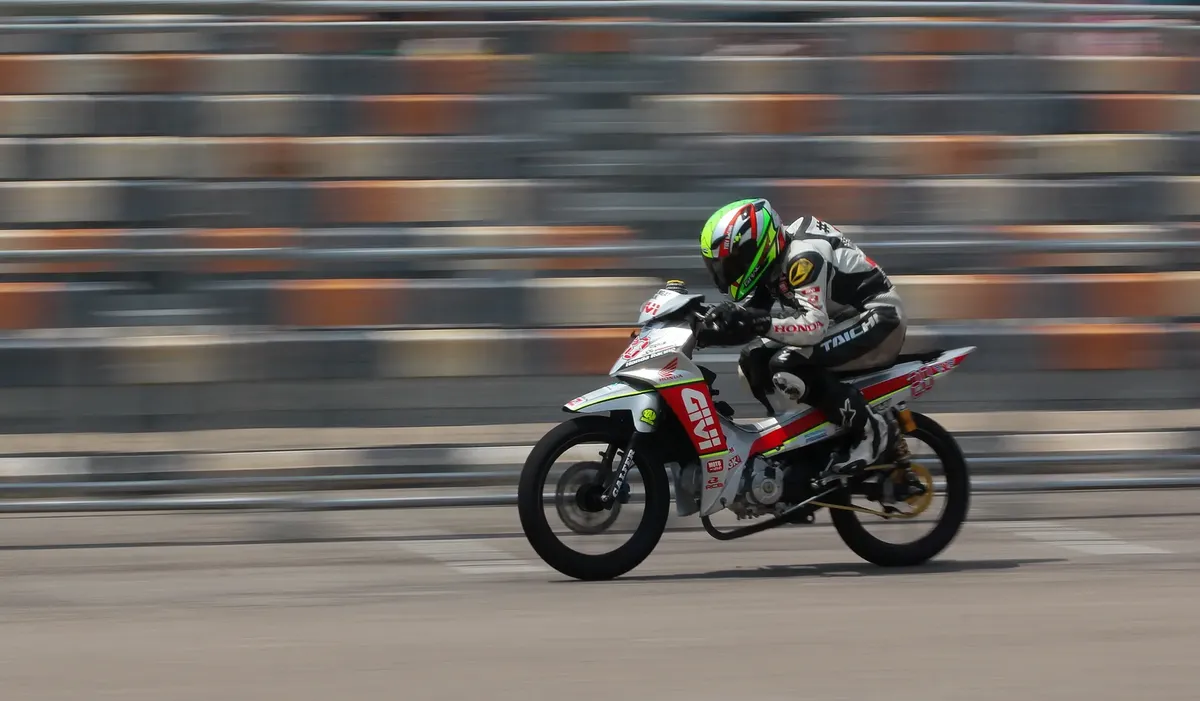
A blur of color streaks past the camera, the sound of the engine rising to a scream as the speedometer climbs toward a historic milestone.

Breaking the 200 mph barrier is the ultimate goal of any high-performance motorcycle project, representing the pinnacle of aerodynamic and mechanical engineering.
Reaching such extreme speeds requires a combination of aerodynamic efficiency and an engine capable of sustained high-RPM output. During the German GP on the Hockenheimring, the combination of a high-performance engine and a rider's bravery allowed for a breakthrough.
Ito and his fuel-injected NSR500 broke the 200 mph (320 km/h) barrier during the German GP on the Hockenheimring.
The use of fuel injection was a critical component in achieving this level of performance, allowing for more precise fuel delivery at high speeds. This breakthrough served as a testament to the advancements in electronic engine management.
It proved that even with changing regulations, the pursuit of speed could reach new, unprecedented heights through technological innovation.
How do we apply these racing lessons to road bikes?
A rider pulls into a parking lot after a long weekend trip, looking back at the machine that has carried them through hundreds of miles of winding roads.
While we don't race on tracks every day, the engineering lessons from the circuit directly influence the motorcycles available to the general public.
To apply the lessons of high-performance engineering to your own riding experience, consider these three steps:
- Understand the relationship between power and fuel efficiency to manage your own riding range. 2. Respect the importance of weight in handling by choosing a bike that suits your physical capability. 3. Appreciate the role of electronic rider aids which originated from these high-stakes racing developments.
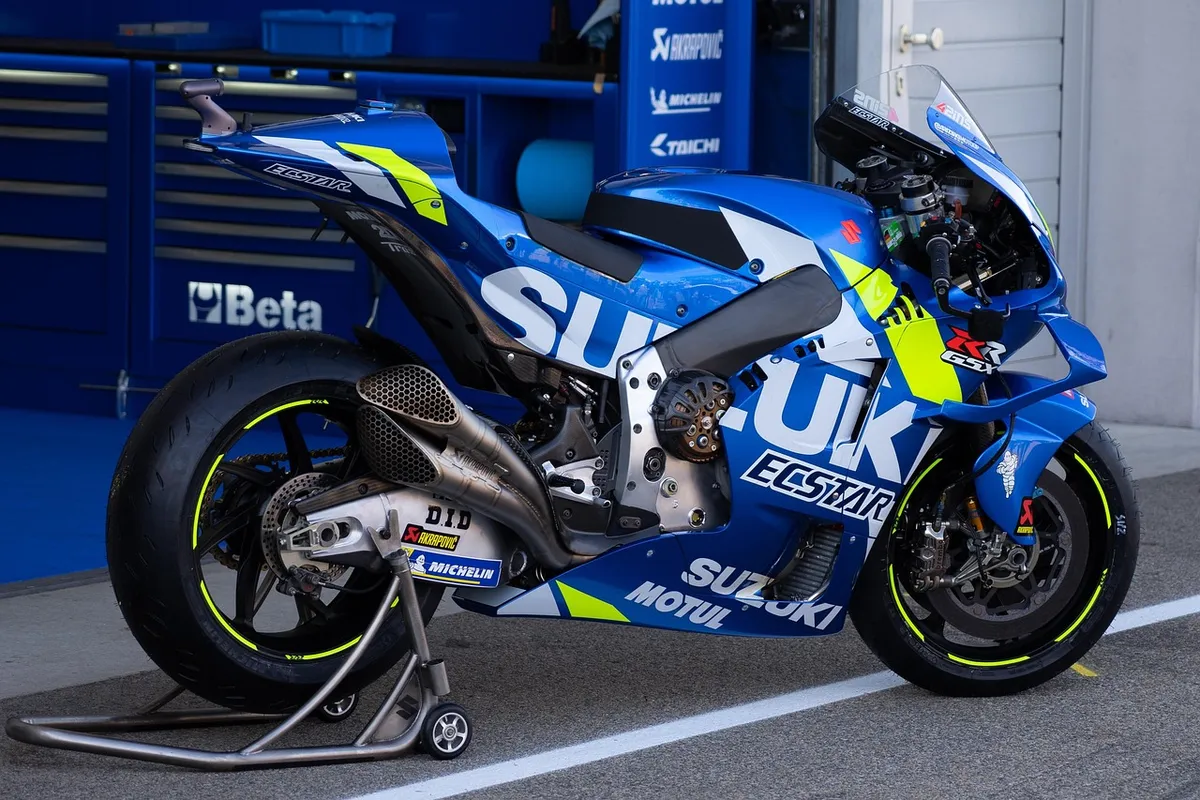
I remember when I first transitioned from a heavy cruiser to a high-performance sportbike; the difference in how the machine responded to throttle inputs was a direct lesson in the power-to-weight ratio.
By understanding these technical nuances, a rider can make much more informed decisions when purchasing or maintaining a motorcycle.
The limitation of these high-performance lessons is that they are often tested on smooth, high-grip surfaces like the Hockenheimring.
On real-world roads with varying temperatures and surfaces, the extreme power and weight-to-power ratios of racing-derived bikes can become difficult to manage safely.
This order does not hold, however, when the figure is not 320 km.
- How did the shift to 800cc change the race?
- Why did fuel restrictions matter so much?
- How did weight increases affect the riders?
| Item | Figure |
|---|---|
| 1 | 320 km |
| 2 | 26 litres |
Related

Comments 0