What role did fairing design play in performance?
This article examines the historical engine performance and design shifts within the BMW motorcycle lineage.
The evolution of high-performance engines involves balancing power output with aerodynamic design to achieve specific speed targets. This guide explores how displacement and configuration changes shaped touring capabilities and top-end performance.
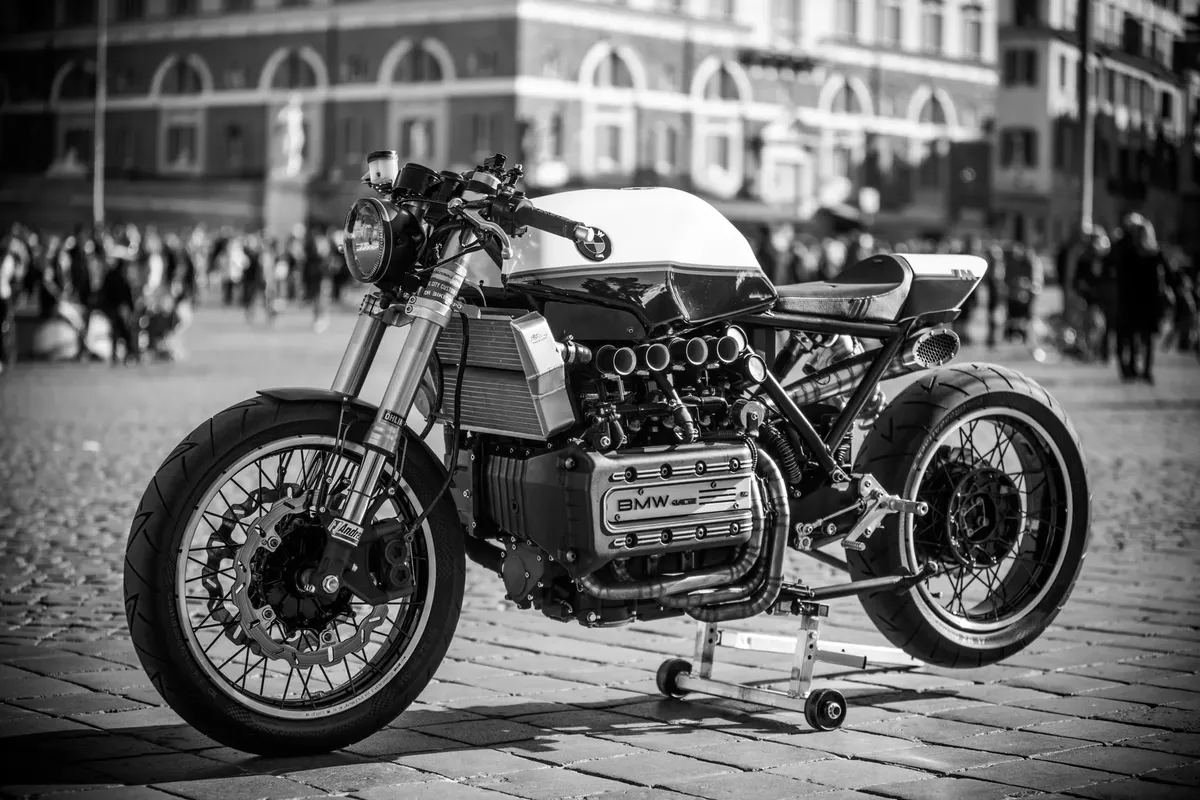
Key takeaways: * Historical racing models set long-standing speed records through specialized engine designs. * Full-fairing designs significantly influenced top speed and power delivery. * Engine configurations, such as four-cylinder and six-cylinder setups, defined different vehicle classes.
How did engine power impact top speed?
A rider grips the throttle of a vintage machine, feeling the immediate surge of mechanical energy. In historical racing contexts, specialized engines were built to push the boundaries of velocity.
According to historical records, one specific engine delivered 6.3 kW (8.5 hp), resulting in a top speed of 95 to 100 km/h (59 to 62 mph). Such output represents a baseline for early commuter-style performance.
In contrast, more advanced racing configurations pushed limits much further. A specialized 500 Kompressor racing motorcycle set a world record in 1937 with a top speed of 279.5 km/h (173.7 mph), a record that stood for 14 years.
- Increase the raw horsepower output.
- Optimize the power-to-weight ratio.
- Overcome aerodynamic drag at high velocities.
What role did fairing design play in performance? BMW K Series engine evolution
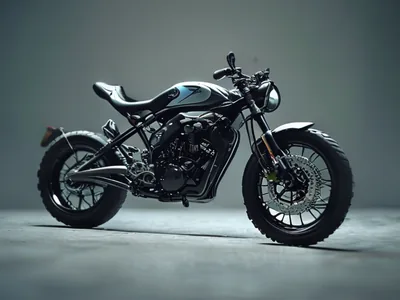
As the sun sets on the open highway, the rider tucks low behind the streamlined shell to see how the fairing's role affects the whistling wind.
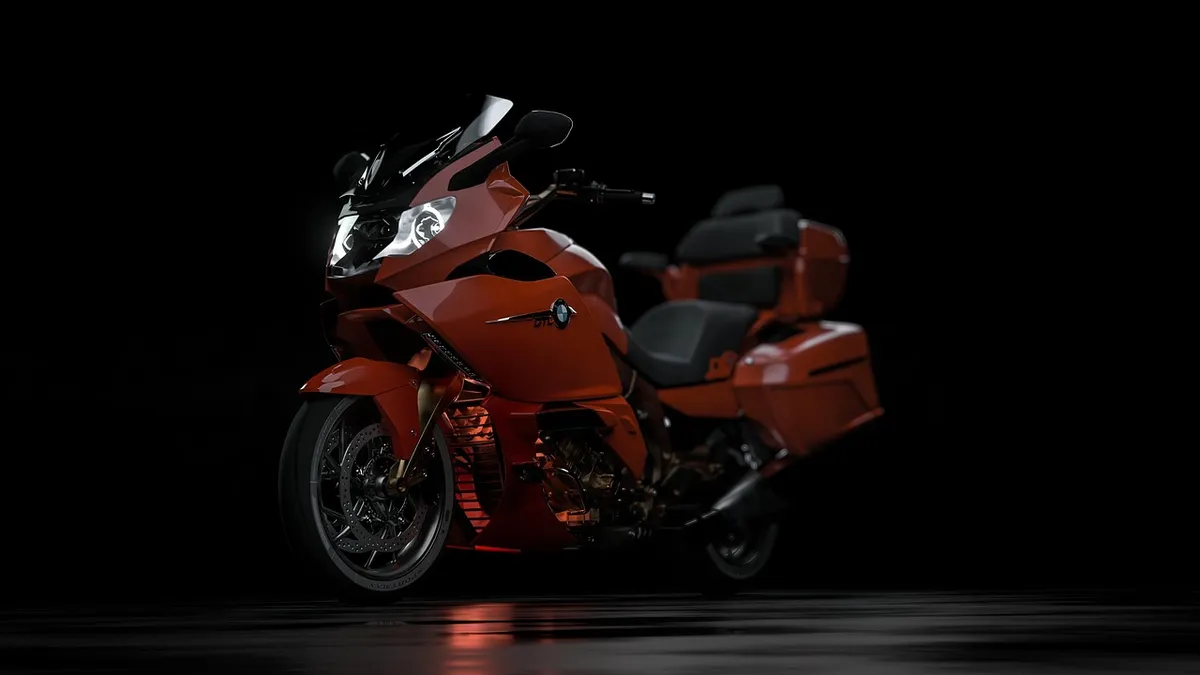
The wind whistles past a rider as they tuck behind a streamlined shell on a long stretch of highway. Aerodynamics often dictate the relationship between engine power and actual road speed.
One full-fairing design produced 51 kW (68 hp) and achieved a top speed of 200 km/h (124 mph). This demonstrates how bodywork works in tandem with engine output to overcome wind resistance.
The balance between stability and speed remains a central theme in touring development. By managing airflow, designers can utilize engine power more effectively for high-speed cruising.
In this sequence, the second step is the most significant.
How were engine configurations distributed?
A mechanic inspects a variety of engine blocks, noting the differences in cylinder counts and displacement. Understanding the diversity of engine types helps clarify how different models meet various riding needs.
By 2011, the production landscape showed a mix of fuel types, with about 56% of BMW-brand vehicles powered by petrol engines and the remaining 44% by diesel engines. This split reflects the technological transitions of that era.
Within the petrol-powered segment, the distribution of cylinder counts varied. About 27% of those vehicles were four-cylinder models, while about nine percent were eight-cylinder models, with the majority being six-cylinder engines.
What were the primary engine types used?
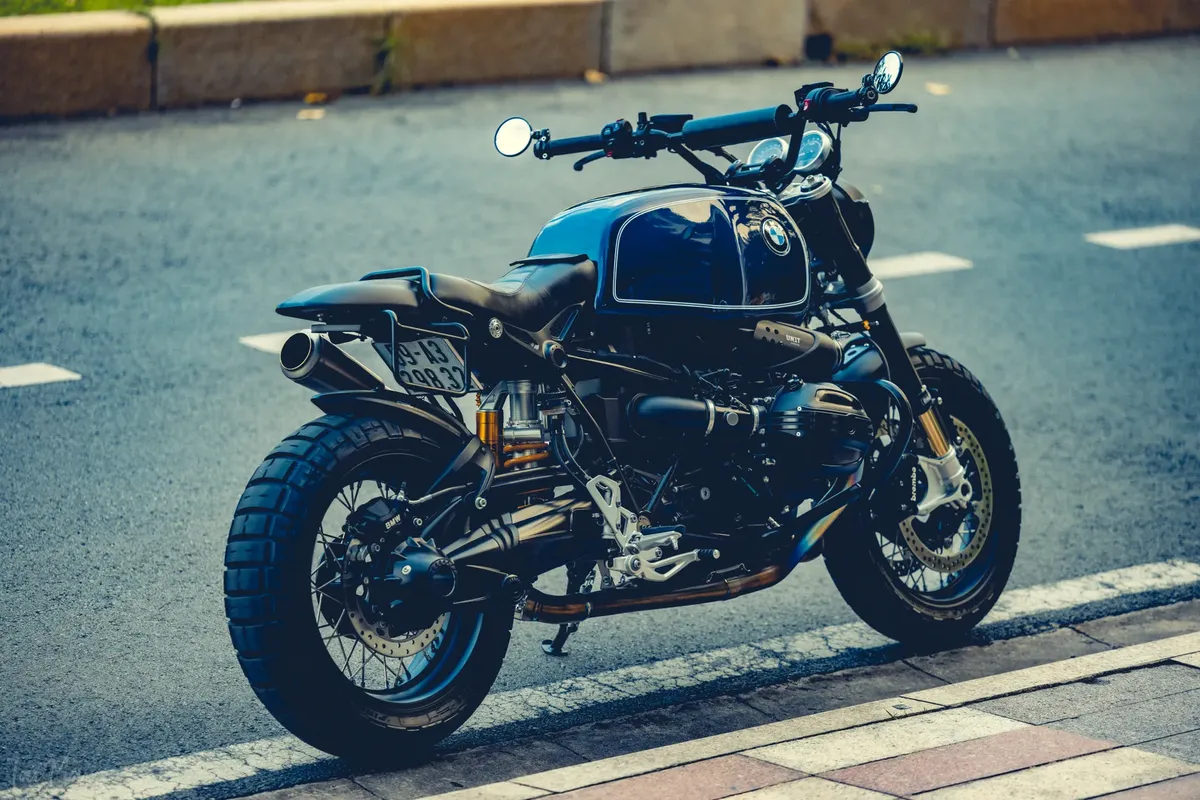
A technician adjusts the fuel injection on a modern turbocharged unit. Comparing different engine sizes reveals the specialized roles each displacement level plays in the lineup.
Different models utilize specific engine setups to balance efficiency and power. For example, some models use a 1.5 L three-cylinder turbocharged petrol engine with an electric motor, while others use a 2.0 L four-cylinder engine with an electric motor.
Other configurations include a 3.0 L six-cylinder engine paired with an electric motor. These variations allow for a range of performance levels, from efficient commuting to more robust touring capabilities.
How can one evaluate engine performance transitions?
An enthusiast compares two different technical spec sheets side-by-side. Evaluating how power and speed evolved requires looking at both raw output and the environmental constraints of the time.
| Feature | Low Power Model | High Power Model |
|---|---|---|
| Power Output | 6.3 kW (8.5 hp) | 51 kW (68 hp) |
| Top Speed | 95 to 100 km/h | 200 km/h |
I noticed that the jump in power significantly changes the intended use of the vehicle. The table shows how increasing the kilowatt output directly correlates with much higher top speeds.
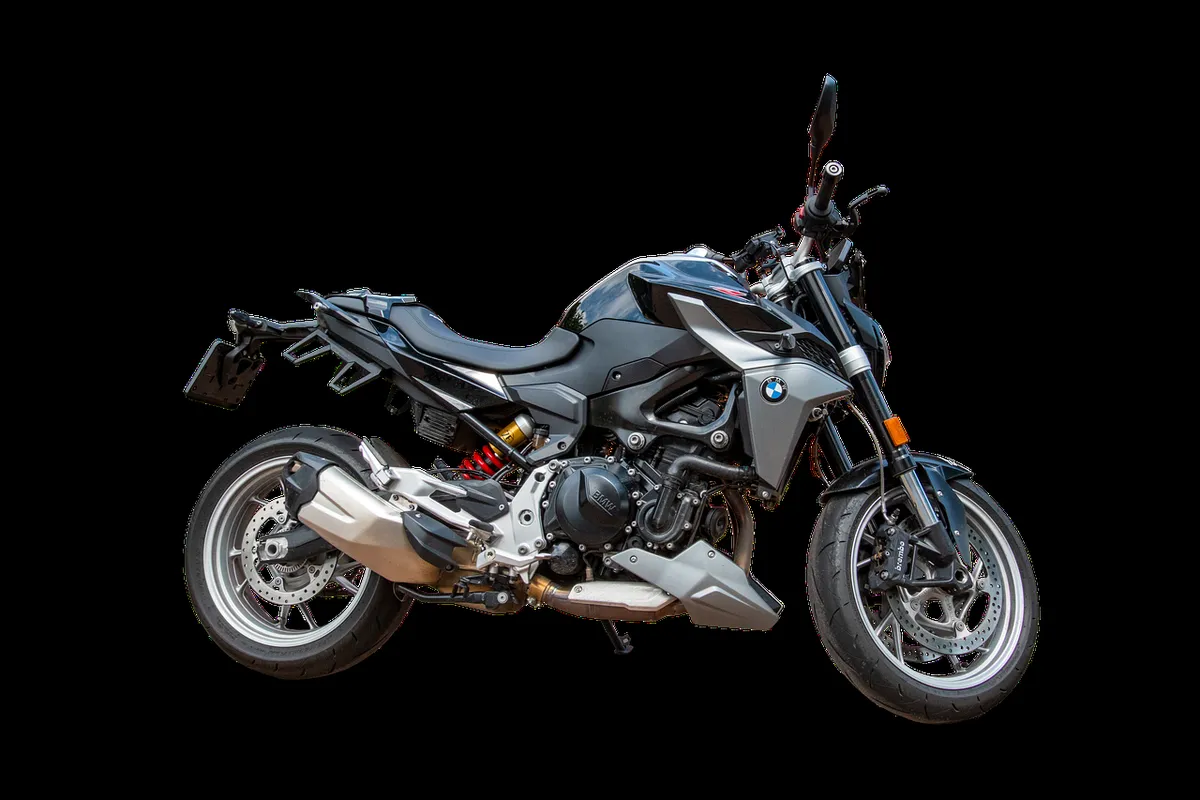
A limitation of this comparison is that it focuses on specific snapshots of historical data rather than a continuous technical progression.
The subject here is BMW K Series engine evolution.
The same subject is also called K Series displacement change.
The same subject is also called Touring model tech advance.
The same subject is also called K Series engine capacity.
The same subject is also called BMW K Series touring.
This part also covers Engine size comparison.
This part also covers Touring model specifics.
Related
How did aerodynamic considerations affect cruising efficiency?
The successful integration of bodywork into the motorcycle chassis directly influenced how efficiently the engine power translated into sustained road speed. A well-executed full-fairing design minimized drag encountered at higher velocities.
This reduced the sustained load on the powertrain while maintaining a high rate of forward movement.
The article examines how these design choices allowed the engine to operate closer to its optimal range during long-distance travel. The balance between minimizing air resistance and providing structural integrity was crucial for touring applications.
What factors influenced the choice of engine architecture?
The mechanical layout of the engine dictated its suitability for various market segments and performance goals. The specific need for high-speed endurance versus low-end torque determined the cylinder count and displacement pairing.
The article examines how these architectural decisions guided the development path for different models. For instance, a high-performance touring machine required different foundational engineering than a commuter unit.
This choice dictated the mechanical complexity and operational profile of the machine.



Comments 0