Harley vs Triumph: Which Cruiser Matches Your Ride?
"It is not just about the wind in your face; it is about the heartbeat of the machine beneath you."
Deciding between a Harley-Davidson and a Triumph cruiser often comes down to a choice between two distinct philosophies of motion. While Harley-Davidson offers a visceral, heritage-driven American experience, Triumph provides a sophisticated blend of British style and modern mechanical refinement.
* Soul vs. Spec: Harley-Davidson prioritizes raw, American character, while Triumph balances classic aesthetics with high-performance engineering. * Engine Philosophy: Harley-Davidson focuses on low-end torque and iconic V-twin vibrations; Triumph emphasizes smooth, modern power delivery. * Design Identity: Harley embodies rugged Americana, whereas Triumph blends vintage roadster DNA with contemporary cruiser lines. * The Deciding Factor: Choose Harley for "lifestyle presence" and Triumph for "refined cruising dynamics."
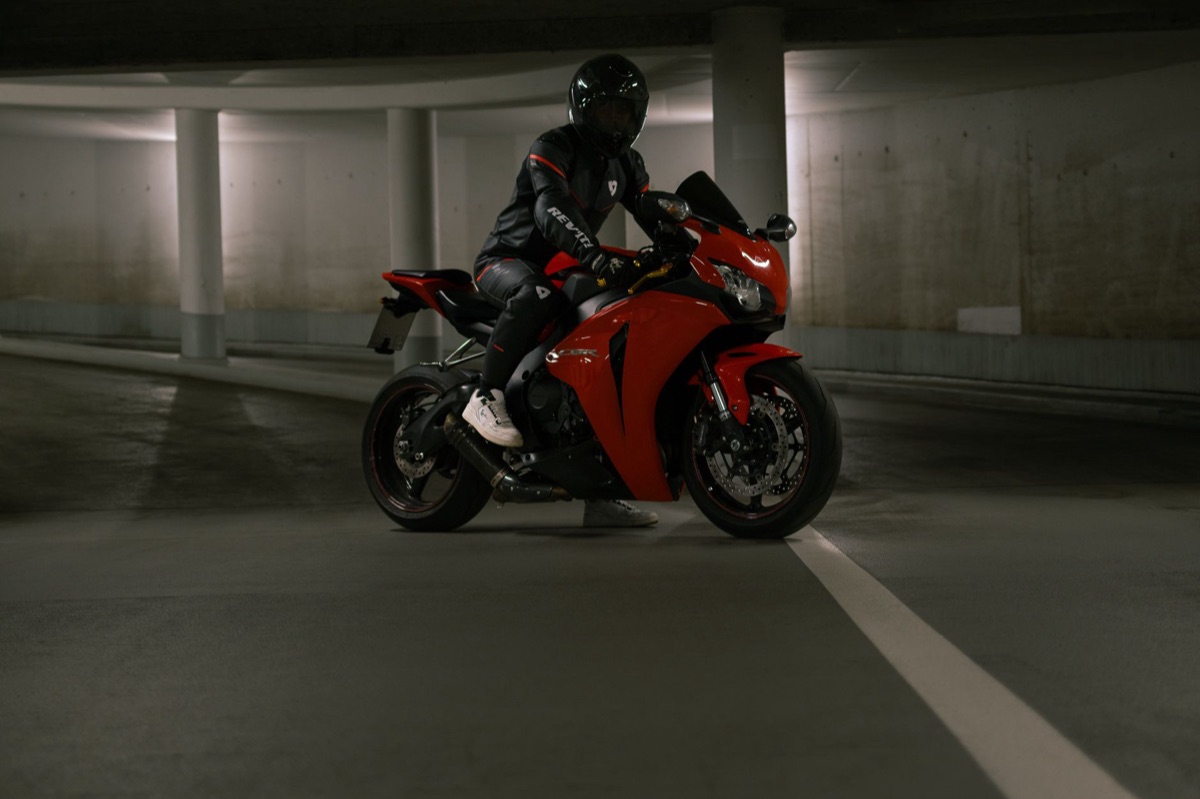
Why Choose Harley-Davidson? (The American Icon)
The sun beats down on a long stretch of Route 66 as the heavy chrome of a cruiser catches the light. You feel the heat rising from the asphalt and the steady, rhythmic thrum of a large-displacement engine vibrating through your boots.
According to the EPA, Harley-Davidson reached a settlement in August 2016 for $12 million regarding the sale of after-market "super tuners." The Tariff Commission also charged the company with restrictive practices in relation to a 40 percent tax on imported motorcycles.
Harley-Davidson is more than a motorcycle manufacturer; it is a cornerstone of American cultural history. The brand's development is etched into the timeline of the country itself.
Looking back at their early engineering, the company even explored small-scale mobility, such as plans for a small engine with a displacement of 7.07 cubic inches (116 cc) and four-inch (102 mm) flywheels designed for use in a regular pedal-bicycle frame.
The brand's identity is built on the concept of "presence." This is achieved through engines that prioritize character over clinical efficiency.
Historical shifts, such as the introduction of the 80 cubic inch (1,300 cc) flathead engine in 1935, helped solidify the brand's reputation for heavy-duty, high-displacement power. When you ride a Harley, you are riding a legacy of American industrial evolution.
However, this massive presence has occasionally brought regulatory scrutiny. In August 2016, Harley-Davidson settled with the EPA for $12 million, without admitting wrongdoing, over the sale of after-market "super tuners".
Despite such hurdles, the brand remains the gold standard for riders who want their motorcycle to be a statement of identity. But this heavy identity often leads to a very specific type of riding sensation.
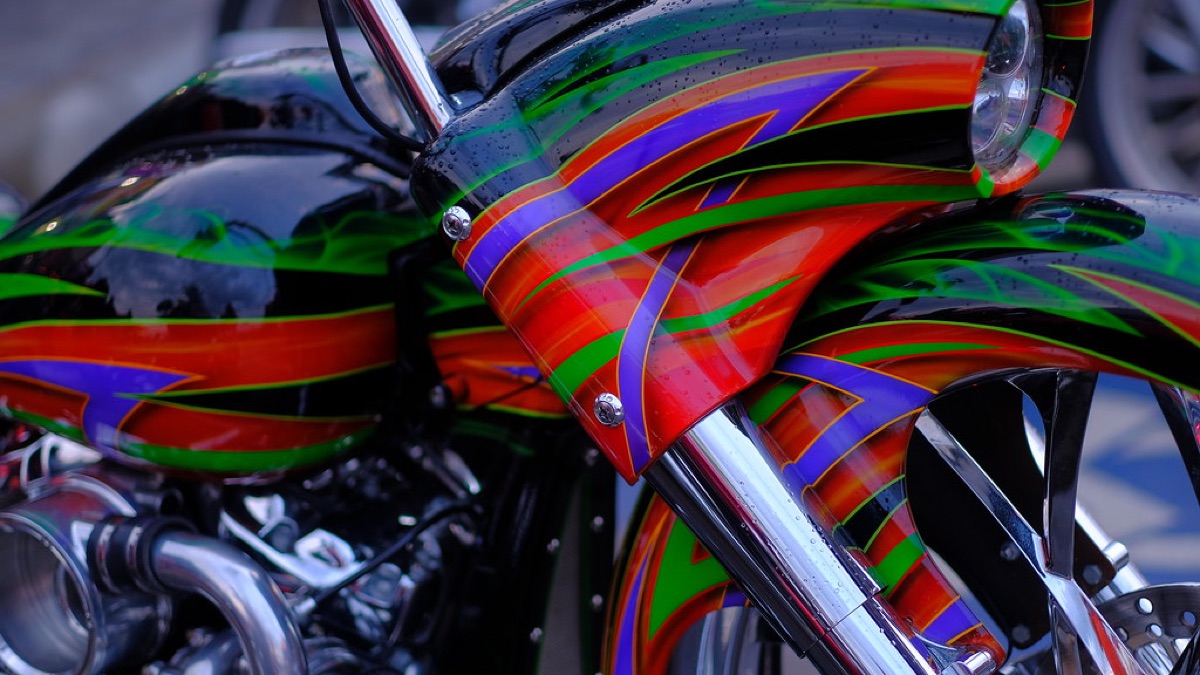
Why Choose Triumph? (The Modern British Cruiser)
A cool mist clings to the rolling hills of the English countryside as a sleek, polished machine carves through a tight bend. The engine doesn't roar so much as it sings, a precise and mechanical melody that stays composed even as the lean angle increases.
Triumph approaches the cruiser segment from a different angle, blending the DNA of the classic British roadster with modern ergonomics.
While Harley-Davidson often focuses on the "straight line" experience, Triumph designs for the "winding road." Their cruisers tend to feel lighter and more agile, making them ideal for riders who want the cruiser look without the heavy, cumbersome handling often associated with American cruisers.
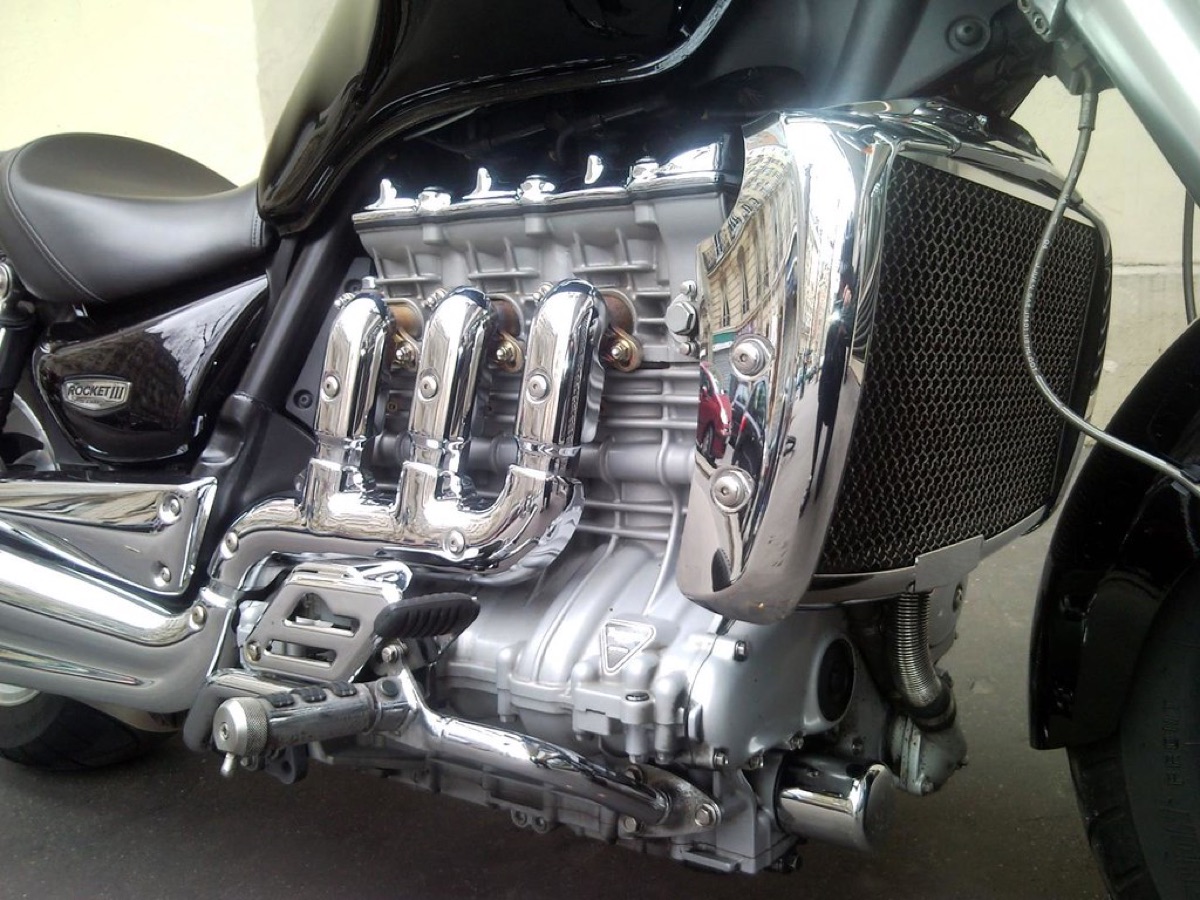
Triumph’s engineering philosophy centers on refinement. Instead of the irregular, heavy pulses of a traditional American V-twin, Triumph often utilizes modern parallel or liquid-cooled configurations. This results in a power delivery that feels linear and predictable.
It is a premium experience that appeals to the rider who values build quality and technological integration as much as they value the aesthetic of a vintage machine. But how do these two philosophies actually feel when you are twisting the throttle?
Engine Specs & Power Delivery: Torque vs. Refinement
I remember sitting in a garage, watching a mechanic strip down two different engines. One felt like a heavy, beating heart, while the other felt like a precision-machined watch. That is the fundamental difference between these two legends.
Harley-Davidson engines are famous for their "grunt." This is the massive low-end torque that allows a rider to pull away from a stoplight with effortless strength. It is a visceral sensation that rewards a relaxed riding style.
This focus on displacement and torque has been a constant throughout their history, evolving from early machines like the 24.74 cubic inch (405 cc) engine with 9.75 inch (24.8 cm) flywheels.
Triumph, conversely, focuses on the "flow." Their engines are designed to provide a smooth surge of power that stays consistent through the mid-range. This makes the bike feel more energetic in traffic and more composed during spirited riding.
| Feature | Harley-Davidson (Typical Cruiser) | Triumph (Typical Cruiser) |
|---|---|---|
| Primary Feel | High Vibration / High Character | Low Vibration / High Refinement |
| Torque Focus | Massive Low-End "Grunt" | Linear Mid-Range "Flow" |
| Engine Layout | V-Twin | Parallel-Twin / Inline-Four |
| Best Use Case | Long-Distance Highway Cruising | Coastal Twisty Roads / Urban Style |
While the engines define the soul, the frame defines the movement.
Riding Dynamics: Cruising Comfort vs. Cornerability
The wind pulls at your jacket as you lean into a long, sweeping curve. You have to decide: do you want to feel the road's texture through the frame, or do you want the bike to feel like an extension of your own body?
Harley-Davidson cruisers are built for the "long haul." They often feature wider seats, more relaxed footpeg positions, and a chassis designed to absorb the straight-line tremors of the highway. The riding position is "laid-back," encouraging a lifestyle of relaxed, steady travel.
It is about the journey and the atmosphere, not the speed of the turns.
Triumph cruisers lean toward "cornerability." Because their engines and frames are often more compact, the center of gravity stays tighter. This allows for quicker transitions from left to right.
If your idea of a perfect afternoon involves navigating mountain passes and tight switchbacks, a Triumph will likely feel more intuitive. It offers a "sportier" cruiser experience that bridges the gap between a traditional cruiser and a modern roadster.
How to Choose Your Path
Selecting between these two brands requires an honest look at how you intend to use your motorcycle. It is a choice between two different types of freedom.
- Define Your Environment: Will you spend 80% of your time on interstate highways, or will you be riding through local backroads and city streets?
- Evaluate Your Sensory Preference: Do you want to feel the "thump" and vibration of a heavy engine, or do you prefer a smooth, high-revving mechanical feel?
- Consider the "Look": Are you drawn to the chrome-heavy, rebellious aesthetic of American tradition, or the understated, sophisticated elegance of British design?
- Test the Ergonomics: Sit on both. A Harley may feel like a throne, while a Triumph may feel like a well-tailored suit.


Comments 0