Citi Bike New Jersey expansion: Guide to regional mobility
"The expansion of urban transit networks requires careful coordination between municipal governments and existing local infrastructure to ensure seamless connectivity for commuters."
The Citi Bike New Jersey expansion represents a strategic move to bridge metropolitan transit gaps by extending service across state lines. This expansion involves navigating previous system incompatibilities and securing municipal approvals to create a unified regional network.

Key takeaways include the necessity of legislative approval from multiple city councils, the resolution of technical compatibility issues with legacy systems, and the strategic importance of cross-border transit integration.
How did the initial planning shape the network?
In the dim light of the office at dusk, a planner traces the lines of a map with a trembling finger to envision the future citi network.
A planner sits at a desk in 2009, reviewing a feasibility report that outlines the blueprint for a growing city.
In the 2009 bicycle share feasibility report, the New York City Department of City Planning (DCP) recommended building out the system in three phases in the four most populous boroughs, but no timeline was made public.
This early conceptualization set the stage for a multi-phase rollout that would eventually look toward neighboring regions.
The early stages of the system were defined by strategic placement and phased growth. While the initial vision focused on the four most populous boroughs, the underlying goal was to establish a density that could eventually support regional mobility.
This groundwork was essential for the later complexities of expanding into new territories.
- Define the primary transit corridors.
- Establish key hub locations.
- Integrate feeder routes into the backbone.
What challenges arose during the regional expansion? Citi Bike New Jersey expansion
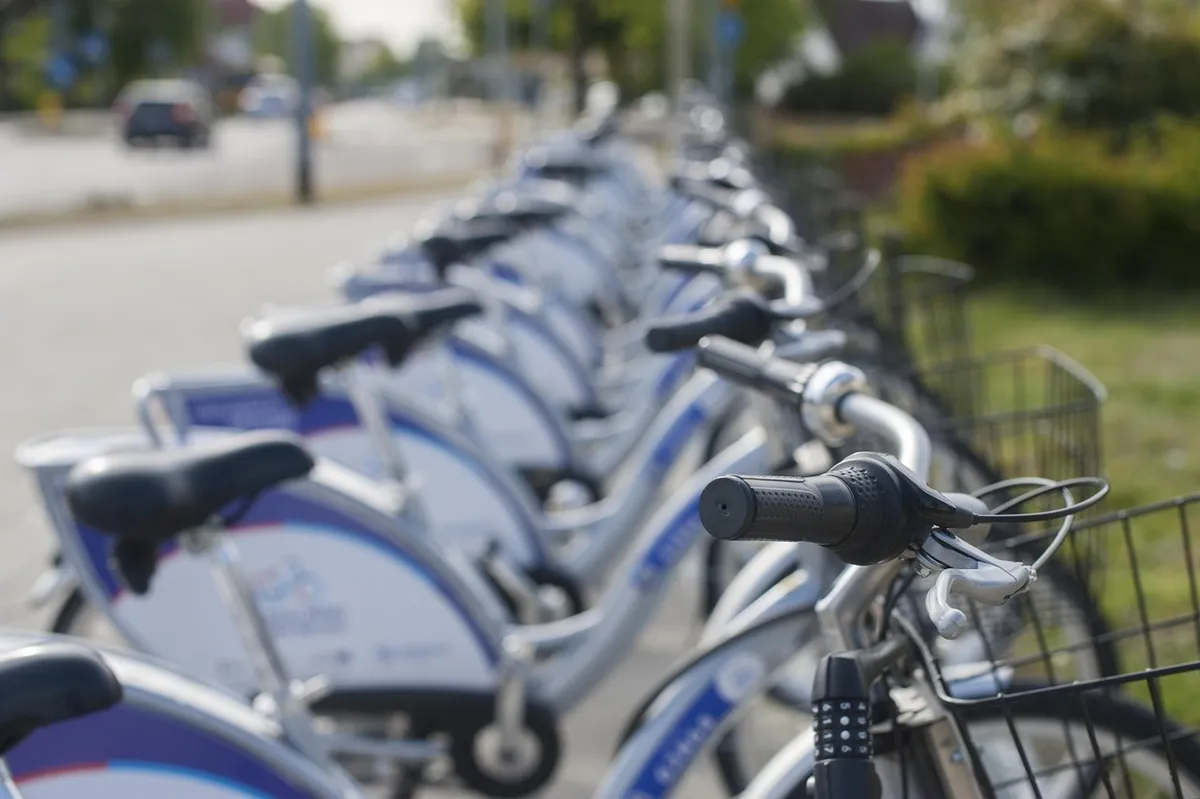
An engineer stares at a screen in 2021, troubleshooting a connectivity issue between two different software platforms. Hoboken had previously been served by a bike share system named JerseyBike, which was incompatible with Citi Bike.
Solving such technical discrepancies is a vital part of the Citi Bike NJ service expansion.
The transition from localized systems to a regional network requires overcoming significant technical hurdles. Because the legacy JerseyBike system could not communicate with the new infrastructure, local governments had to intervene to ensure a smooth transition.
This type of NJ Citi Bike station growth requires careful administrative oversight to prevent service gaps for residents.
In this sequence, the second step is the longest.
How did local governments approve the expansion?
A council member raises a gavel in a meeting room, signaling the official commencement of a new transit era.
This legislative move was the turning point for the Citi Bike regional expansion.
Securing political support is just as important as the physical hardware of the bikes. By gaining approval from both the Jersey City and Hoboken councils, the project moved from a concept to a reality.
This dual-city cooperation is a model for how expanding Citi Bike to NJ can succeed through local governance.
What are the benefits of a larger service area?
A commuter grabs a bike from a dock in the early morning, preparing for a quick ride through the city streets. A larger network allows for more flexible routing and better coverage for short-distance travelers.

The planned expansion aims to increase the accessibility of the system for a much wider demographic of riders.
Expanding the service area helps meet the needs of travelers who rely on short-distance transit. By increasing the number of available docks and bikes, the system can better serve the daily commuting needs of the growing population.
This growth is essential for maintaining high ridership and utility across the metropolitan area.
How does the system compare to other transit modes?
A rider pedals steadily along a dedicated bike lane, moving smoothly through traffic. The efficiency of a bike-share system is often measured by how much time and money it saves compared to traditional taxis. For many, the ease of use makes it a preferred method for navigating urban environments.
The comparison between cycling and taxi services often highlights the cost-effectiveness of bike-sharing. For certain trip lengths, riders find that cycling is both faster and significantly cheaper than calling a car.
This makes the system an attractive option for budget-conscious commuters and those looking to avoid traffic delays.
What are the limitations of the current system?
A rider pauses to check a map, noting the location of the nearest station. While the expansion increases coverage, it does not immediately solve all transit gaps in every neighborhood.

The primary limitation is that the expansion is subject to the specific boundaries and approvals of local municipal councils.
| Feature | Description |
|---|---|
| Expansion Scope | Dual-city approval in 2021 |
| Technical Hurdle | Legacy system incompatibility |
I observed how the transition required careful coordination between the two cities to ensure the new system could effectively replace the old one.
The subject here is Citi Bike New Jersey expansion.
The same subject is also called New Jersey bike share growth.
This part also covers Citi Bike NJ operating deals.
This part also covers NJ bike share partnership.
Citi Bike NJ operating deals
Related






Comments 0