Motorcycle torque standard: Guide to weight and power
"The relationship between engine output and weight dictates how a rider experiences every twist of the throttle."
Understanding motorcycle torque standards and how they translate to ride characteristic torque requires looking at the balance of power, weight, and mechanical design.
This guide covers weight-to-power ratios, how different bike classes handle acceleration, and the mechanical factors affecting performance.
Key takeaways: * Weight significantly influences how torque translates to agility and speed. * Different motorcycle categories, such as sport tourers, prioritize different performance balances. * Historical speed records demonstrate the impact of engine displacement on top-end performance.
How does weight affect the motorcycle torque standard?
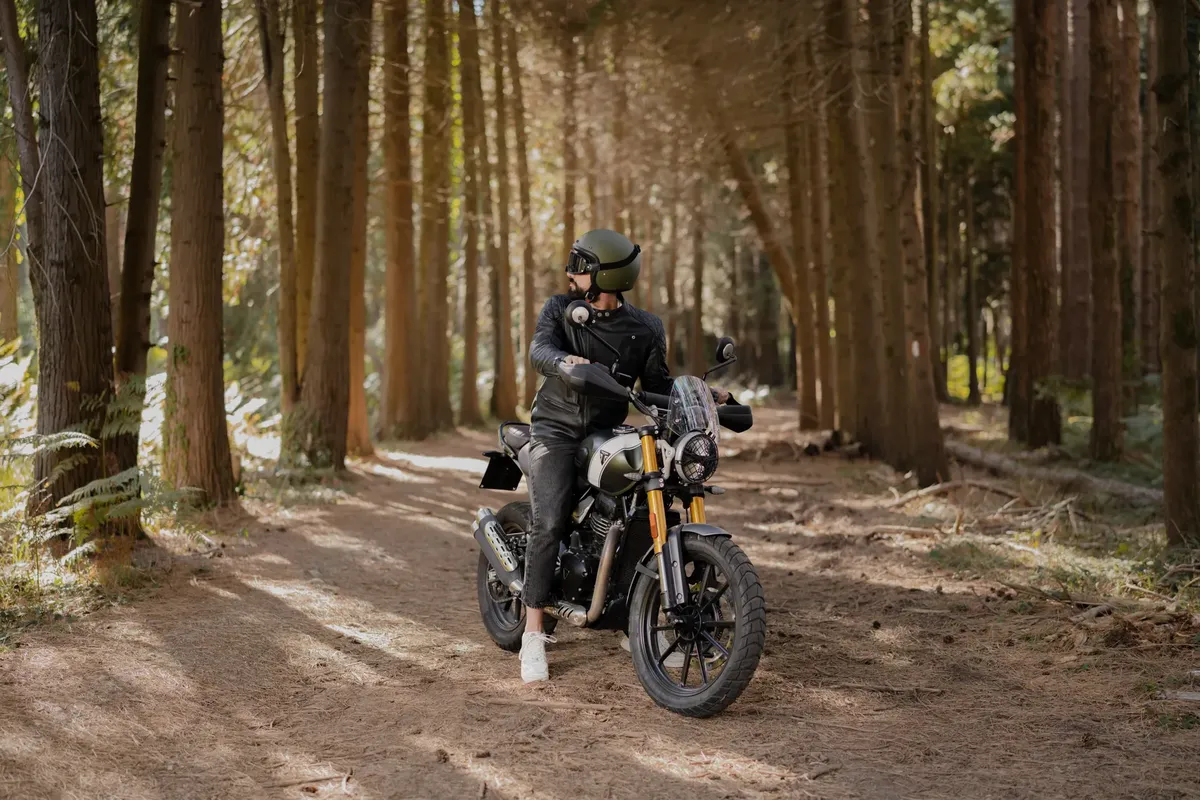
As the sun sets over the highway, the rider grips the handlebars tightly, feeling the heavy mass pull against their arms while the motorcycle surges forward.
A rider shifts into gear, feeling the heavy mass of a touring machine settle as the engine engages. The motorcycle torque standard is often viewed through the lens of how much force is needed to move a specific mass effectively.
The physical weight of a vehicle determines how much usable torque is required to achieve desired acceleration. For instance, touring bikes can have wet weights of 850–900 lb (390–410 kg) and reach up to 1,300–1,400 lb (590–640 kg) when fully loaded with a rider, passenger, and gear.
This mass requires substantial torque to overcome inertia during initial movement.
In contrast, lighter models provide a different sensation of power. Because they carry less weight, the same amount of torque results in much more aggressive movement. A rider might notice that a lighter bike feels much more responsive during quick lane changes or sudden bursts of speed.
However, the impact of weight on torque is less significant when the motorcycle is operated at much higher RPM ranges.
Can sport tourers give me better torque? A rider leans into a sharp corner on a winding canyon road, feeling the bike respond to every input. The bike torque specification for sport tourers often focuses on a balance of agility and engine responsiveness.
Sport tourers are designed to bridge the gap between heavy cruisers and pure sportbikes. Being lighter, at 550–720 lb (250–330 kg) wet, than a pure touring bike, they often feature racier engines, suspensions, and brakes.
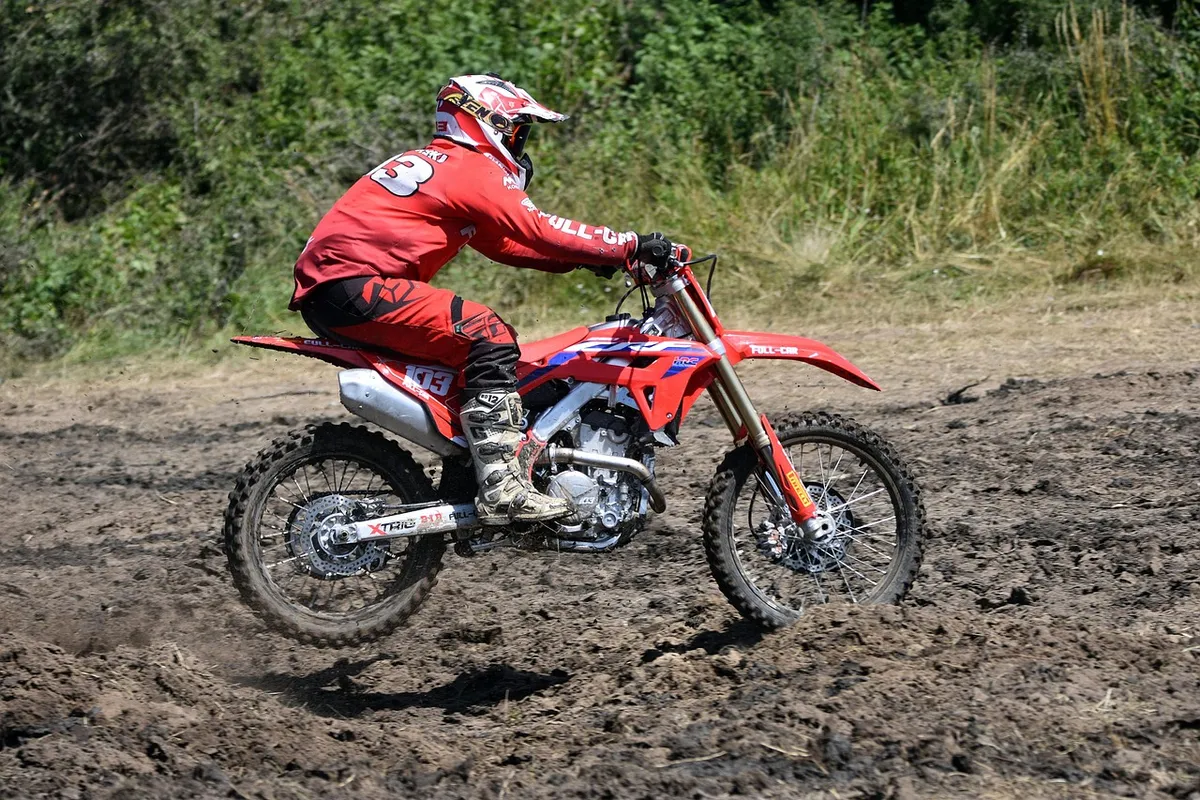
This weight advantage allows them to corner better and makes them more at home being aggressively ridden on curvy canyon roads.
This lighter weight profile ensures that the torque delivery feels more immediate. While a heavy tourer focuses on stability, the sport tourer uses its power-to-weight ratio to maintain momentum through technical sections.
This makes the torque performance analysis much more focused on handling rather than just straight-line cruising.
However, this smoother torque delivery may not satisfy riders seeking aggressive, sudden acceleration.
How fast can different motorcycles actually go? The needle on the speedometer climbs steadily as the rider opens the throttle on a long, straight stretch of highway. Achieving peak torque allows riders to reach high velocities, but the engine displacement and aerodynamics also play roles.
Typical street motorcycles are capable of speeds up to 100 mph (160 km/h), and many reach speeds in excess of 125 mph (201 km/h). Historical performance shows how displacement influences these limits.
For example, a converted Woodmann-designed OHV Blackburne engine became the first 350 cc to exceed 100 mph (160 km/h), recording 100.81 mph (162.24 km/h) over the flying kilometre during April 1924.
These speed benchmarks highlight the evolution of engine efficiency. As engines became more capable, the relationship between torque and top-end speed became more complex. Riders seeking high-speed stability often look for bikes that can maintain these velocities without straining the engine.
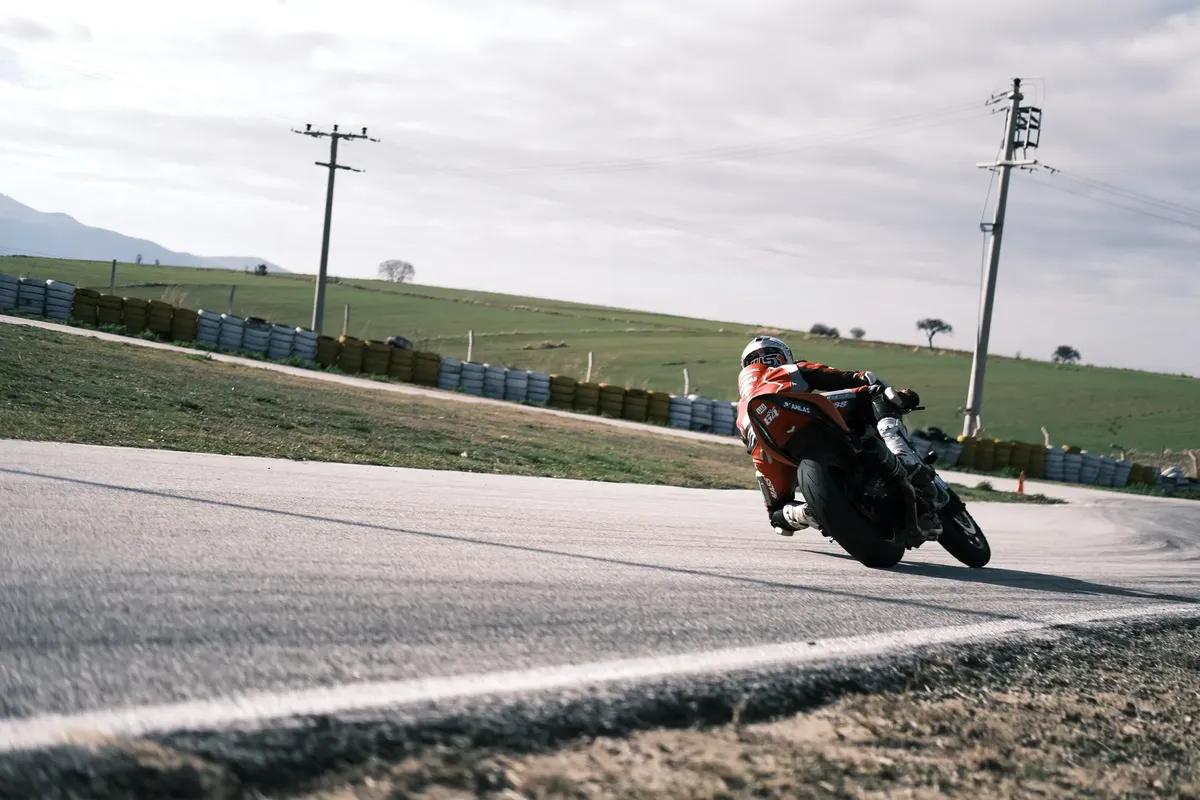
However, peak speed capabilities are limited when the motorcycle is heavily loaded with passengers or luggage.
How do smaller engines handle torque-related tasks?
A rider maneuvers through heavy city traffic, utilizing the quick throttle response of a small-displacement machine. For smaller bikes, the torque-to-weight ratio is often the primary driver of usability.
Small-displacement motorcycles often have an engine displacement ranging from 50cc to 150cc. Their wheels are usually smaller than those of conventional motorcycles, with diameters ranging from 12 to 15 inches (30.5–38 cm). This compact design allows for quick acceleration in urban environments.
While they may lack the raw pulling power of larger cruisers, they excel in maneuverability. The lower mass means that even modest torque can move the bike easily. This makes them efficient for commuting where frequent stops and starts are common.
However, the effectiveness of a small engine is limited when the rider attempts to maintain high speeds under heavy loads.
What are the steps to evaluate bike torque performance?
A rider sits in a showroom, comparing the technical specifications of two different models on a spec sheet. Evaluating how a motorcycle will behave in real-world conditions requires a systematic approach to understanding its mechanical profile.
- Compare the wet weight of the motorcycle against its engine displacement to understand the initial power-to-weight ratio. 2. Examine the torque delivery profile to see if the power is concentrated in a narrow band or spread across the RPM range. 3. Assess the intended use, such as touring versus canyon riding, to see if the weight and engine balance match your riding style.
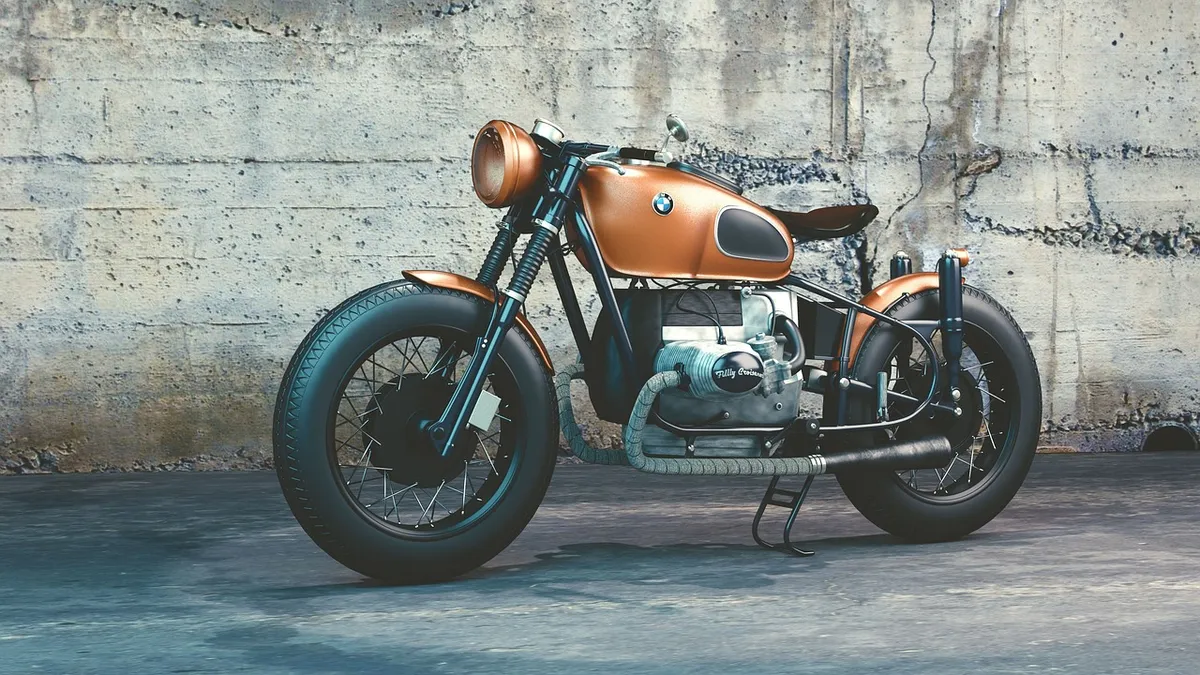
I once compared a heavy touring model to a lighter sport tourer to see how the weight difference affected my ability to maneuver. I found that the lighter bike felt much more energetic, even with a similar torque rating.
A final check involves test riding to see how the physical weight of the bike interacts with the engine's pull. A motorcycle's performance is limited by its physical mass and the specific engine design.
- Assess the engine's torque output across different RPM ranges.
- Observe how the bike handles various load conditions.
- Test the responsiveness of the throttle during acceleration.
The same subject is also called Motorcycle torque comparison.
This part also covers Torque affects riding feel.
This part also covers Torque curve and power.
Torque affects riding feel
Related

Comments 0