Motorcycle engine power compare: 175 engine guide
"The history of engine development is a story of balancing power against reliability, where a single mechanical innovation can define a brand for decades."
This guide explores how different engine types, such as two-stroke and four-stroke configurations, shaped the industry and compares their performance characteristics.
* Two-stroke engines provided cost-effective alternatives for essential frame models. * Reliability issues often led to the immediate abandonment of specific mechanical solutions.
How did early distribution systems shape motorcycle engine performance?
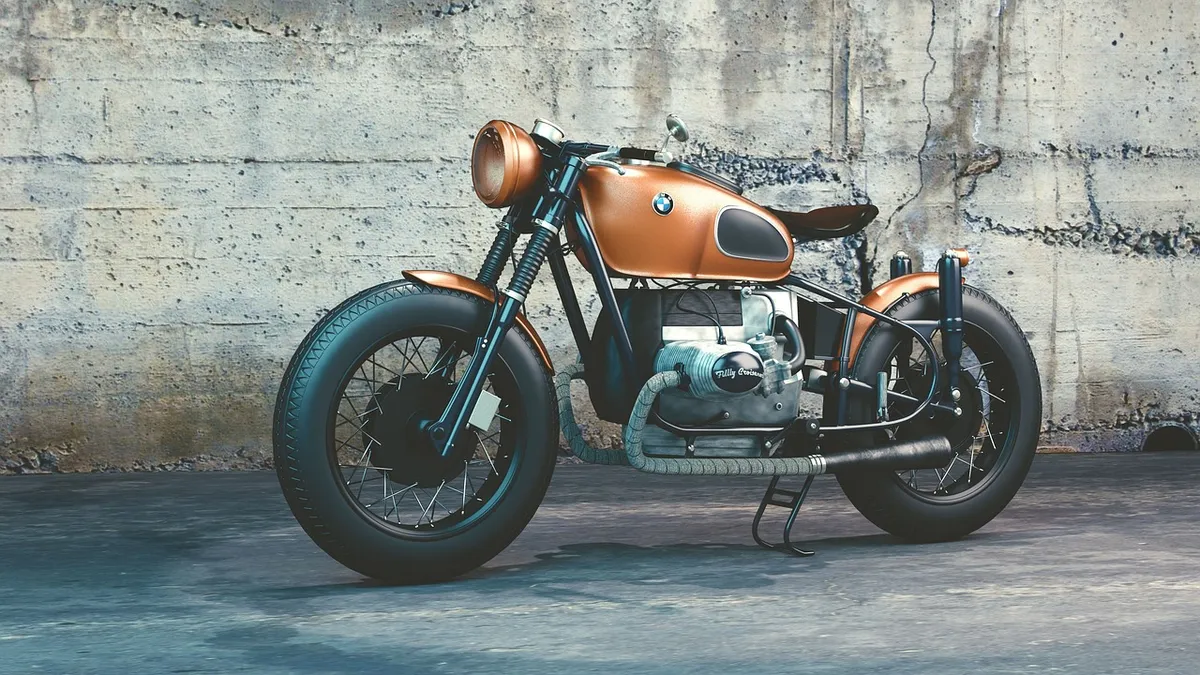
A mechanic adjusts a vintage overhead camshaft, feeling the precise movement of the gears. In 1927, a 175 cm3 4-stroke engine with "cascade" distribution and an overhead camshaft became the most successful engine for Benelli, establishing a trademark for the Pesaro house.
The technical approach to valve distribution allowed for a level of performance that set a standard for future models.
While modern riders look for different metrics, this early innovation was the foundation of their reputation.
What were the differences between two-stroke and four-stroke models?
The rider pulls the throttle on the light motorcycle at dawn, feeling the sudden surge of power against his palms.
A rider pulls the throttle on a light, agile machine to feel the immediate response of a small displacement engine. The Letizia model utilized a 98 cm3 two-stroke engine, which was a cheaper alternative to four-stroke engines, mounted on an essential but elastic frame.
These two-stroke engines offered a different power delivery compared to the more complex four-stroke designs. For example, between 1950 and 1960, the most common motorization was the 125 cm3 2-stroke.
While the 125 cm3 4-stroke with "cascade of gears" was also produced, it was an immediately abandoned solution due to reliability problems.
| Engine Type | Displacement | Primary Characteristic |
|---|---|---|
| 1927 4-stroke | 175 cm3 | Established brand trademark |
| Letizia 2-stroke | 98 cm3 | Cheaper than 4-stroke |
I remember comparing the weight of different vintage models to see how they handled cornering.
According to European Commission, the 2025 record includes 15.2%.
How did high-performance models achieve higher speeds?
A rider leans into a turn, feeling the weight of a heavy-duty machine at high velocity. The ″Tornado″ earned a reputation for reliability and high performance, despite its somewhat hefty weight at 480 pounds (220 kg).
Later models pushed these limits further, such as the Tornado which produced 75 hp at 9500 rpm and reached a top speed of 200 km/h. These high-performance machines were produced in limited quantities, with 3200 units manufactured until 1977.
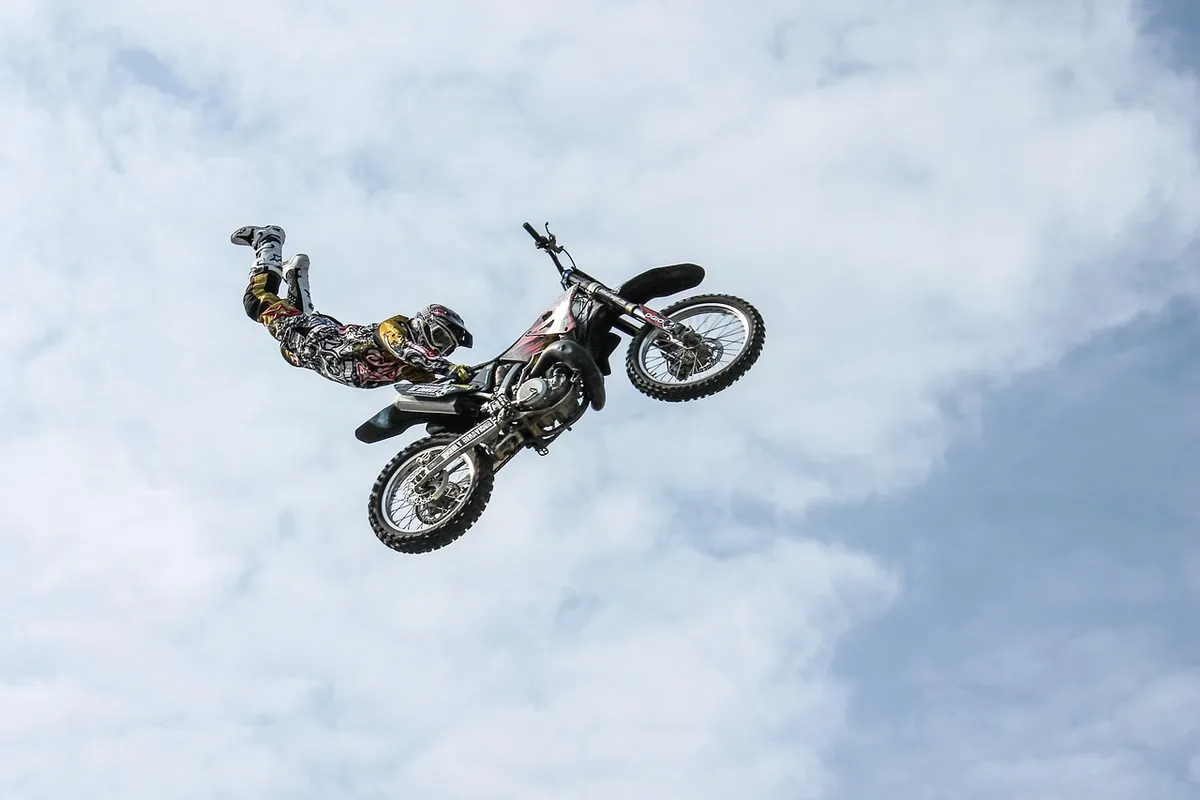
The balance of horsepower and weight remains a critical factor in motorcycle engine performance.
How did technological innovations change engine output?
An engineer examines the internal components of a modern sports bike to understand its increased displacement. In 1999, the introduction of the Tornado Tre brought interesting technological innovations to the sports bike category.
The engine in the Tornado Tre was initially a 900 cm3 unit, which was later brought to 1130 cm3. These advancements in engine technology allowed for greater displacement and power within a sports-oriented frame.
Such shifts in technology reflect the constant evolution of engine output and rider requirements.
What is the current state of motorcycle fuel economy?
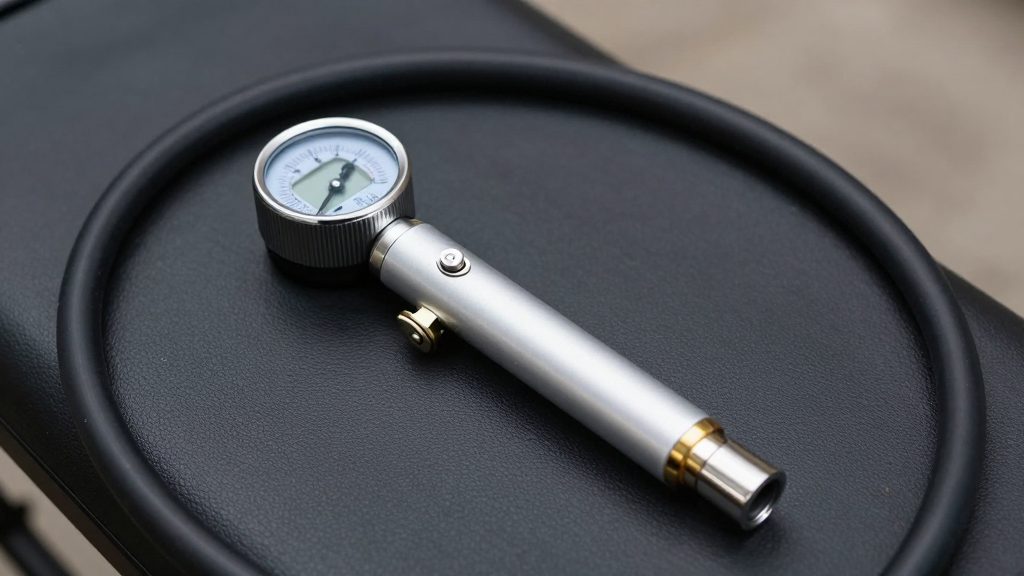
A traveler checks the fuel gauge after a long ride on a highway. In the United States, the average motorcycle fuel economy is 44 miles per US gallon (19 km per liter).
While power is important, fuel efficiency remains a key metric for many riders. One specific streamlined, fully faired Matzu Matsuzawa Honda XL125 achieved 470 mpg-US in the Craig Vetter Fuel Economy Challenge under real highway conditions.
This shows the extreme potential of specialized engine tuning for efficiency.
How do we analyze motorcycle engine power ratings?
A technician uses a diagnostic tool to measure the efficiency of a running engine. To analyze engine technology effectively, one must consider the displacement, the stroke type, and the mechanical distribution methods used.
- Identify the engine displacement and stroke type to understand the base power delivery. 2. Evaluate the mechanical distribution system, such as overhead camshafts or gear cascades, for reliability. 3. Compare the power-to-weight ratio to determine real-world handling and performance.
A final check involves verifying that the engine's output meets the specific riding requirements, whether for speed or economical commuting.
Wikipedia: Aircraft engine Based on the retained excerpt mentioning European Commission: Sponsored by the European Commission under Framework 7 project LEMCOTEC, Bauhaus Luftfahrt, MTU Aero Engines and GKN Aerospace presented the concept in 2015, raising the overall engine pressure ratio to over 100 for a 15.2% fuel burn reduction compared to 2025 engines.
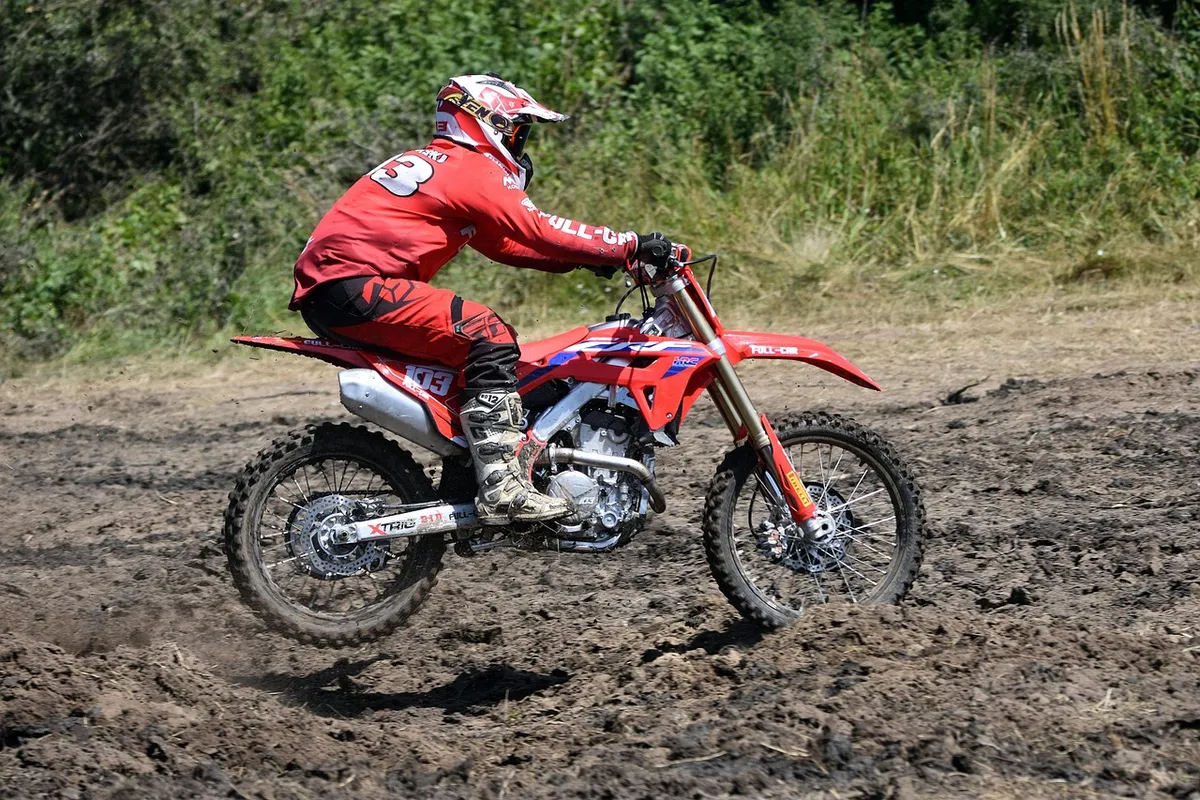
- Analyzing motorcycle engine power ratings requires looking at both historical breakthroughs and modern efficiency.
- Key takeaways:
- * Historical 4-stroke innovations established brand identities through unique distribution systems.
- This specific engine design provided the necessary power to make the brand known in both national and international fields.
Motorcycle engine power compare
The subject here is Motorcycle engine power compare.
The same subject is also called Bike engine performance.
The same subject is also called Motorcycle output test.
The same subject is also called Brand engine specs.
The same subject is also called Engine efficiency review.
This part also covers Compare bike power ratings.
Compare bike power ratings
Related
- Cycling Helmet Selection Guide: 5 Key Criteria for Balancing
- Bike Pump Selection Guide: 6 Key Considerations.
How are these engine histories compared?
- The 1927 Benelli engine represents an early success in establishing a brand identity through its specific mechanical configuration. 2. The Letizia engine showcases a different engineering approach, prioritizing affordability through its two-stroke design. 3. The Tornado models illustrate how pushing performance limits requires balancing high horsepower with the physical constraints of the machine.
These comparisons highlight that the journey through engine history involves choosing between different engineering compromises to suit the intended market or performance goal.
How does the history of engine development inform modern design choices?
- The early success of the Benelli engine demonstrates how a specific mechanical configuration can define a brand's history. 2. The Letizia's success in a different market segment shows the viability of cost-effective engineering compromises. 3. The Tornado's development path illustrates the engineering challenge of balancing high power output against physical limitations.
These comparisons underscore that the history of engine development is a study in applied engineering trade-offs between aspiration and practicality.

Comments 0