Ebike for city travel: 20 percent How to choose best model
"The transition from traditional pedals to electric assistance represents more than a mechanical upgrade; it is a fundamental shift in how we navigate the urban landscape."
* Typical motor assistance reaches speeds between 16 and 20 mph. * Battery charging usually requires an eight-hour period. * Energy expenditure can be significantly lower than walking or conventional cycling. * Regional laws dictate power limits and maximum assisted speeds.
Why is E-bike for city travel becoming a trend?
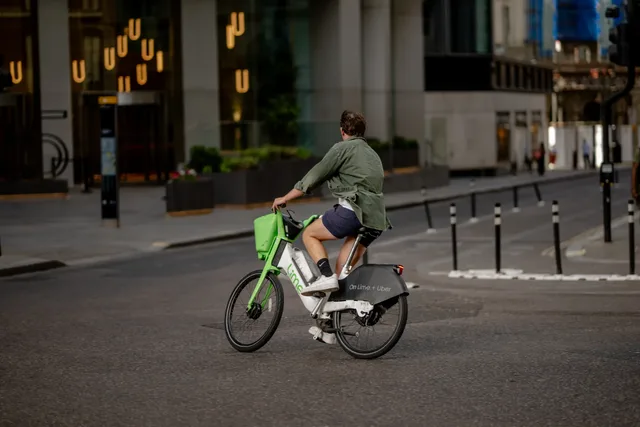
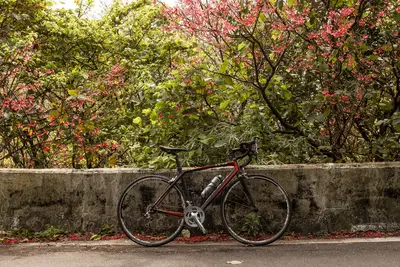
A commuter grips the handlebars of a sleek frame, feeling the subtle tug of the motor as they glide past stationary cars on a busy morning street.
As a new bike transport option, these vehicles bridge the gap between walking and driving. They allow users to cover greater distances without the heavy caloric cost of traditional biking. In many urban environments, this technology has already fundamentally altered the streetscape.
According to Wikipedia, by 2007, e-bikes were thought to make up 10 to 20 percent of all two-wheeled vehicles on the streets of many major Chinese cities. This early adoption paved the way for the global expansion of electric mobility.
The availability of motorized assistance makes the urban commute more accessible to a wider demographic.
What are the specs of this urban electric bike? Ebike for city travel
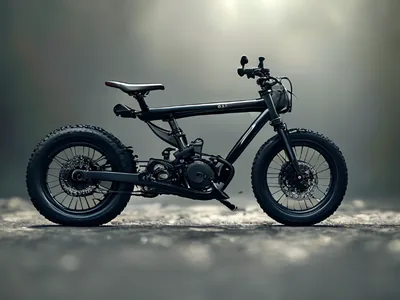
A technician adjusts the tension on a thick, 40 mm wide tire while checking the connection of a battery tucked neatly inside the frame. Understanding the hardware is essential for anyone looking at an electric bike urban choice for their daily route.
According to ISO, these bikes usually feature a longer wheelbase, mountain bike-sized 26-inch (ISO 559) wheels or 700c wheels, a more upright riding position, and tyres approximately 38–50 mm (1.5–1.95 in) wide.
Most models rely on rechargeable batteries to power a motor that assists the rider. According to Wikipedia, e-bikes typically are motor-powered up to 25 to 32 km/h (16 to 20 mph), though some can reach 45 km/h (28 mph).
The mechanical composition often includes specific components to ensure stability.
| Component Feature | Typical Specification |
|---|---|
| Typical Range | 40 to 48 kilometres (25 to 30 mi) |
| Charging Time | Eight hours |
I compared the heavy feel of an older nickel–cadmium battery model to the lightweight lithium options used today. Older versions included an 850 g (30 oz) permanent-magnet motor built into the frame. Modern builds focus on maximizing the range provided by a single charge.
How do I manage electric bike fleet requirements?
A fleet manager stands in a warehouse, checking the charge levels on a row of twenty identical motorized bicycles. Managing electric bike fleet logistics requires a strict adherence to charging schedules and maintenance of battery health.
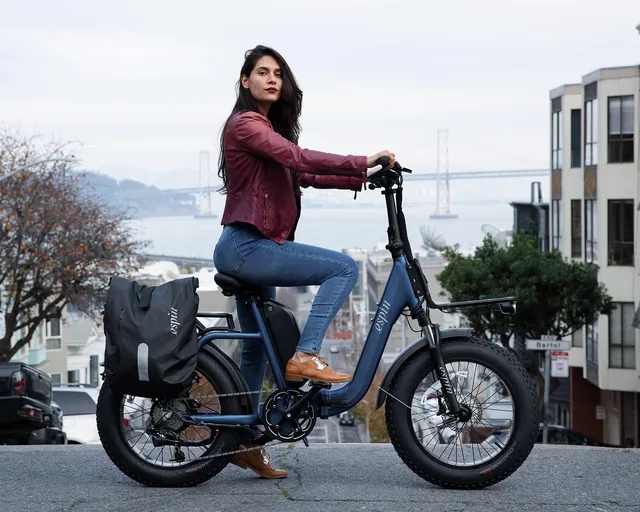
To keep a fleet operational, follow these steps: 1. Implement a staggered charging schedule to ensure a full eight-hour charge for every unit overnight. 2.
Monitor the range of each unit, noting that a typical unit provides a range of 40 to 48 kilometres (25 to 30 mi) at a speed of around 20 km/h (12 mph). 3. Inspect tire pressure regularly, especially for those using 38–50 mm wide tyres.
Perform a final check on the motor assistance levels to ensure they meet local legal requirements. I noticed that maintaining consistent charge levels prevents the sudden drop in assistance that can occur during long trips.
How does this e-bike technology affect speed?
A rider accelerates onto a straight path, noticing how the motor continues to push them forward even as they hit higher speeds. An Ebike technology analysis reveals that speed limits and power outputs vary significantly depending on where you ride.
Regulations are highly localized and impact how the motor behaves. In the United States, many states have adopted S-Pedelecs into the Class 3 category, which are limited to 750 W (1.01 hp) of power and 45 km/h (28 mph) speed. This allows for faster commuting while maintaining safety.
In Switzerland, the motor power is limited to 1,000 W (1.3 hp). Additionally, the speed without pedalling is limited to 30 km/h (19 mph), and under motor assistance, it is capped at 45 km/h (28 mph).
These technical constraints ensure that the vehicle remains categorized correctly under local transport laws.
How does energy expenditure compare to other modes?
A cyclist reaches their office destination feeling refreshed rather than drenched in sweat, a stark contrast to their previous walking commute. Understanding the physical impact is key to choosing an eco friendly bike ride.
The physical effort required varies based on the mode of transport. A study from the University of Tennessee provides evidence that energy expenditure (EE) and oxygen consumption (VO2) for e-bikes are 24% lower than that for conventional bicycles, and 64% lower than for walking.
However, e-bike users in seven European cities had 10% higher weekly energy expenditure than other cyclists because they cycled longer trips. This suggests that while the intensity is lower, the duration of the activity increases.
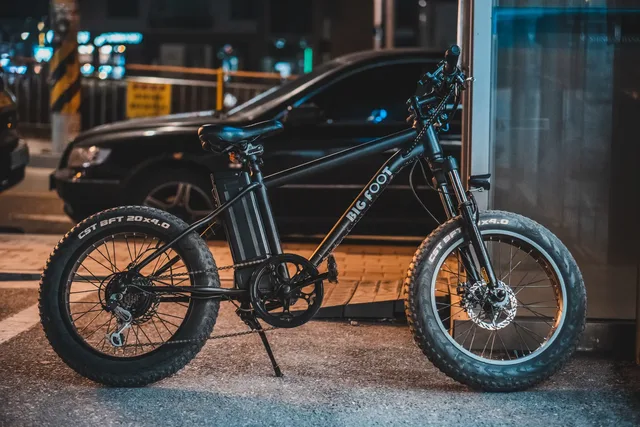
This makes it a sustainable way to stay active without excessive fatigue.
- E-bikes for city travel offer a motorized option compared to traditional cycling, utilizing rechargeable batteries to help riders at different speeds.
- This guide explains the technical specifications, regional speed regulations, and energy expenditure differences to help you choose the right model for your commute.
- This shift toward smart micro mobility trend is driven by the need for efficient, short-distance transit that avoids the physical exhaustion of standard cycling.
The subject here is Ebike for city travel.
This part also covers Urban commuting security tips.
Ebike technology analysis
Related
- How does motorcycle choice for contest affect performance?
- Why does selecting the right GP machine matter?
What conditions affect the transition from traditional cycling?
- The availability of motorized assistance alters the accessibility of the urban commute for a broader group of people. 2. Regional laws impose specific power limits and maximum assisted speeds on these vehicles. 3. The shift toward smart micro mobility is motivated by the demand for transit that avoids the physical strain associated with standard cycling.
The transition from traditional pedals to electric assistance involves navigating diverse regulatory landscapes. These laws dictate how the motor functions and what speeds are permissible in different areas.
The comparison between energy use shows that while e-bikes reduce intensity, longer journeys can increase overall weekly energy output compared to non-assisted cycling.
What are the cautions when selecting an electric bike urban choice?
- Riders must be aware that regional laws govern power limits and maximum assisted speeds for the chosen model. 2. Fleet managers must implement staggered charging schedules to ensure every unit receives a full eight-hour charge. 3. Users should inspect tire pressure consistently, particularly when utilizing wider tyres like 38–50 mm.
The selection process demands careful consideration of the hardware, as different components affect the ride quality. Older battery models presented a different weight profile compared to the current lightweight lithium options.
A caution exists regarding assistance drop; maintaining consistent charge levels prevents the sudden decrease in motor support during extended travel periods. This is a key procedural check for any commuter.

Comments 0