Why does selecting the right GP machine matter?
"The difference between a machine that merely travels and one that conquers a track lies in the synergy of weight, engine response, and chassis agility."
Choosing the right machine requires balancing the agility of a lighter chassis against the stability of a heavier, fully loaded setup.
How does the 2026 MotoGP bike comparison change?
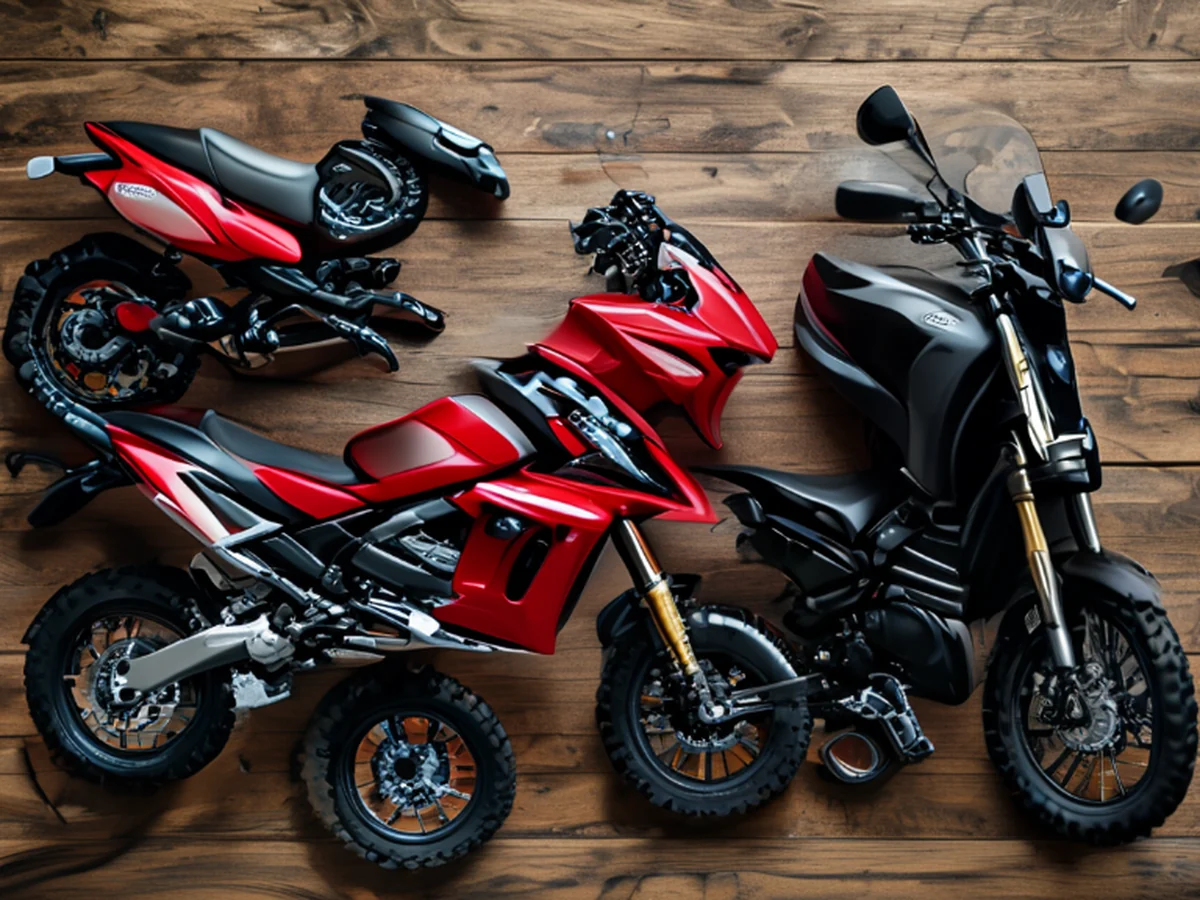
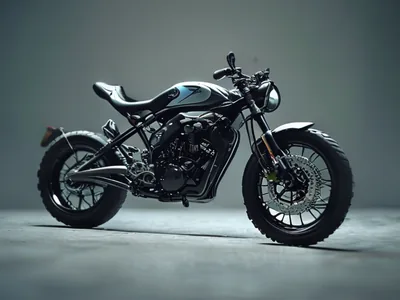
A mechanic adjusts the suspension on a sleek racing chassis as the sun rises over the paddock. Understanding the 2026 MotoGP bike comparison involves analyzing how specific weight distributions and engine profiles influence race results.
Selecting the right GP machine depends on whether a rider needs the rapid direction changes of a lighter bike or the stability of a larger frame.
How bike type affects race results is often seen in the transition from straightaways to tight technical corners.
What are the primary MotoGP bike specs 2026?
At midnight in the garage, the rider does a final check while smelling the sharp scent of fuel.
At midnight in the garage, the technician breathes in the sharp scent of fuel while he does his review of the specs.
The scent of high-octane fuel fills the air as technicians inspect the engine displacement of a prototype. When reviewing MotoGP bike specs 2026, engineers focus on the relationship between wet weight and power delivery.
Technical data shows that sport tourers, being lighter at 550–720 lb (250–330 kg) wet than pure touring bikes, often feature racier engines, suspensions, and brakes. This allows them to corner better and perform more effectively when being aggressively ridden on curvy canyon roads.
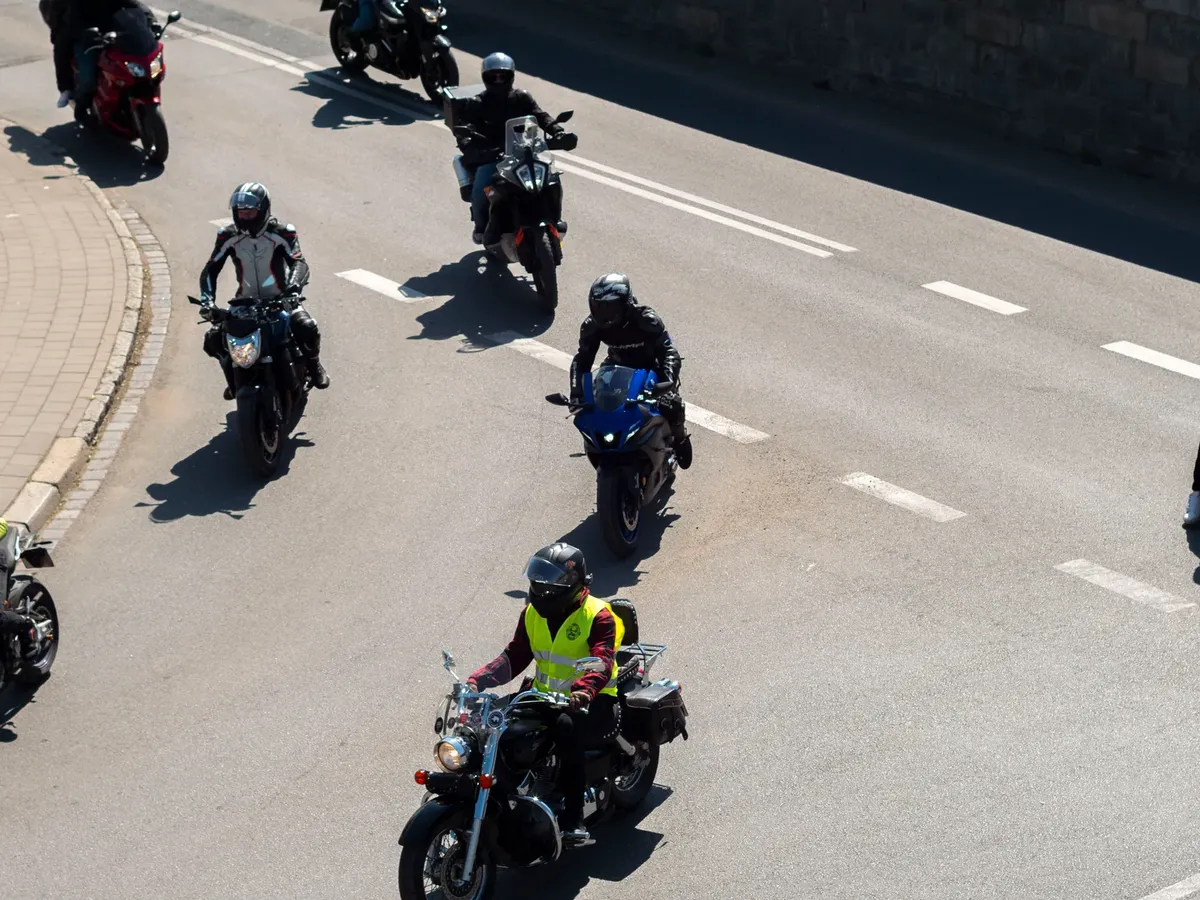
I noticed during my own observations that these lighter weights allow for much sharper lean angles.
| Bike Category | Wet Weight Range |
|---|---|
| Sport Tourer | 550–720 lb (250–330 kg) |
| Heavy Touring | 850–900 lb (390–410 kg) |
What are the 2026 race bike traits?
A rider pulls on a leather suit while checking the tire pressure on a specialized racing slicks. Identifying 2026 race bike traits involves distinguishing between the high-speed capabilities of street-based models and dedicated racing machines.
Typically, street motorcycles are capable of speeds up to 100 mph (160 km/h), with many exceeding 125 mph (201 km/h). In contrast, specialized heavy bikes can have wet weights of 850–900 lb (390–410 kg) and top 1,300–1,400 lb (590–640 kg) fully loaded with a rider, passenger, and gear.
This distinction is vital for determining which machine can maintain stability at the limits of aerodynamic drag.
How to compare GP motorcycle types?
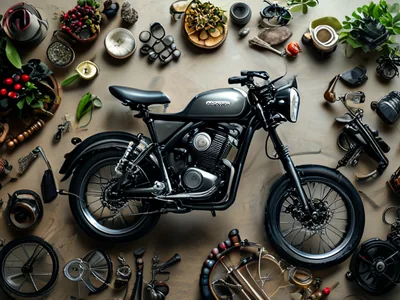
An engineer uses a digital caliper to measure the diameter of a wheel under the bright stadium lights. To effectively compare GP motorcycle types, one must look at the specific mechanical configurations designed for different terrains.

- Evaluate the wheel diameter, noting that smaller wheels ranging from 12 to 15 inches (30.5–38 cm) often accompany smaller engine displacements. 2. Assess the engine capacity, specifically looking at ranges from 50cc to 150cc (3.1–9.2 cu in) for smaller-scale competition. 3. Check the fuel and wheel configuration, as some larger city-oriented models use wheels reaching 15 or 16 inches (38.1–40.7 cm) for better stability. 4. Perform a final check on the weight-to-power ratio to ensure the machine meets the specific track requirements.
Why does selecting the right GP machine matter?
A driver grips the handlebars, feeling the vibration of the engine through the gloves. When selecting the right GP machine, the choice is often limited by the physical constraints of the track surface and weather.
The effectiveness of a machine is often limited by environmental conditions, such as the need for specialized spikes on tires.
Unlike the small screws found on snow tires, each spike for certain specialized uses is 4cm long and 1cm thick, bolted on with two washers on the interior and exterior of the tire. This specific setup is required for extreme traction but changes the bike's handling profile entirely.

- The 2026 MotoGP bike comparison reveals that performance is dictated by the specific trade-offs between weight and engine characteristics.
- Key takeaways include the importance of wet weight in handling, the impact of engine displacement on cornering, and how different bike types serve distinct riding environments.
- Analyzing bike choice for GP requires looking at how weight affects the center of gravity during high-speed maneuvers.
The same subject is also called Bike performance MotoGP 2026.
Related
What is the difference in handling characteristics?
- The difference in chassis agility between a lighter sport tourer and a heavier touring bike is evident in how each machine reacts to sudden inputs. 2. A lighter chassis allows for sharper lean angles, as noted during observations of these specific weights. 3. The stability of a heavier setup provides a different handling condition when navigating high-speed sections.
How does engine displacement relate to bike type?
- The difference in engine displacement influences the cornering performance when comparing different bike types. 2. Smaller engine displacements are often associated with smaller wheel diameters, such as those ranging from 12 to 15 inches. 3. Larger engine capacities are sometimes found on models designed for greater overall stability, like some city-oriented bikes.
The comparison of these mechanical configurations highlights how the design choices dictate the bike's operational limits. For instance, the power delivery characteristics differ significantly depending on the displacement chosen for the specific competition or road use.
The selection process must account for the environmental conditions, because the need for specialized traction components, such as the 4cm long spikes, alters the handling profile entirely. This caution applies whether the bike is a dedicated racer or a street model.
When evaluating the weight-to-power ratio, the difference between a machine built for pure travel versus one designed for track conquest becomes apparent. This ratio is a critical factor when determining the machine's capability under duress.
Wikipedia: X Games Based on the retained excerpt mentioning Home Depot Center: 2004: X Games X – Staples Center, Home Depot Center, Long Beach Marine Stadium, Los Angeles (August 5–8, 2004) Nate Adams won and became the first person to defeat Travis Pastrana in the Moto X Freestyle event at the X Games.


Comments 0