Bike Tire Selection Guide: Criteria for Choosing and Maintenance Tips.
Choosing the Right Bicycle Tires: A Guide to Selection and Maintenance
When it comes to cycling, tires are one of the most crucial pieces of equipment. They play a vital role in determining your bike's performance, stability, and long-term durability. However, many beginners tend to view tires simply as a point of contact with the road and often prioritize style or price over practicality. The truth is, different tires are designed for different riding environments, bike types, and purposes. This article will provide you with the information and maintenance tips you need to choose the right bicycle tires and keep them in good condition for longer.
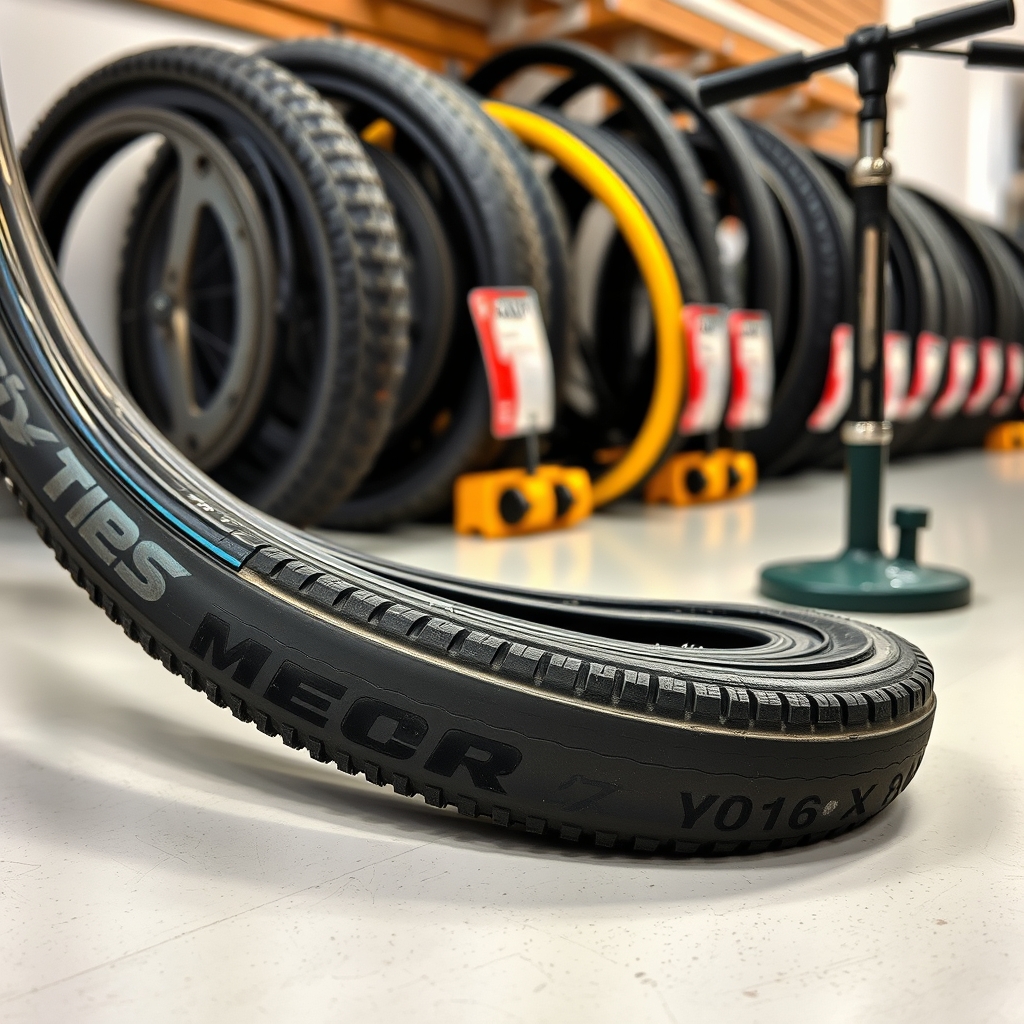
1. Classifying Bicycle Types Based on Tire Selection
Bicycle tires can be broadly categorized into three main types, and the best choice depends on your bike's intended use.
* Road Bike Tires: These are thin and tightly packed tires designed for maximum efficiency on paved roads. They typically range from 23mm to 28mm in width and prioritize speed and long distances over deep treads. Road bike tires are ideal for road cycling, especially for long rides or racing. * MTB (Mountain Bike) Tires: These are thicker tires with prominent treads, designed for off-road riding on trails and rough terrain. They typically have a width of 2.0 inches or more, providing excellent grip and stability on uneven surfaces. * Hybrid and City Bike Tires: These are mid-range tires, typically ranging from 28mm to 35mm in width. They offer a balance of performance on both paved roads and light gravel surfaces, providing a comfortable ride and decent durability.
Before choosing tires, it's crucial to clearly define the purpose for which your bike will be used. Using the wrong tires can reduce pedaling efficiency, increase the risk of punctures, and accelerate tire wear.
2. Tire Size and Color Selection Criteria
Tire size is typically indicated in two ways: millimeters (mm) and inches. For example, a 700x28c tire indicates a wheel with a diameter of 700mm and a tire width of 28mm. The "700c" designation refers to the wheel's circumference and is commonly used for road bikes and hybrid bikes. In contrast, "26-inch," "27.5-inch," and "29-inch" tires are primarily used for mountain bikes, with significant differences in riding feel and obstacle clearance.
When choosing tires, pay attention to compatibility with your wheels. For example, a 700c tire is not compatible with a 28-inch wheel. If the sizes don't match, you won't be able to mount the tire. Therefore, always check your bike's wheel size and choose tires that are specifically designed for it.
Tire width also plays a crucial role, depending on your riding environment and preferences. Wider tires are becoming increasingly popular for road bikes, offering improved comfort, durability, and better performance on light gravel surfaces. However, excessively wide tires can increase air resistance and reduce speed efficiency. Choose a tire width that is appropriate for your intended use.
3. Tire Material and Performance: Durability vs. Grip
Tires are typically composed of rubber compounds and cables (reinforcement). The combination of these two elements determines the tire's durability and grip performance.
* Durability refers to the lifespan of the tire's surface rubber. Higher durability means slower wear, but it may slightly reduce grip performance. * Grip performance is essential for safe riding, especially in wet or slightly muddy conditions. The tread pattern and rubber compound play a crucial role in preventing the tire from slipping.
Many hybrid tires now feature polyester coatings that balance durability and grip, making them ideal for long-term use. In contrast, racing tires often use lighter rubber compounds to maximize speed, sacrificing some durability. These are suitable for racing or long rides but may not be ideal for everyday urban riding.
Furthermore, the risk of flat tires is a concern. This can be caused by low tire pressure or damage to the cables. Regular checks and proper inflation are essential. Using tire sealant can reduce the risk of punctures by over 80%. This is a valuable addition to any cyclist's equipment.
4. Tire Replacement Timing and Maintenance Tips
On average, bicycle tires need to be replaced every 1,500 to 3,000 kilometers. However, this can vary significantly depending on your riding environment and style. For example, riding on gravel or mountain trails will wear down tires more quickly than riding on paved roads.
When replacing tires, the first thing to check is the tread wear. If the tread is almost flat or if there are cracks on the surface, it's time to replace the tire. Also, check for any damage or bulges on the tire sidewall, as this could indicate damage to the internal cables.
Proper tire pressure maintenance is also crucial. Tire pressure affects riding comfort, pedaling efficiency, and the risk of punctures. A general guideline is 70-90 psi (pounds per square inch). However, this can vary depending on the wheel and tire combination. Always check the manufacturer's recommendations. It's also a good idea to increase tire pressure slightly when riding a heavy bike or on steep inclines.
Finally, keep your tires clean and store them properly. Tires are exposed to dirt, debris, and other contaminants. Clean them regularly with a damp cloth and store them away from direct sunlight and heat. This can extend the lifespan of your tires by over 30%.
Bicycle tires are more than just a component; they play a crucial role in the overall riding experience. Choosing the right tires and maintaining them properly will make your rides safer, more enjoyable, and longer-lasting.
Popular posts
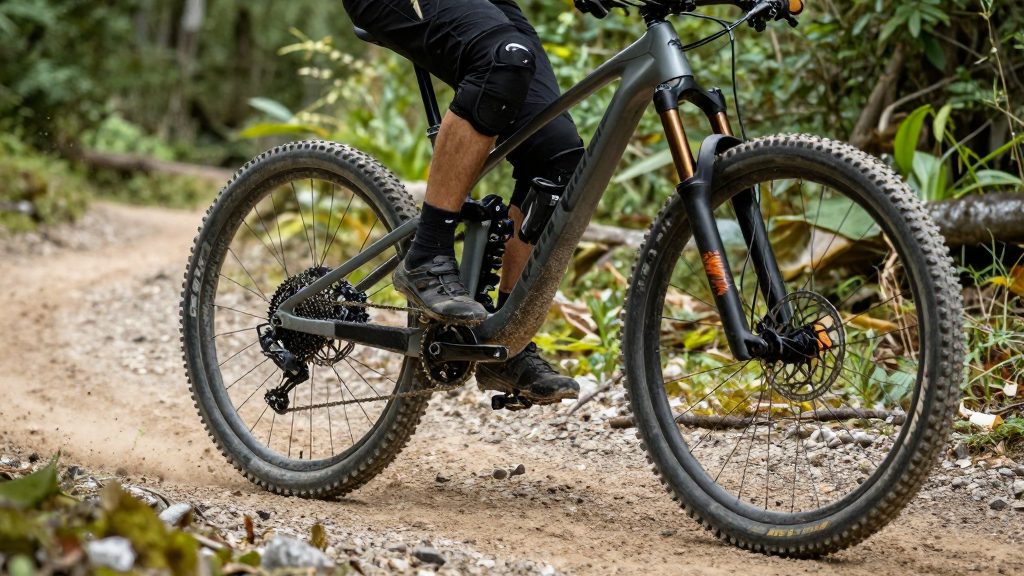
Guide to Choosing a Bicycle Brake System: Optimization Based on Performance, Maintenance, and Riding Conditions.
Choosing the right bicycle pump: What type is best for your bike?
Comments 0