Guide to Choosing a Bicycle Brake System: Optimization Based on Performance, Maintenance, and Riding Conditions.
Key — Bicycle brakes are a crucial element of safety, and the braking power and responsiveness during riding can vary significantly depending on the type of brake system chosen. The type of bicycle (road bike, mountain bike, city bike, etc.) and the riding environment are key factors to consider.
Bicycle brakes are a crucial safety component, and the braking power and responsiveness of your bike can vary significantly depending on the brake system you choose. The type of bicycle (road, mountain, city bike, etc.) and the riding environment will influence the performance standards and maintenance requirements of your brakes. Choosing the right brake system can reduce the risk of accidents and improve riding efficiency.
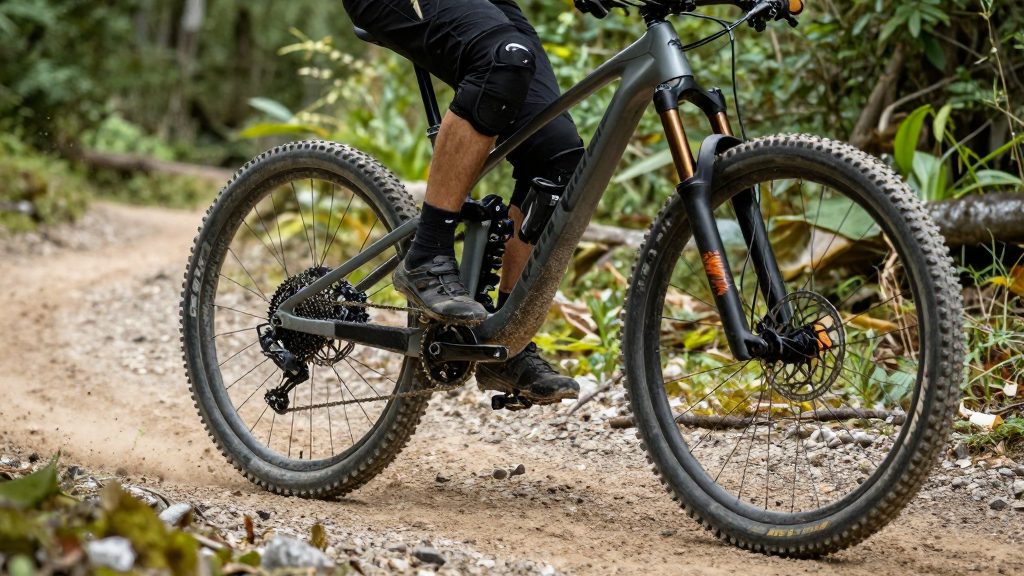
1. Comparison of Key Features of Different Brake Types
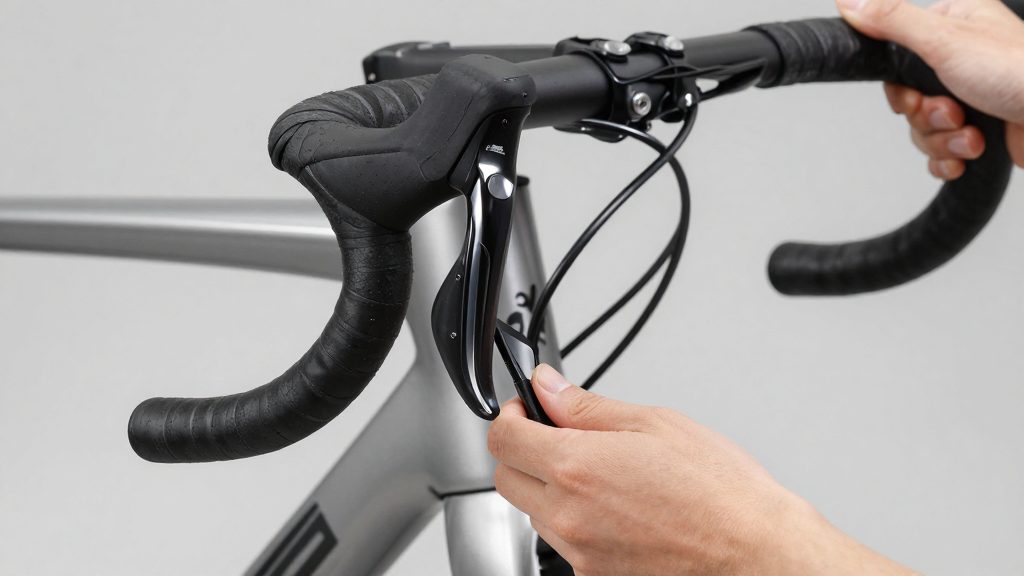
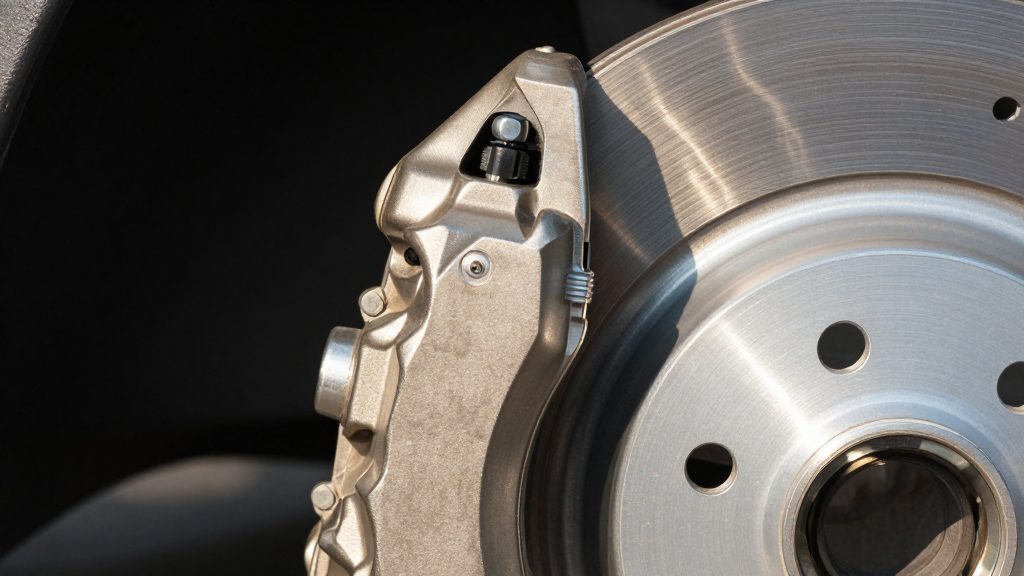
- Disc Brakes: These brakes are resistant to water and dust, providing consistent braking power in various weather conditions. They perform particularly well in wet or mountainous terrain. Disc brakes come in two main types: mechanical (operated manually) and electric (powered by electricity). Mechanical brakes are lighter and easier to maintain, but may require more effort to modulate. Electric brakes offer precise braking control but are more complex due to the inclusion of a battery and electronic controller.
- Rim Brakes: Commonly used on road bikes, rim brakes offer good performance and excellent stopping power at higher speeds. However, their effectiveness can be reduced on slippery surfaces. In particular, braking power can decrease significantly when riding on wet or damp roads.
- Caliper Brakes: A type of mechanical brake, caliper brakes have a sleek appearance and offer smooth braking. However, the internal friction material wears out quickly, resulting in a shorter lifespan and potentially complex adjustments. The brake pins are also prone to bending upon impact, which can increase repair costs and time.
2. Brake Performance Standards Based on Riding Environment
- Road Riding (urban or long distance): Braking responsiveness and precise braking control are paramount. For road bikes, disc brakes (especially mechanical) offer stability in most situations. It is recommended to inspect the brake pads after approximately 300km of riding, as wear can affect performance over long distances.
- Mountain or Off-Road Riding: Consistent braking power and water resistance are essential. In wet or gravelly conditions, disc brakes offer 20-30% better braking power than rim brakes, which can help reduce the risk of accidents on slippery terrain.
- Urban Riding (near subway stations, intersections): Braking responsiveness and ease of operation are crucial. In environments with frequent starts and stops, mechanical disc brakes are suitable. Regular cleaning of the calipers and replacement of brake pads are necessary.
- Long-Distance Climbing or Trail Riding: Braking durability and heat resistance are required. If the brakes overheat during high-speed descents, their effectiveness will be reduced. Therefore, high-performance mechanical disc brakes or electric brakes should be prioritized.
3. Maintenance Frequency and Checkpoints
- Inspect brake pads every 500-800km. Replace them if the wear indicator line is less than 1mm. (If the brake pads are too thin, it can cause cracks in the calipers or damage to the disc.)
- The disc of disc brakes should be free of cracks or bends. Avoid touching the disc directly with your hands after riding, as it will be hot. After cooling down, check for rust or oil stains.
- The tension of the brake cable (for mechanical brakes) needs to be adjusted periodically. If air or contaminants enter the cable, it can slow down the braking response. Regular replacement or bleeding of the cable is essential.
- If you hear any unusual noises (squealing, grinding) when braking, inspect the brakes immediately. This could indicate uneven wear of the brake pads, contamination of the disc, or a problem with the caliper position.
4. Balancing Preference and Performance — User Selection Criteria
- Beginners are recommended to use mechanical disc brakes. They are intuitive to operate, easy to inspect and repair, and offer excellent performance for the price.
- Experienced or high-performance riders may consider electric disc brakes, but should pay attention to battery consumption and the reliability of the electronic components.
- Urban riders may prefer mechanical disc brakes for their water resistance and low maintenance requirements.
- If your bicycle is stored in a humid environment or left in the garage for extended periods, check the brake pads and disc every two months to prevent corrosion.
Summary at a Glance
- Key criteria for choosing a brake type: Riding environment (off-road/road), durability, ease of maintenance.
- Mechanical disc brakes are optimized for urban and long-distance riding, with lower repair costs and time.
- Brake pad replacement schedule: Inspect every 500-800km, replace if the wear indicator line is less than 1mm.
- Regular inspection items: Brake pad wear, disc bends/cracks, brake cable tension.
Brakes are like the 'heart' of your bicycle, and your choice directly affects riding safety. By considering your riding style and environment, along with the technical specifications and maintenance requirements, you can find the most suitable brake system for your needs.
Related posts
Technology and equipment.
Choosing the right bicycle pump: What type is best for your bike?
Technology and equipment.
Bike Brake Systems: Disc Brakes vs. Caliper Brakes, Which is Better?
🚲Allbike.
Technology and equipment.
Bike Pump Selection Guide: 6 Key Considerations.
Technology and equipment.
Cycling Helmet Selection Guide: 5 Key Criteria for Balancing Safety and Comfort.
Popular posts
Technology and equipment.
Choosing the right bicycle pump: What type is best for your bike?
Technology and equipment.
Bike Brake Systems: Disc Brakes vs. Caliper Brakes, Which is Better?
🚲Allbike.
Technology and equipment.
Bike Pump Selection Guide: 6 Key Considerations.

tech
Comments 0