Finding the right road bike is less about picking a color an
Finding the right road bike is less about picking a color and more about matching a machine to your specific rhythm on the pavement.
Buying your first road bike can feel like stepping into a high-tech showroom where every spec seems critical. To get it right, you need to identify if you want to conquer steep hills, fly down flat stretches, or simply cruise comfortably for hours without back pain.
* Identify Your Style: Choose between Endurance (comfort), Aero (speed), or Climbing (lightweight) geometries. * Material Matters: Aluminum offers great value for beginners, while Carbon Fiber provides superior vibration dampening and weight savings. * Prioritize the Groupset: Aim for reliable mid-tier components like Shimano 105 to ensure smooth shifting and longevity. * Fit is Everything: A bike that is technically "correct" in size but poorly fitted to your body will cause injury.
Which road bike type actually fits my riding style?
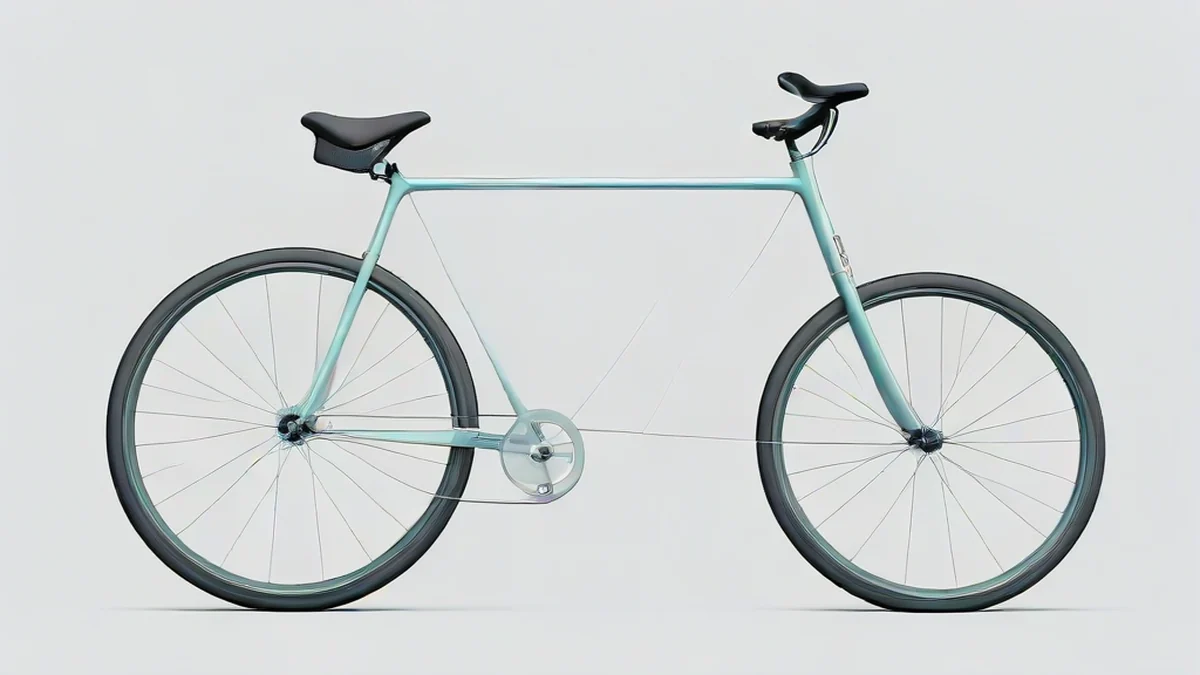
Road bikes aren't a one-size-fits-all category; they are engineered with specific "geometries" meant for different goals. First, Endurance models are the go-to for most recreational riders. They feature a higher "stack" (the vertical distance from the bottom bracket to the top of the head tube) and a shorter "reach," which keeps your torso more upright and reduces strain on your neck and lower back.
Next, Aero bikes are built like fighter jets. They use deep-section frame shapes to slice through wind resistance, making them perfect for flat-out speed on paved roads. Finally, Climbing bikes focus almost entirely on weight reduction. These frames are stripped down to be as light as possible to help you fight gravity on steep inclines.
I learned this the hard way during my first 60-mile charity ride last summer. I had splurged on a pure aero bike because it looked fast, but by mile 45, my lower back was screaming from the aggressive, leaned-forward position. Switching to an endurance-geometry bike for my next long trek made a night-and-day difference in how much fun I actually had.
How do frame materials like carbon and aluminum compare?
The frame is the soul of your bike, and your choice usually comes down to Aluminum or Carbon Fiber. Aluminum is the industry standard for entry-level bikes because it is durable, stiff, and cost-effective. Modern manufacturing has improved so much that high-end aluminum frames can feel surprisingly snappy.
Carbon Fiber, on the other hand, is a composite material that allows engineers to manipulate stiffness. According to a Statista 2023 report on the global bicycle market, the adoption of high-performance carbon frames continues to rise as riders prioritize weight-to-stiffness ratios. Carbon can be engineered to be stiff where you pedal (the bottom bracket) but compliant where you sit (the seat stays) to soak up road buzz.
However, there is a trade-off. While "light is fast," it isn't always better for everyone. If you live in an area with potholed streets or rough chip-seal roads, a slightly heavier endurance frame with better vibration damping might actually be more efficient than a featherweight climbing bike that vibrates your teeth loose.
What should I look for in a drivetrain and groupset?
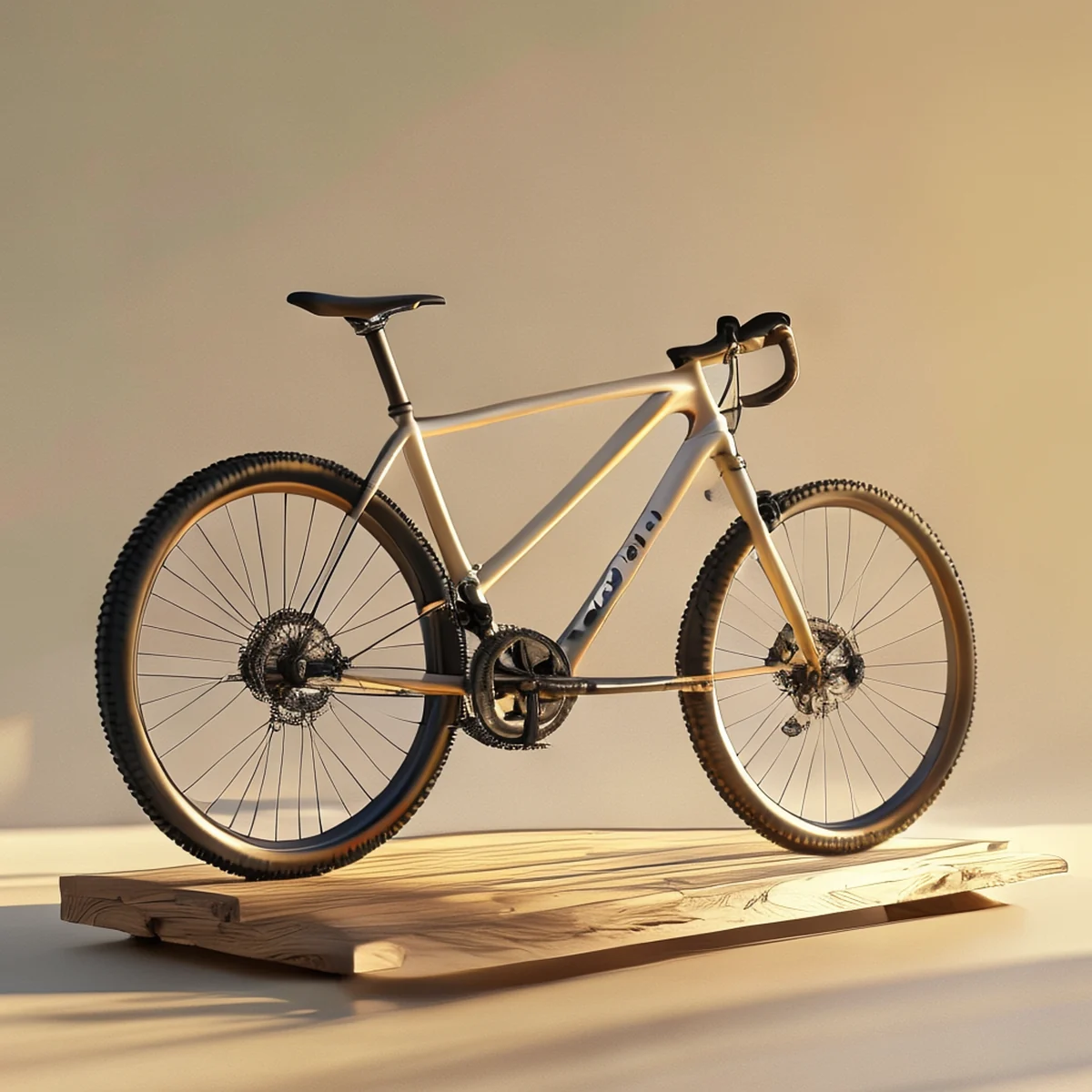
The "groupset" is the collection of parts that makes you move: your shifters, derailleurs, chain, and crankset. The market is dominated by three giants: Shimano, SRAM, and Campagnolo. For most people starting out, Shimano is the gold standard due to its massive service network and intuitive shifting.
| Groupset Tier | Key Characteristics | Best For |
|---|---|---|
| Mid-Range (e.g., Shimano 105) | Reliable, durable, excellent bang-for-your-buck | Beginners & Enthusiasts |
| High-End (e.g., Ultegra) | Lightweight, precise, high-performance | Serious Club Riders |
| Professional (e.g., Dura-Ace/SRAM Red) | Cutting-edge tech, ultra-lightweight | Racers & Pros |
We are also seeing a massive shift toward Electronic Shifting (like Shimano Di2). While it costs more upfront, the shifts are perfectly precise every single time. As technical standards evolve under the guidance of organizations like the UCI (Union Cycliste Internationale), electronic systems are becoming increasingly reliable and common even in mid-tier setups.
Why is professional bike fitting more important than frame size?
A common mistake I see at local bike shops is riders choosing a bike based solely on their height. "I'm 5'10", so I need a 54cm frame" is a dangerous oversimplification. A bike might be the right "size," but if the reach is too long for your arm length or the saddle height is off by even a few millimeters, you are looking at knee pain or numbness.
Professional fitting involves adjusting the Stack and Reach to match your flexibility and limb proportions. When I first started, I bought a frame that was technically my size but felt like I was stretching a rubber band to reach the bars. It took a professional adjustment of my saddle angle and stem length to stop the shoulder fatigue. Don't skip this step; it is an investment in your physical health.
What are the essential safety and maintenance checks?
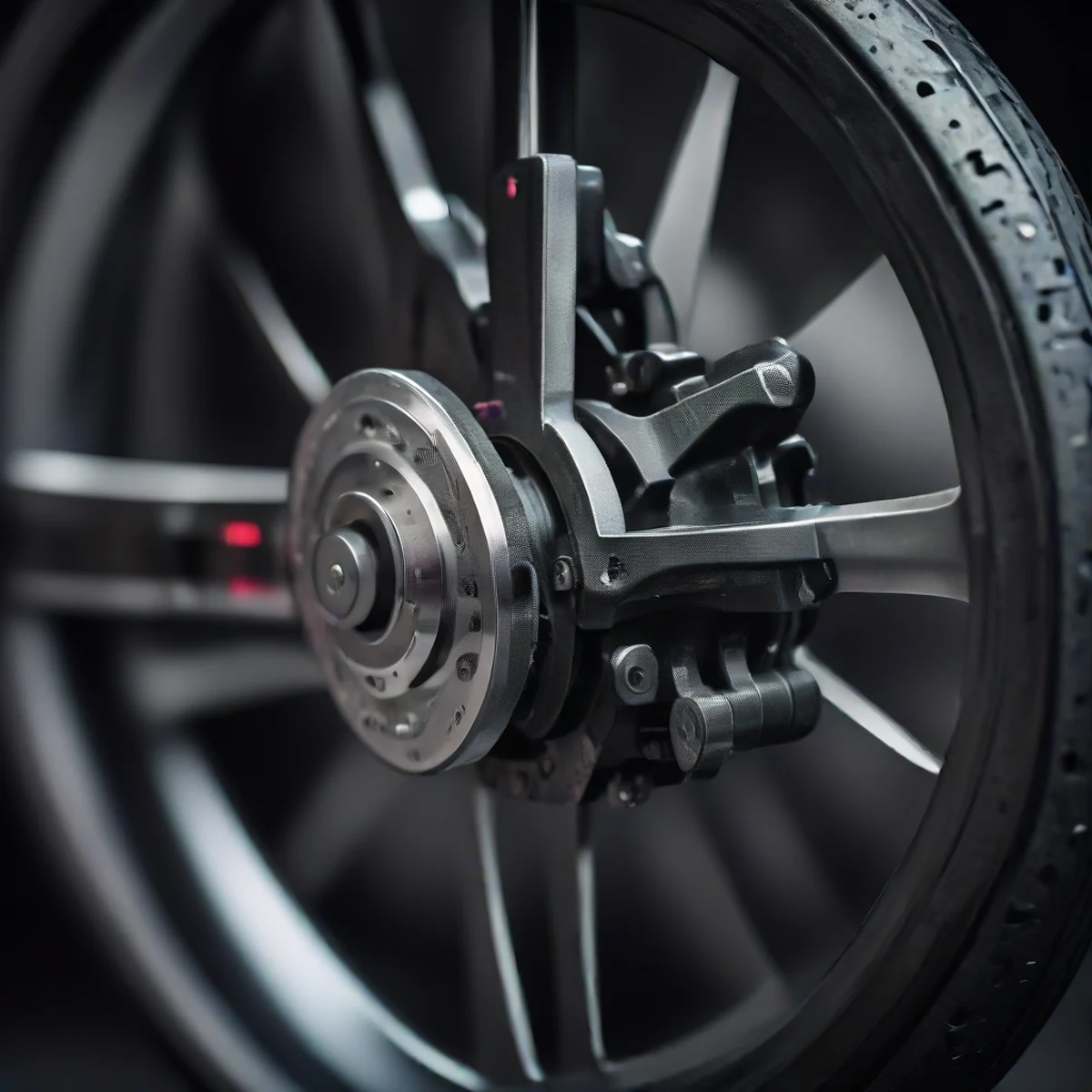
Getting the bike is just the beginning. You need to budget for the "hidden" costs: a high-quality helmet, lights, and tools. Since road bikes have much thinner tires and higher speeds than mountain bikes, braking performance is critical. I highly recommend looking for models equipped with hydraulic disc brakes—they offer much more control in wet or descending conditions.
Maintenance shouldn't be intimidating, but it must be consistent. Check your tire pressure before every ride and keep your chain lubricated. Data from Cycling News in 2023 suggests that riders who perform regular mechanical inspections have significantly lower accident rates. A clean bike isn't just about aesthetics; it’s about ensuring your components don't fail when you're halfway up a mountain pass.
FAQ
Q: What is the best type of road bike for a total beginner? A: Unless you are specifically training for a criterium race or mountain climbs, go with an Endurance bike. They offer the most forgiving geometry and are much more comfortable for learning the ropes.
Q: Is it worth spending extra on a carbon frame right away? A: Not necessarily. If you are on a budget, a high-quality aluminum frame paired with a better groupset (like Shimano 105) will often give you a better riding experience than a cheap, low-quality carbon frame.
Q: Should I get electronic or mechanical shifting? A: If your budget allows, electronic is fantastic for its precision and ease of use. However, mechanical shifting is perfectly adequate for beginners and is much easier to repair on the side of the road if something goes wrong.
Q: How do I know if my bike fits correctly? A: If you feel sharp pain in your knees, lower back, or neck after 30 minutes of riding, something is wrong. The best way to be sure is to visit a local specialist for a professional fit rather than relying on a size chart.
Don't let the technical jargon intimidate you. The goal of a road bike is to get you out into the world and feeling the wind on your face. Head down to your local bike shop, sit on a few different styles, and find the one that makes you want to ride for miles. Your first real adventure is just one pedal stroke away!
Related posts
Popular posts
Bike Brake Systems: Disc Brakes vs. Caliper Brakes, Which is Better?
Bike Pump Selection Guide: 6 Key Considerations.
Bike Tire Selection Guide: Criteria for Choosing and Maintenance Tips.

Comments 0