Choosing Your First Bike: A Guide for Beginners.
<!--img--> 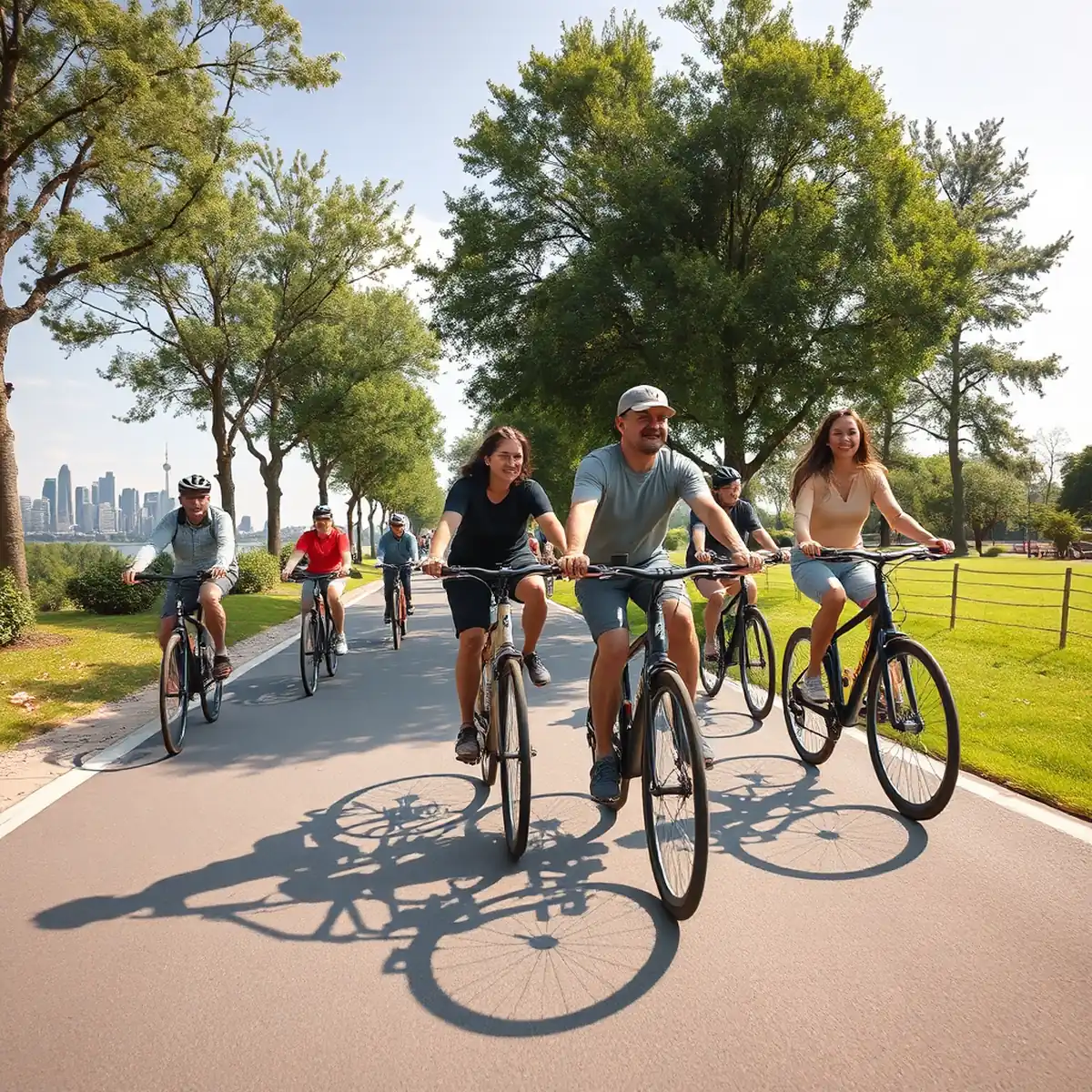
Are you overwhelmed by the sheer number of bicycle types available and unsure where to start? The key is surprisingly simple: determine your purpose. Once you know what you're using the bike for, choosing the right one becomes much easier. A good bicycle is not necessarily an expensive one; it's a bike that suits your needs.
Choosing a Bike Based on Your Needs
- Commuting & Everyday Use: A lightweight and comfortable "hybrid" or "mini-velo" is a good choice.
- Exercise & Speed: If you want fast riding and long distances, a "road" bike is ideal.
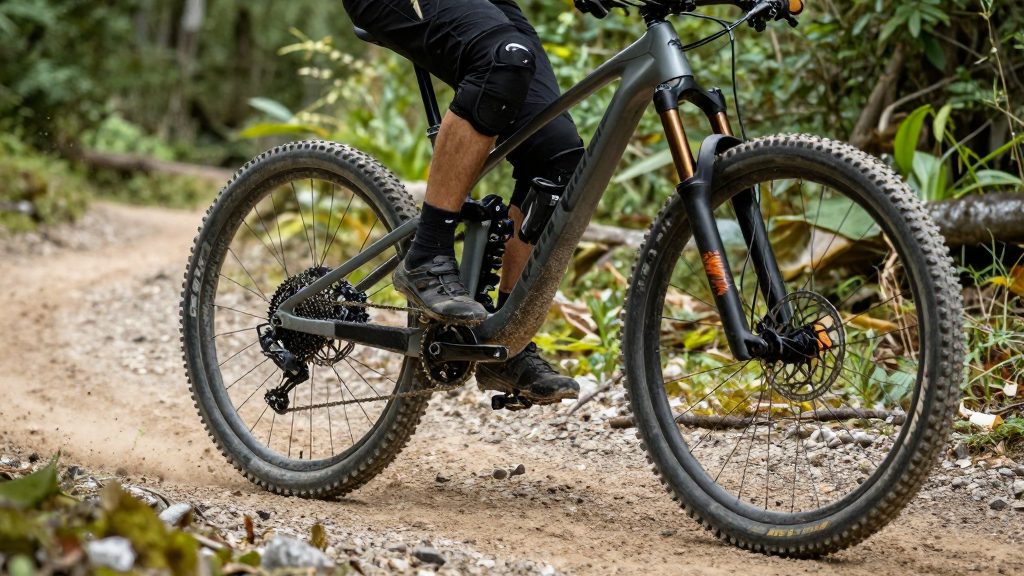
- Leisure & Off-Road: If you enjoy mountain trails and rough terrain, an "MTB" (mountain bike) is the way to go.
- Electric Bikes: A great alternative if you live in a hilly area or want to reduce physical exertion.
You don't need to buy an expensive model right away. Start with a beginner-friendly bike that suits your purpose, and then upgrade later if needed.
Choosing the Right Size for Your Body
It's crucial to choose a bicycle size that matches your height and body type. A frame that is too large or too small will be uncomfortable to ride and can lead to fatigue.
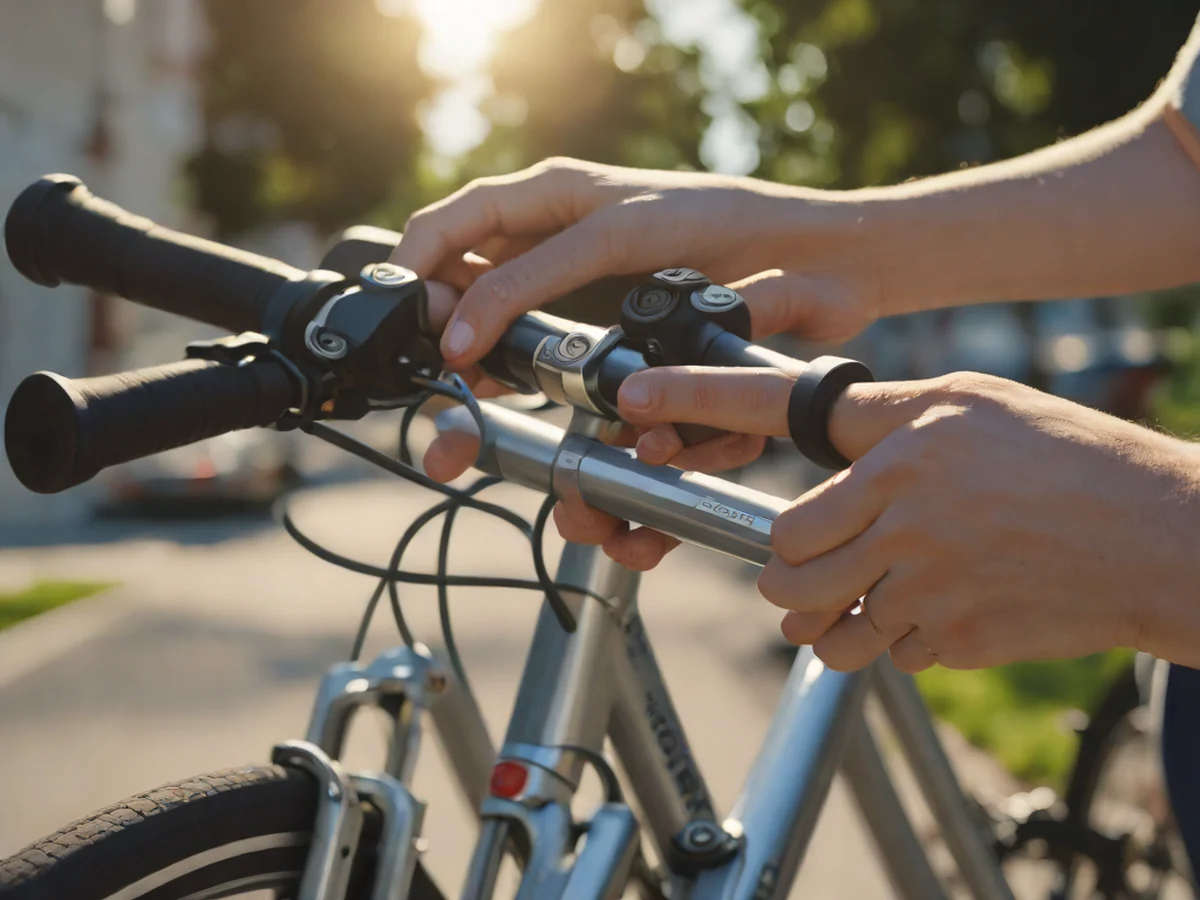
- Saddle Height: When the pedals are at their lowest point, your knee should be slightly bent.
- Test Ride: If possible, try out the bike and make sure the riding position is comfortable.
- Weight: If you frequently carry the bike up stairs or store it indoors, consider its weight.
Safety and Maintenance are Essential
- Safety Gear: A helmet and front/rear lights are not optional; they are essential.
- Basic Maintenance: Learning to check tire pressure and maintain the chain can significantly reduce breakdowns and accidents.
- Traffic Rules: Just like any vehicle, bicycles must follow traffic rules to ensure safety.
Useful Accessories for Beginners
- Gloves & Padded Cycling Shorts: These reduce fatigue in your hands and buttocks, making riding more comfortable.
- Portable Pump & Spare Tube: Be prepared for flat tires so you don't have to panic on the road.
- Water Bottle & Cage: Staying hydrated is more important than you might think during a ride.
- Lock: Even when you're only stopping for a moment, use a lock to prevent theft.
The Joy of Riding Regularly
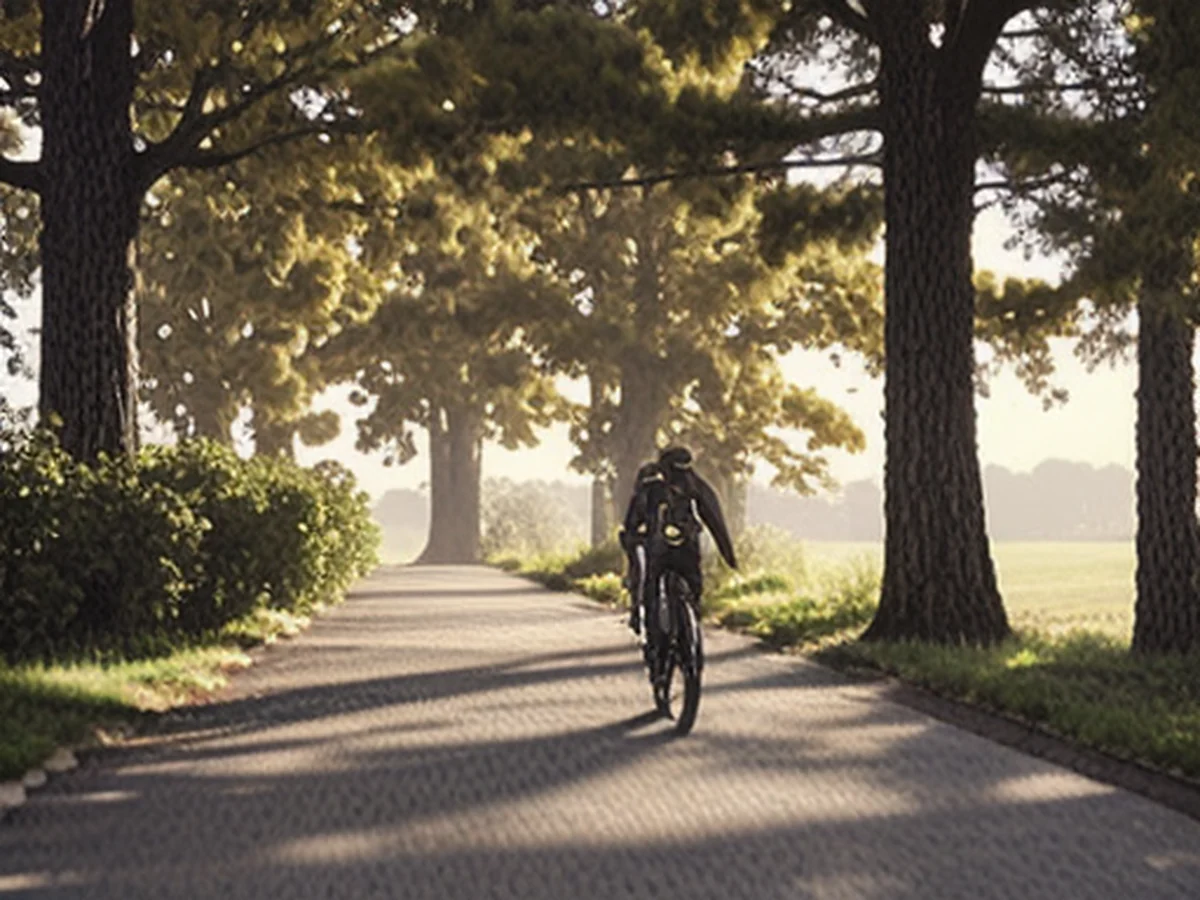
Biking is not only exercise and a mode of transportation; it's also a hobby. By gradually increasing your distance without overexerting yourself, you're building both fitness and enjoyment. Start with shorter routes to get comfortable, then gradually expand your range. Even a ride along a nearby riverbank or through a park on a nice day can be incredibly rewarding. Instead of trying to tackle long distances right away, develop the habit of enjoying biking at your own pace. This will make it a lasting and enjoyable part of your life.
"Safety habits are more important than expensive equipment" when it comes to cycling.
Allbike provides reviews of bicycles and motorcycles, as well as information on riding routes, accessories, and maintenance.
<!--enr--> ## Quick Comparison
| Category | Item A (Commuting & Daily Use) | Item B (Racing & Speed Use) |
|---|---|---|
| Purpose | Daily commuting, short-distance travel | Long-distance fast riding, sports-oriented use |
| Type | Hybrid bike, mini-bike | Road bike |
| Weight & Convenience | Lightweight, easy to walk with and store indoors | Light frame design, high riding efficiency |
| Key Considerations | Comfortable riding posture, convenient indoor storage | Minimal aerodynamic resistance, stable high-speed performance |
Frequently Asked Questions (FAQ)
Q1. I'm buying a bicycle for the first time—what type is best? If you're using it for commuting or everyday purposes, a lightweight and comfortable hybrid bike or mini-bike would be ideal. Choosing an entry-level model suited to your intended use is more important than price—fit and suitability matter most.
Q2. How do I choose the right bicycle size? Frame size should be based on your height and leg length. The saddle height should allow a slight bend in the knee when the pedal is at its lowest point. Whenever possible, test ride the bike to ensure a comfortable riding posture.
Q3. What safety gear should I always have before riding? A helmet and front-and-rear lights are essential. Additionally, checking tire pressure and maintaining the chain are crucial for preventing accidents.
Q4. What essential items do I need as a first-time cyclist? Gloves and padded shorts help reduce fatigue. Carry a portable pump and spare tube to handle flat tires. A water bottle with a holder is also recommended for hydration and convenience during rides.
Popular posts
Guide to Choosing a Bicycle Brake System: Optimization Based on Performance, Maintenance
Choosing the right bicycle pump: What type is best for your bike?
Comments 0